Why Pairing Changes the Economics
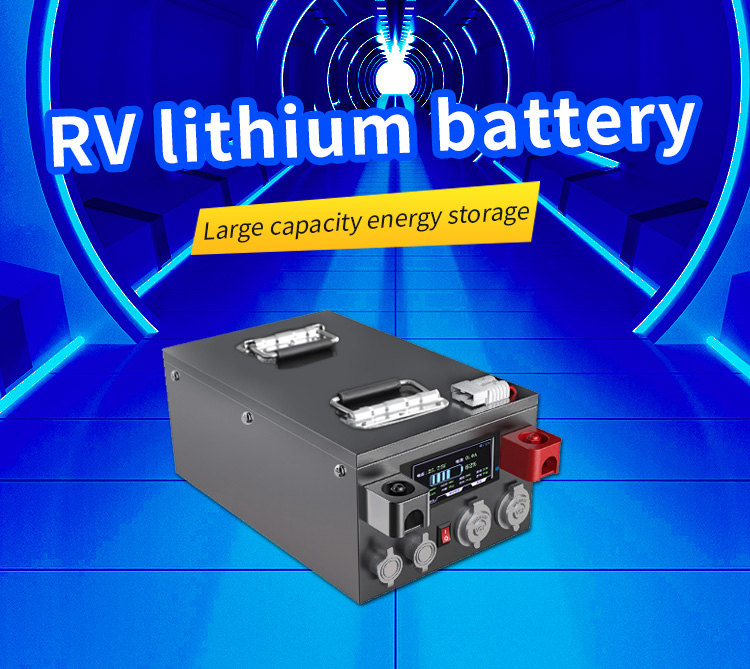
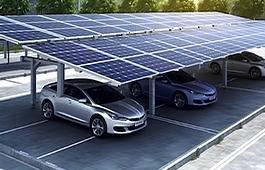
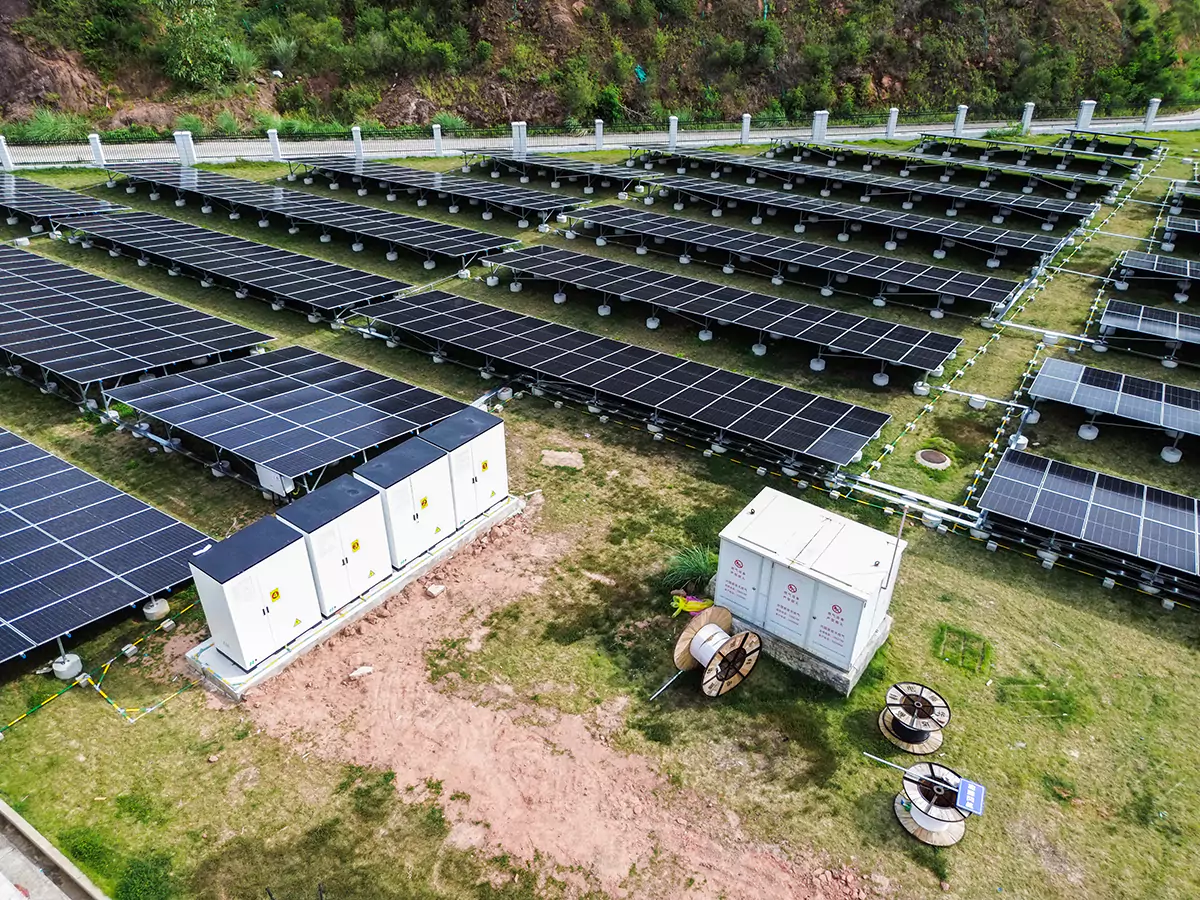
Solar panels paired with battery storage turn an intermittent source into a dispatchable one. Excess midday generation charges the battery instead of being curtailed or exported at low value. Stored energy then covers evening peaks and cloudy spells, when the array alone cannot meet load. This shift from “generate when the sun shines” to “deliver when the load calls” is the core value proposition, and it changes how the whole system should be sized.
Sizing Follows the Load, Not the Array
Battery sizing depends on the load profile rather than the panel count. A system sized for evening peak shaving differs from one built for outage backup. Getting this match wrong wastes capacity in one season and falls short in another. Designers who start from the panel wattage and work backward often end up with a battery that is either too small to shift meaningful energy or too large for the load it serves.
Efficiency Losses Shape the Payback Math
Round-trip efficiency losses shape the economics more than headline capacity suggests. Every charge-discharge cycle skims off a fraction of the energy, and the loss compounds across daily operation. Designers who ignore this gap tend to overstate savings in their payback models. A system quoted at 90 percent round-trip efficiency loses a tenth of every stored kilowatt-hour before it reaches the load, and over a decade of daily cycling that fraction becomes a material line item.
Thermal Management Determines Longevity
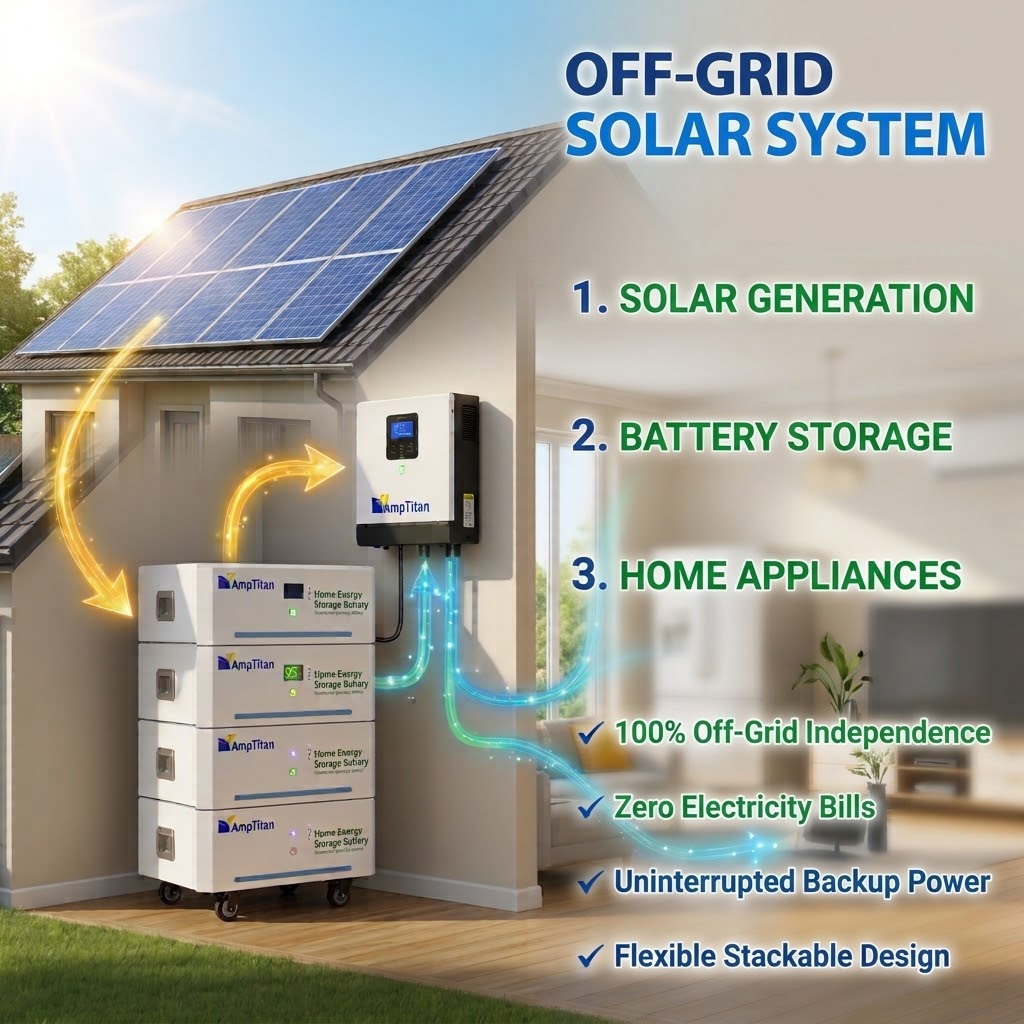
Thermal management keeps the storage side honest over a decade of cycling. Heat degrades cells faster than calendar age, so cooling strategy matters as much as cell chemistry. A well-cooled pack with average cells often outlasts a hot-running premium pack. In climates with high summer temperatures, the cooling design can matter more to lifetime cost than the choice between cell suppliers.
Tariff Structures Decide What Value Is Capturable
Grid interaction rules decide how much value the pairing can actually capture. Time-of-use tariffs reward shifting, while demand charges reward clipping peaks. Systems configured for one incentive may leave money on the table under another. Before sizing the battery, it pays to read the tariff carefully and understand which revenue stream the system is actually built to serve.
Maintenance Budgets Differ Between the Two Halves
Maintenance expectations differ sharply between the two halves. Panels need occasional cleaning and little else, while batteries demand monitoring, firmware updates, and eventual replacement. Owners who budget only for the array underestimate lifetime costs. The battery is the component that will need attention first, and planning for that from the start avoids unpleasant surprises in year five.
Design for the Year, Not the Week
Weather patterns over a full year, not a sunny week, should drive the design. Seasonal gaps between generation and demand reveal whether storage is a nice addition or a structural necessity. A system that looks oversized in June may prove barely adequate in December, and the annual profile is the only honest basis for judging whether the pairing pays off.