The Basic Idea Behind Solar Panels
Solar panels capture energy from sunlight and turn it into electricity. They do this without moving parts, without fuel, and without creating pollution. This simple concept has made them one of the most important technologies for clean energy production today.
Each panel is made up of many smaller units called solar cells. These cells contain layers of a special material, usually silicon, that responds to light. When sunlight hits a cell, it creates an electrical charge that can be collected and used.
How a Solar Panel Generates Power
Sunlight is made of tiny particles of energy called photons. When these photons strike a solar cell, they knock electrons loose from their atoms. The cell is designed with an electric field that pushes these freed electrons in one direction, creating a flow of electricity.
This electricity leaves the panel as direct current. Most homes and businesses use alternating current, so an inverter changes the power from DC to AC. Once converted, the electricity flows into the building’s electrical system and powers lights, appliances, and equipment.
Different Kinds of Solar Panels
Monocrystalline panels are easy to spot by their dark, uniform color. They are made from a single crystal of silicon and offer the highest efficiency among commercial options. These panels work well in limited spaces and last for decades.
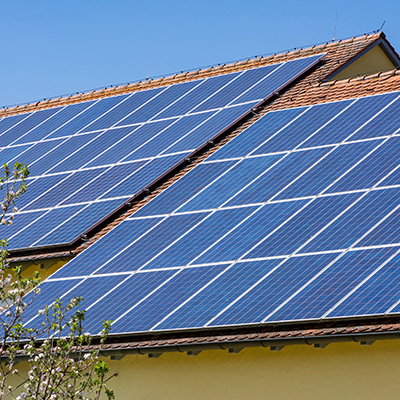
Polycrystalline panels have a blue, speckled appearance and cost less to produce. Their efficiency is slightly lower, but they offer good value for larger installations where space is not a constraint.
Thin-film panels take a completely different manufacturing approach. Layers of photovoltaic material are deposited onto glass or flexible surfaces. They are lighter and more adaptable than rigid panels, though they require more surface area to produce the same amount of power.
Where Solar Panels Make Sense
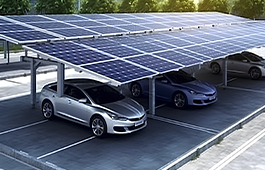
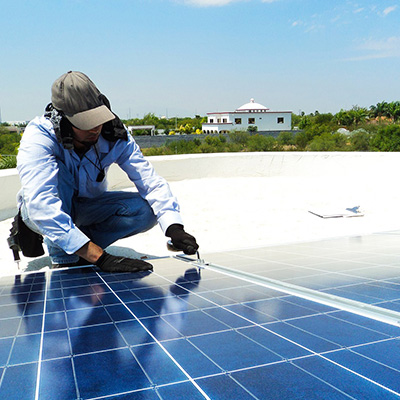
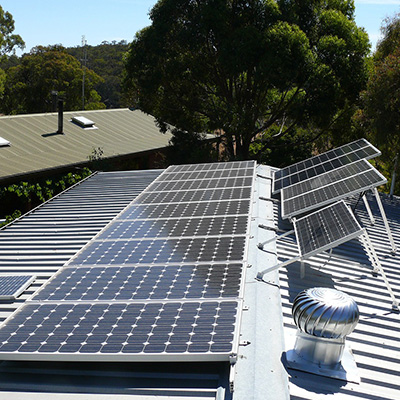
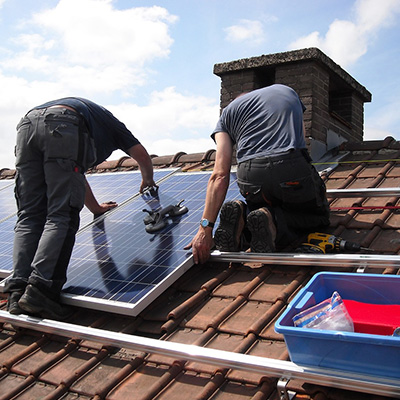
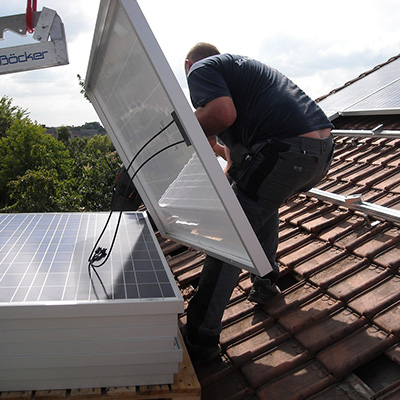
Rooftop installations are the most familiar sight in residential areas. Homeowners place panels on their roofs to offset electricity bills and reduce their carbon footprint. These systems can power everything from lights to air conditioning during sunny hours.
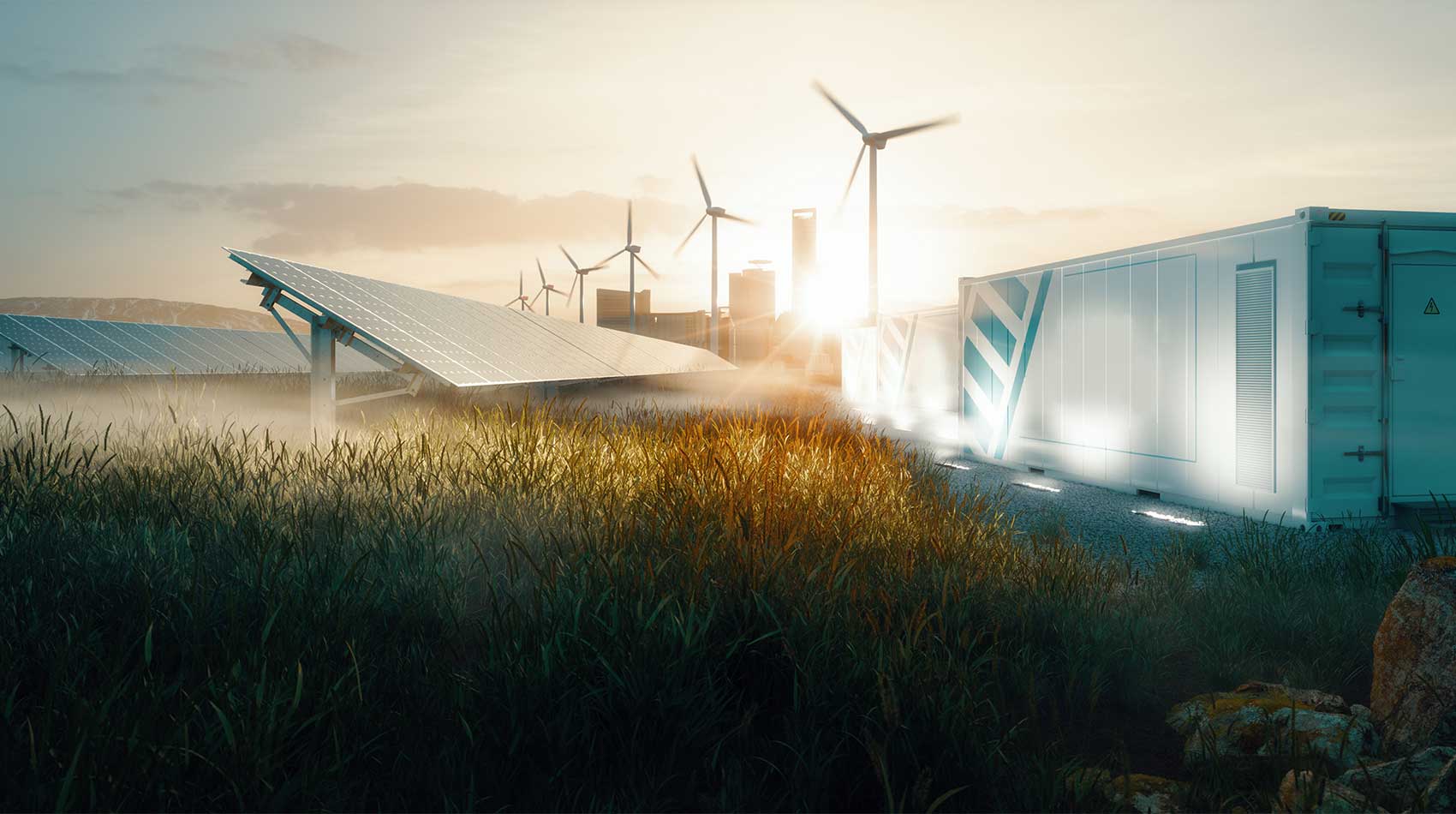
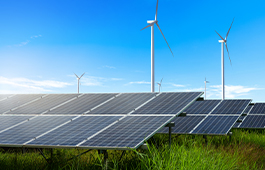
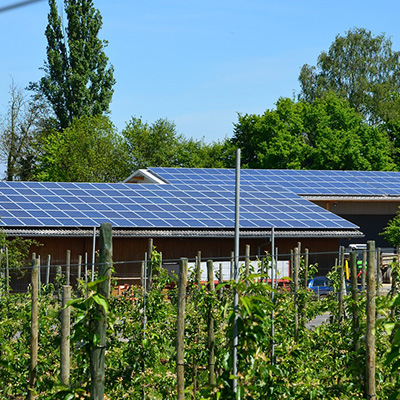
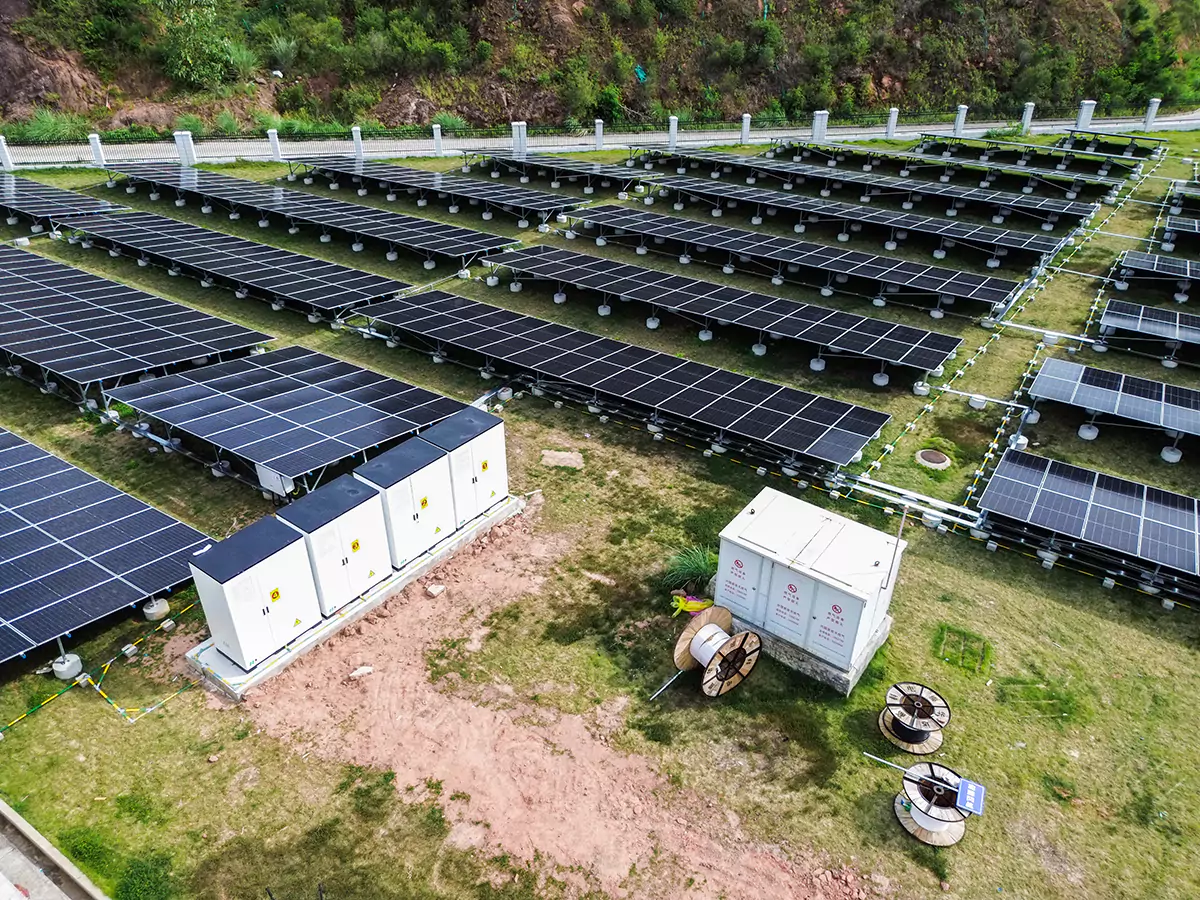
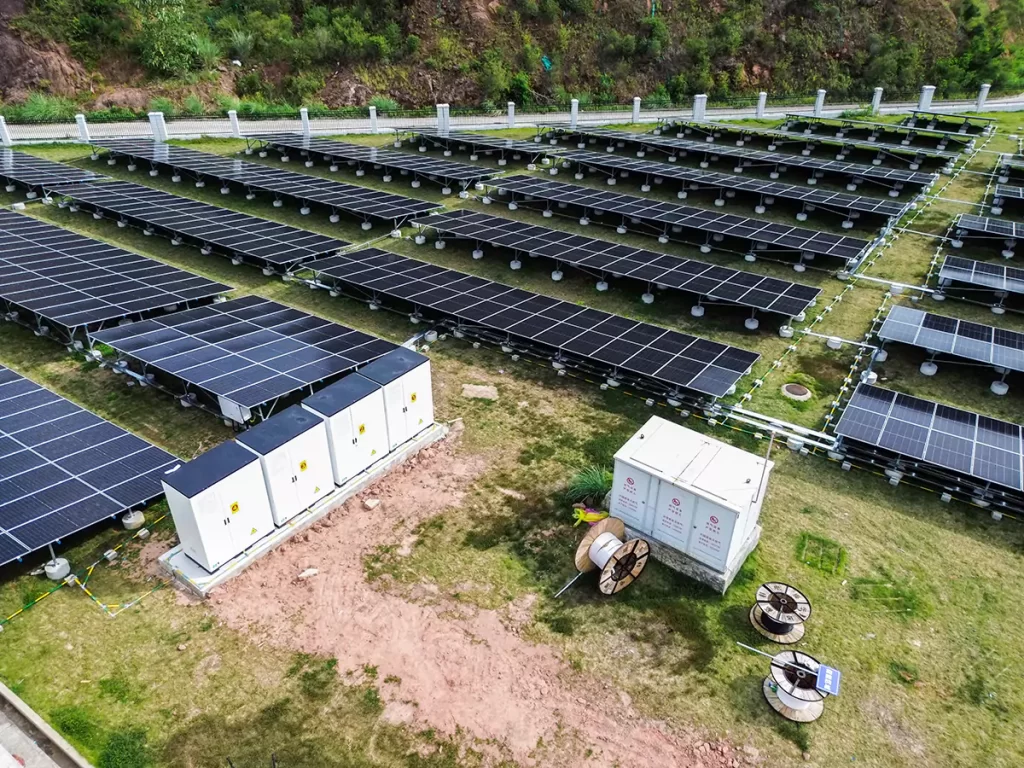
Ground-mounted arrays are common in open fields and rural areas. Large-scale solar farms cover acres of land and feed power directly into the electrical grid. Some installations include tracking systems that follow the sun’s path, increasing energy capture.
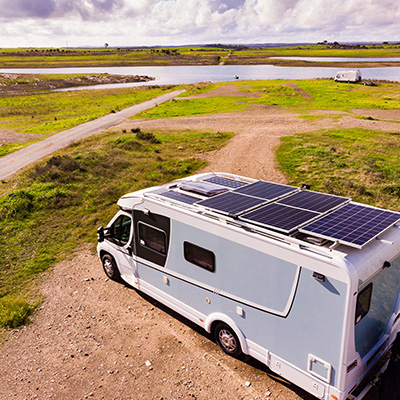
Solar panels also serve remote locations where grid connection is unavailable. They power communication towers, water pumps, and off-grid homes. In these situations, panels are often paired with batteries to provide electricity around the clock.
What Affects Solar Panel Performance
Sunlight intensity is the most obvious factor. Panels produce more power on bright, clear days and less on cloudy ones. Their output also drops in the early morning and late afternoon when the sun sits low in the sky.
Temperature affects performance as well, and the relationship is not always intuitive. Solar panels actually become less efficient as they heat up. Hot summer days may bring abundant sunlight, but the heat can reduce output by a small amount.
Shading is another important consideration. Even partial shade from a tree branch or chimney can significantly reduce the output of a whole panel. A clean, unobstructed surface is essential for getting the most out of any installation.
How Much Power Can Solar Panels Produce
The power output of a solar panel depends on its size, efficiency, and the amount of sunlight it receives. A standard residential panel might produce between 300 and 500 watts in full sun. An average home installation might include 20 to 30 panels.
The location of the installation matters greatly for total energy generation. A home in sunny Arizona will produce more electricity than one in cloudy Seattle, even with identical equipment. Seasonal changes also affect output, with longer summer days providing more hours of productive sunlight.
System owners can expect their panels to generate the most electricity around midday when the sun is highest. This pattern aligns well with daytime electricity demand in many regions, which is a useful feature of solar energy.
The Lifespan and Durability of Solar Panels
Solar panels are built to withstand outdoor conditions for decades. They face rain, snow, wind, and extreme temperatures without losing their basic functionality. The glass front is designed to resist impacts and wear.
Most manufacturers warrant their panels for 25 to 30 years of operation. This guarantee typically covers at least 80 percent of the original power output. Panels do not suddenly stop working at the end of this period; they continue to generate electricity at a reduced rate.
The long lifespan of solar panels makes them a durable investment. The energy they generate over 30 years far outweighs the energy used to produce them. This favorable energy balance is one of the strongest arguments for adopting solar technology.
Solar Panels and Clean Energy Goals
Solar panels produce electricity without burning fuel. They release no carbon dioxide, sulfur dioxide, or nitrogen oxides into the air. This clean operation helps reduce air pollution and slows the pace of climate change.
The growing number of solar installations worldwide is contributing to a cleaner energy mix. Countries with abundant sunlight are increasingly turning to solar power as a reliable source of electricity. The falling cost of panels has made this transition more affordable than ever before.
Solar energy also reduces dependence on imported fuels. Countries can tap into their own sunlight resources and improve their energy security. This local production keeps energy money within the national economy.
Common Misconceptions About Solar Panels
One common belief is that solar panels only work in hot climates. In fact, they function well in cold, sunny conditions and can even produce power on cloudy days. Germany, a country not known for tropical weather, has been a global leader in solar installations.
Another misconception is that solar panels require constant maintenance and frequent cleaning. Rain usually keeps the surface clear enough for normal operation. Dust and debris may reduce output in some areas, but occasional rinsing with water is generally sufficient.
Some people worry that solar panels will damage their roof or make it difficult to sell their home. Proper installations actually protect the roof underneath and can increase property value. Many homebuyers view solar panels as a desirable feature.
The Global Rise of Solar Energy
Solar power has grown from a niche technology to a mainstream energy source in just a few decades. The cost of panels has fallen sharply, making solar affordable for households and businesses worldwide. This price drop has driven rapid adoption in both developed and developing countries.
China leads the world in both panel manufacturing and new solar installations. Other countries such as the United States, India, and Germany also have large solar markets. International cooperation and trade have helped spread the technology across borders.
The global solar industry now employs millions of people. Jobs include manufacturing, installation, maintenance, and research. This growing workforce reflects the expanding role of solar power in the world’s energy system.
Conclusion
Solar panels represent a proven and practical way to generate clean electricity. They offer environmental benefits, long-term cost savings, and energy independence. Their falling costs and rising efficiency continue to expand their reach.
The technology is mature, reliable, and ready for widespread adoption. Every panel installed contributes to a cleaner energy future. With continued innovation and deployment, solar power will play an increasingly important role in meeting the world’s energy needs.