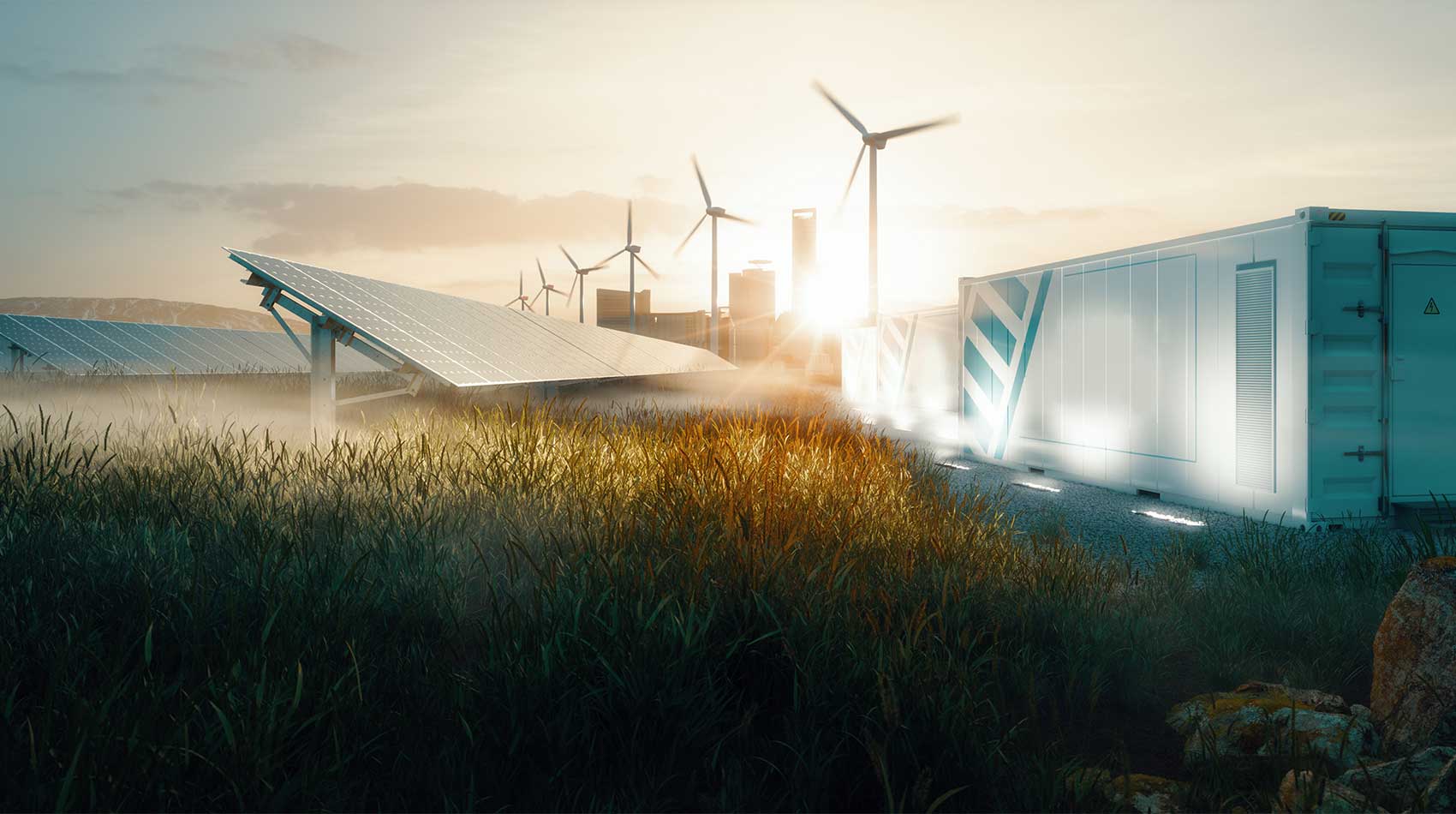
Solar panels have become one of the most recognizable symbols of the renewable energy transition. They appear on rooftops, in vast desert solar farms, and even on small devices like calculators and streetlights. Their growing presence reflects a simple but powerful reality: the sun provides more energy to the Earth in one hour than the entire world consumes in a year. Solar panels are the technology that turns this vast, free resource into usable electricity.
What Are Solar Panels
A solar panel is a device that converts sunlight directly into electricity. It is made up of multiple solar cells, which are the basic building blocks of the technology. These cells are typically made from silicon, a semiconductor material that has special electrical properties. When sunlight strikes the surface of a solar cell, it knocks electrons loose from their atoms. With the help of an electric field built into the cell, these freed electrons flow in a specific direction, creating an electrical current. This current is then captured and used to power electrical devices.
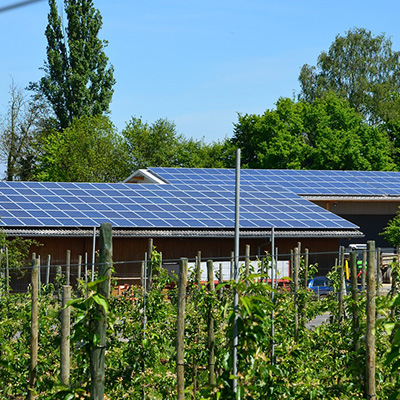
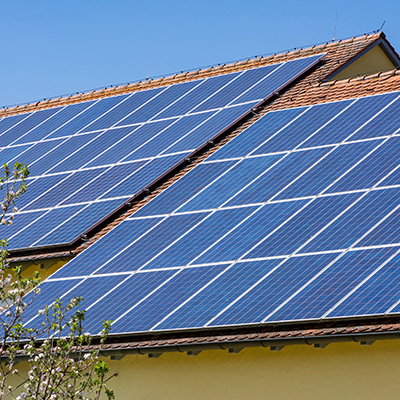
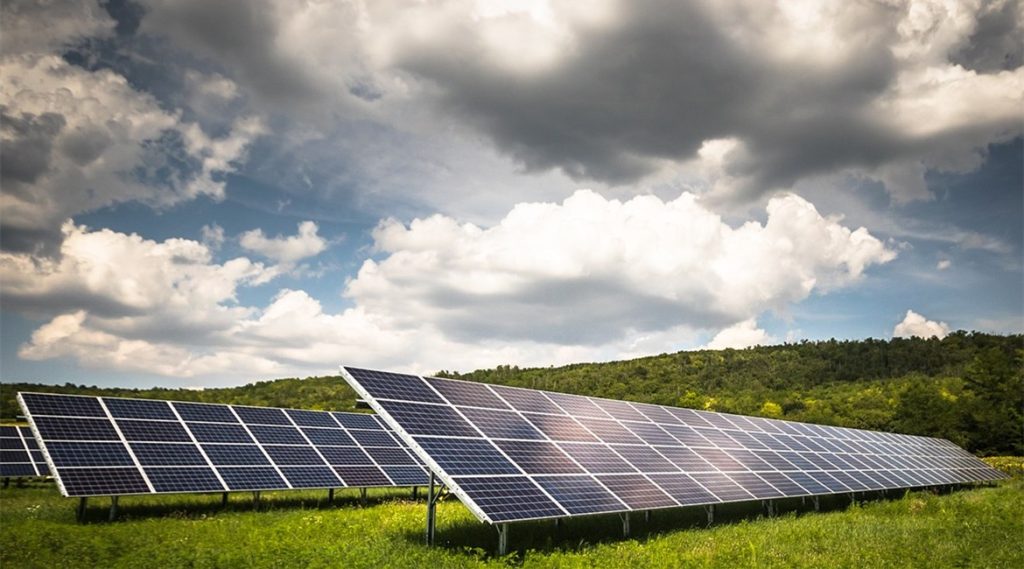
The term “solar panel” usually refers to a flat, rectangular assembly of interconnected solar cells, protected by a layer of tempered glass and framed in aluminum. A single panel can generate anywhere from a few dozen watts to over six hundred watts, depending on its size and efficiency. Multiple panels are connected together to form a solar array, which can be scaled up to meet the electricity demands of a home, a business, or an entire community.
How Solar Panels Work
Scientists first discovered the photovoltaic effect in the nineteenth century. This physical and chemical phenomenon occurs when certain materials generate a voltage and electric current upon exposure to light.
A solar cell has two distinct layers of silicon with different electrical properties. Manufacturers treat the top layer with phosphorus, adding extra electrons and giving it a negative charge. They treat the bottom layer with boron, which provides fewer electrons and results in a positive charge.The boundary where these two layers meet creates an electric field. When photons from sunlight strike the cell, they transfer their energy to electrons in the silicon, knocking them loose. The electric field pushes these freed electrons toward the top surface of the cell. Metal contacts on the top and bottom of the cell collect these electrons and channel them into an external circuit, producing a flow of direct current electricity.
An inverter converts this direct current into alternating current before most household appliances can use it.An inverter performs this conversion, making the electricity generated by solar panels compatible with the existing electrical grid and home wiring.
Types of Solar Panels
Not all solar panels are the same. The market offers several different types, each with its own characteristics in terms of efficiency, cost, and appearance.
Monocrystalline panels are the most efficient and widely used type for residential and commercial installations. They are made from a single, continuous crystal of silicon, which gives them a uniform dark appearance. Their efficiency ranges from eighteen to over twenty-two percent, meaning they can convert that portion of sunlight into electricity. They also perform better in low-light conditions and have a longer lifespan compared to other types. However, they are also the most expensive option.
Polycrystalline panels are made from multiple silicon crystals melted together. This manufacturing process is simpler and less costly, resulting in a lower price. Their efficiency is somewhat lower, typically between fifteen and seventeen percent. They appear blue and have a speckled look. For homeowners and businesses on a tighter budget, polycrystalline panels offer a good balance between cost and performance.
Thin-film panels are made by depositing very thin layers of photovoltaic material onto a substrate such as glass, metal, or plastic. They are lightweight and flexible, making them suitable for applications where traditional rigid panels are impractical. Their efficiency is lower, typically around ten to twelve percent. They also require more space to produce the same amount of electricity. However, they perform better in high temperatures and diffuse lighting conditions, making them a good choice for certain climates and building-integrated designs.
The Environmental Benefits of Solar Energy
The environmental case for solar panels is compelling and well-documented. Solar electricity generation produces no air pollution, no greenhouse gas emissions, and no water consumption during operation. Every kilowatt-hour of solar electricity generated displaces one kilowatt-hour that would otherwise have been produced by burning fossil fuels. Over its thirty-year lifespan, a typical residential solar system can offset dozens of tons of carbon dioxide emissions.
The energy and materials required to manufacture solar panels are recovered within the first two to three years of operation. After that, the panels produce clean electricity for the remainder of their service life with virtually zero emissions. As the manufacturing process becomes cleaner and more efficient, this energy payback period continues to shorten. Solar panels also reduce the need for water in electricity generation, which is a significant advantage in arid regions where water scarcity is a pressing concern.
Solar Panels and Financial Savings
Beyond their environmental benefits, solar panels offer substantial financial advantages to homeowners and businesses. Electricity bills are one of the largest recurring expenses for many households and commercial operations. By generating their own electricity, solar panel owners can significantly reduce or eliminate these bills.
The exact savings depend on several factors, including the size of the system, local electricity rates, the amount of sunlight the location receives, and the applicable net metering policies. In many regions, solar panels pay for themselves within six to ten years through reduced electricity bills. The remaining years of their twenty-five to thirty-year lifespan provide a clean and cost-effective source of electricity at a predictable and stable price.
Installation and Site Assessment
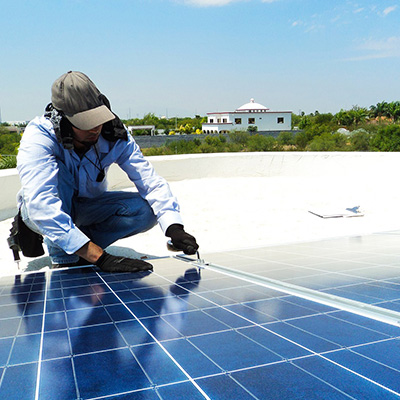
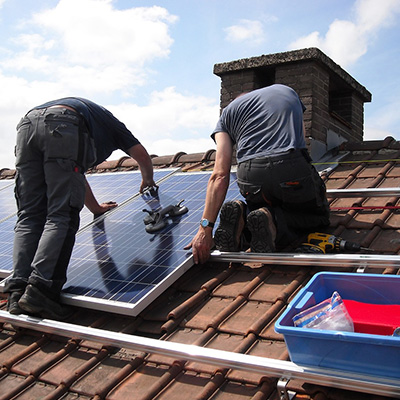
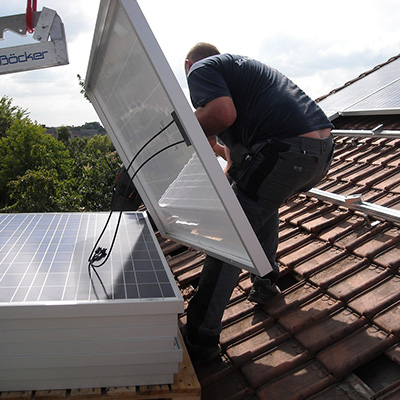
The process of installing solar panels begins with a thorough site assessment. A solar installer will evaluate the roof or ground location for the panels.They will measure the available space, inspect the structural integrity of the roof, and analyze shading patterns from trees, buildings, and other obstacles. Installers also carefully optimize the orientation and tilt angle of the panels to maximize sunlight capture.
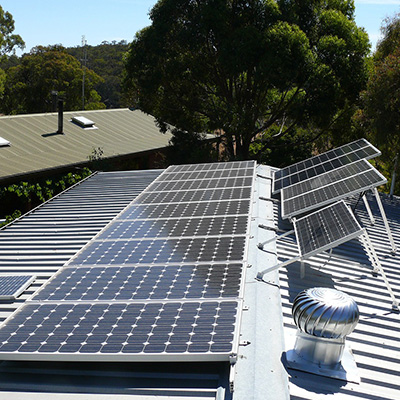
In most residential systems, installers mount the panels on racks and secure them to the roof structure. The angle and direction of the panels affect their energy production. In the northern hemisphere, panels typically face south for maximum exposure to the sun throughout the day. Installers calculate the optimal tilt angle based on the location’s latitude and seasonal sun paths.
Maintenance and Longevity
One of the appealing aspects of solar panels is their minimal maintenance requirements. They have no moving parts, which means there is very little that can wear out or break. Rain is usually sufficient to keep the surface of the panels clean enough for efficient operation. In dusty regions or during prolonged dry spells, owners may need to wash the panels occasionally to remove accumulated dirt and maintain peak efficiency. A soft brush or a garden hose with a spray nozzle usually provides all the cleaning they need.
Most manufacturers provide warranties that guarantee the panels will still produce at least eighty to ninety percent of their rated power after twenty-five years. This means the panels do not stop working after this period. Instead, they slowly degrade over time, losing roughly half a percent of their efficiency each year. After two and a half decades, a well-maintained panel will still generate approximately eighty-five percent of its original output, continuing to provide clean energy well into the future.
Conclusion
Solar panels have become a mature, reliable, and cost-effective technology for generating clean electricity. They offer homeowners, businesses, and utilities a dependable source of energy. The environmental benefits are substantial and continue to grow with each new installation. Technological advances are steadily improving efficiency and lowering costs. For all these reasons, solar panels will continue to take on an increasingly central role in the world’s energy future. The path to a sustainable energy system runs through the sun, and solar panels are the technology that can take us there.