What Are Solar Panels?
A solar panel is a device that converts sunlight directly into electricity. It is made up of many smaller units called photovoltaic cells, usually made from silicon. When sunlight hits these cells, it knocks electrons loose and creates an electric current. This current can power anything from a small calculator to an entire house.
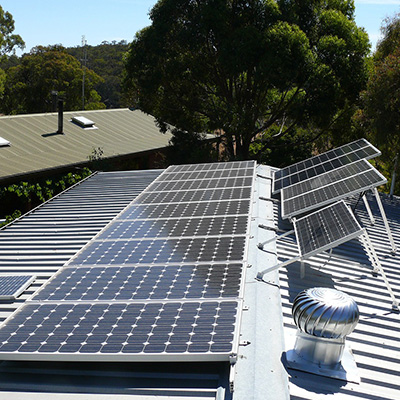
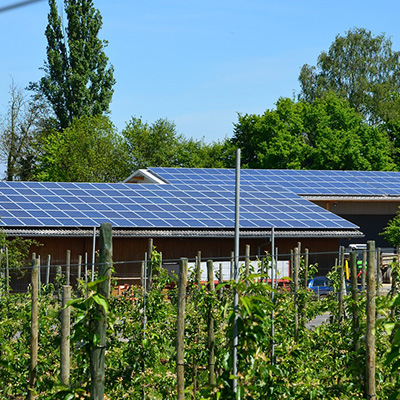
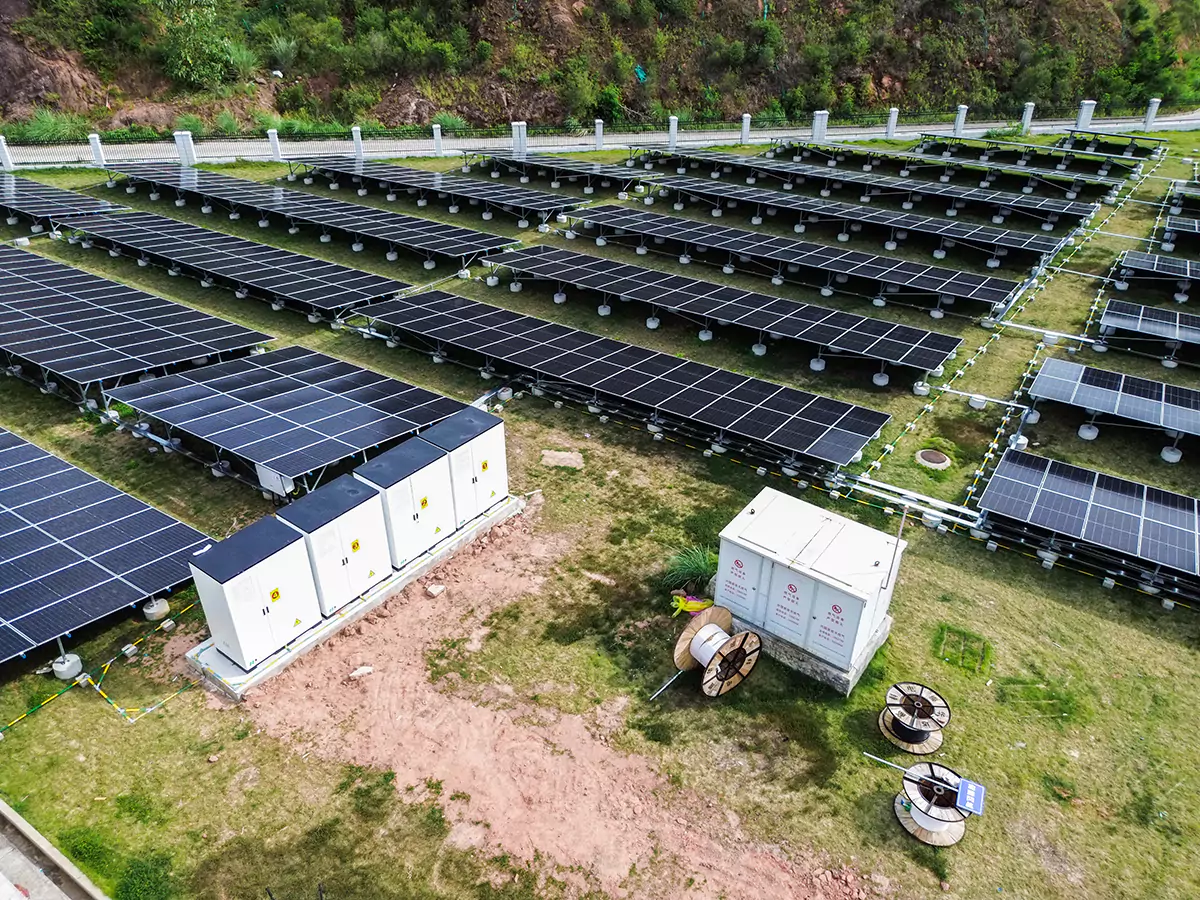
Solar panels are typically installed on rooftops or in large open fields called solar farms. They have no moving parts, which makes them very reliable and long-lasting. A good quality solar panel can produce electricity for 25 years or more with very little maintenance. The best part is that they generate electricity without any noise or pollution.
How Do Solar Panels Work?
The science behind solar panels is called the photovoltaic effect. Each solar cell has two layers of silicon that are treated to create positive and negative charges. When sunlight particles called photons hit the cell, they transfer energy to electrons, allowing them to break free and flow in one direction. This flow of electrons is what we call direct current electricity.
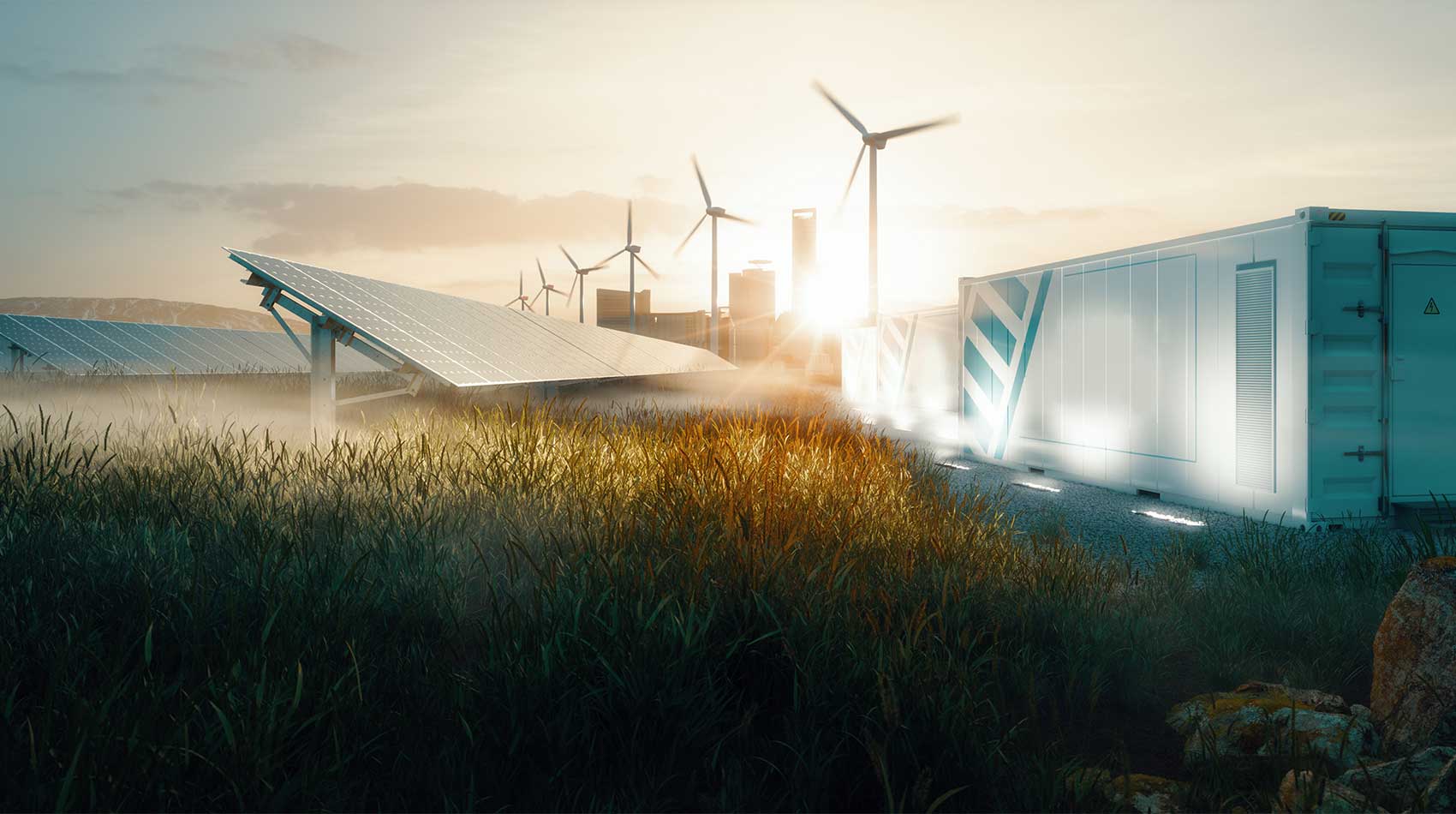
This direct current cannot be used directly by most home appliances. An inverter converts it into alternating current, which is the standard form of electricity used in homes and businesses. The entire process happens silently and instantly whenever sunlight is present. Any excess electricity can be sent back to the grid or stored in batteries for later use.
Main Types of Solar Panels
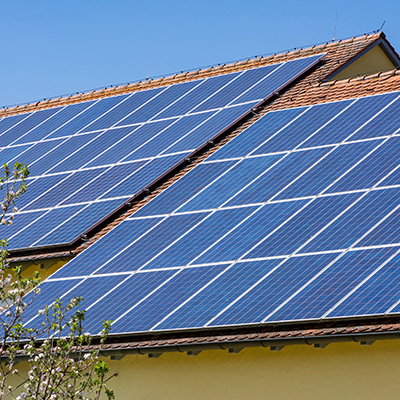
Monocrystalline panels are made from a single pure silicon crystal. They are easy to recognize by their uniform dark black color and rounded edges. These panels have the highest efficiency, typically converting 18 to 22 percent of sunlight into electricity. They also perform better in low-light conditions, but they are the most expensive option.
Polycrystalline panels are made from multiple silicon fragments melted together. They have a blue, speckled appearance and slightly lower efficiency, usually between 15 and 17 percent. However, they are more affordable to manufacture. For homeowners on a budget, polycrystalline panels offer a good balance between cost and performance.
Thin-film panels are made by depositing a thin layer of photovoltaic material onto glass or metal. They are lightweight, flexible, and perform well in high temperatures. Their efficiency is lower, typically around 10 to 12 percent. They are best suited for large industrial projects or portable applications where weight matters more than efficiency.
Key Benefits of Solar Panels
The most obvious benefit of solar panels is reducing your electricity bills. Once you have paid for the installation, the energy they produce is essentially free. Many homeowners see their monthly electricity costs drop by 50 to 90 percent. Over the 25-year lifespan of a typical system, the savings can be tens of thousands of dollars.
Solar panels also help protect the environment. They generate electricity without burning fossil fuels, which means no carbon dioxide or other harmful emissions. A typical home solar system can offset about three to four tons of carbon dioxide each year. That is equivalent to planting over 100 trees annually.
Finally, solar panels provide energy independence. By generating your own power, you become less vulnerable to rising utility rates and power outages. When paired with a battery storage system, your solar panels can keep your lights on even when the grid goes down. This is especially valuable in areas with frequent blackouts.
Challenges and Limitations
The initial cost remains a major barrier for many households. A typical residential solar system can cost between 10,000 and 30,000 dollars before incentives. However, prices have dropped by more than 70 percent over the past decade. Tax credits, rebates, and financing options are available in many countries to ease this burden.
Solar panels depend entirely on sunlight. They produce little to no electricity at night or on heavily overcast days. This means you still need a connection to the grid or a battery system to ensure continuous power supply. The intermittency issue is the main reason why solar cannot completely replace traditional power sources yet.
Not every home is suitable for solar panels either. Your roof needs to face the right direction and have enough space. South-facing roofs with a slope between 15 and 40 degrees are ideal in the Northern Hemisphere. Trees, chimneys, or nearby buildings that cast shadows can substantially reduce energy production.
Installation Process
Installing solar panels begins with a site assessment by a professional installer. They will evaluate your roof condition, shading, and electrical system to determine if solar is a good fit. They will also calculate how many panels you need based on your annual electricity usage. This assessment usually takes one to two hours.
Next comes the permitting and paperwork. The installer handles applications for building permits and grid connection approvals. This step also includes applying for any available tax credits or rebates. The paperwork can take several weeks, depending on your local government and utility company.
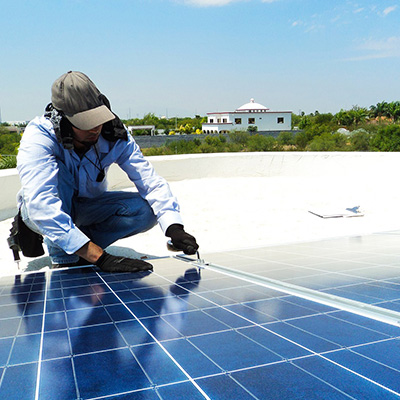
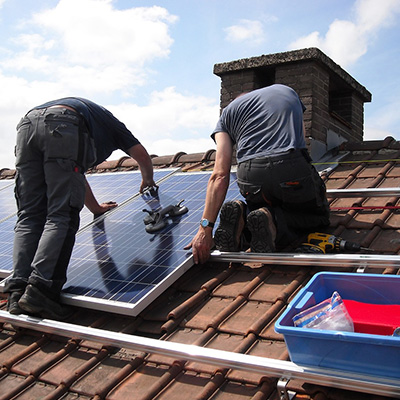
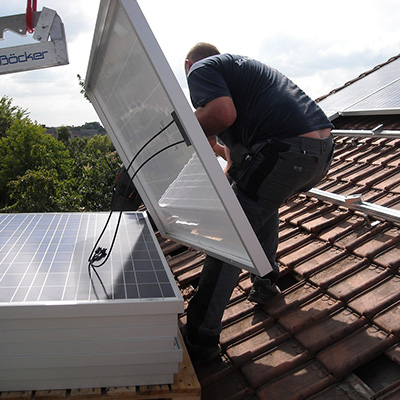
The actual installation typically takes one to three days. Workers mount racks on your roof, attach the panels, and connect everything to an inverter. Finally, the utility company installs a new meter and grants permission to turn the system on. Once connected, you can start generating your own clean electricity immediately.
Maintenance and Longevity
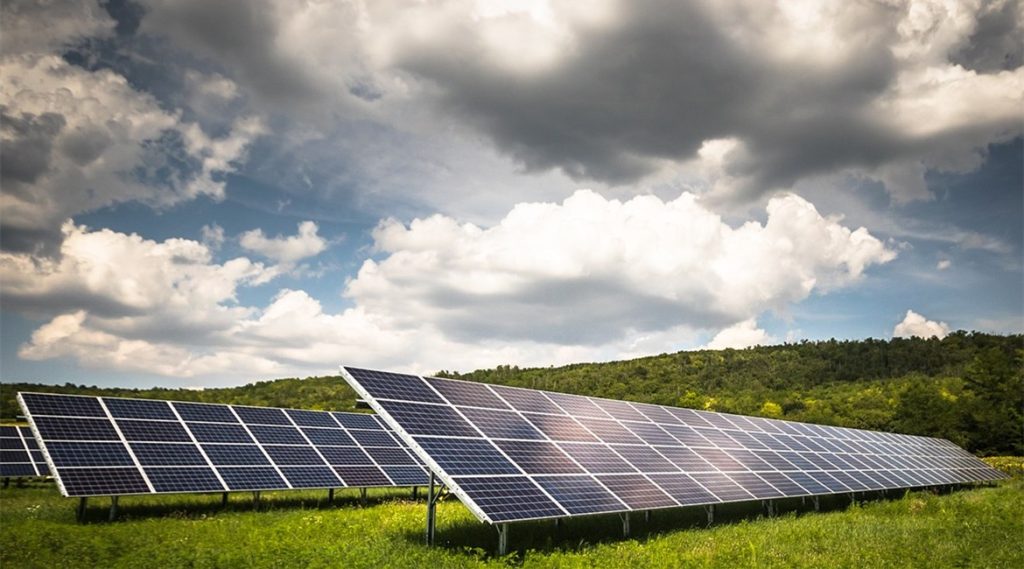
Solar panels require very little maintenance because they have no moving parts. Dust and dirt can reduce their output slightly, but rain usually cleans them well enough. In very dry areas, you may need to hose them off once or twice a year. Do not use harsh chemicals or abrasive tools, as these can damage the glass surface.
Most manufacturers guarantee that their panels will still produce at least 80 percent of their rated power after 25 years. In reality, many panels last much longer and continue working for 30 or even 40 years. The inverter typically needs replacement after 10 to 15 years, which is a normal part of system ownership.
The best way to monitor your system is through a smartphone app provided by your installer. The app shows how much electricity your panels are producing in real time. It can also alert you if something is wrong, such as a drop in output from a specific panel. Regular monitoring helps you catch problems early.
Environmental Impact
The environmental benefits of solar panels far outweigh their manufacturing footprint. Producing a solar panel does require energy and creates some waste. However, the panel pays back this energy debt within one to three years of operation. Over its lifetime, a solar panel produces 10 to 20 times more energy than was used to make it.
Solar panels also help reduce water usage. Traditional power plants, especially coal and nuclear, consume huge amounts of water for cooling. Solar panels generate electricity without any water at all. This is a big advantage in drought-prone regions where water is scarce.
At the end of their life, solar panels can be recycled. Up to 95 percent of the materials, including glass, aluminum, and silicon, can be recovered and used to make new panels. As the solar industry grows, recycling programs are becoming more common and affordable. This makes solar energy even more sustainable.
The Future of Solar Panel Technology
Perovskite solar cells are a new type of thin-film technology that has improved rapidly. Their efficiency has jumped from 3 percent to over 25 percent in just one decade. They are cheaper to produce than silicon cells and can be layered on top of traditional panels. These tandem cells capture more of the sun’s spectrum and achieve higher overall efficiency.
Bifacial solar panels capture sunlight from both the front and back sides. They can generate up to 30 percent more energy by using light reflected from the ground or roof surface. These panels work especially well on white roofs or in snowy areas. The extra energy comes at a small additional cost, making them very cost-effective in the right conditions.
Building-integrated photovoltaics are turning solar panels into building materials themselves. Solar roof tiles look just like normal roof tiles but generate electricity. Transparent solar windows and solar facades are also being developed. As these technologies mature and costs continue to fall, solar panels will become an invisible yet essential part of our buildings.
Conclusion
Solar panels have gone from powering satellites to powering homes and businesses worldwide. They offer a clean, quiet, and increasingly affordable way to generate electricity. The sun provides more than enough energy in one hour to power the entire world for a full year.
Choosing solar panels benefits both your wallet and the planet. You save money on electricity, increase your energy independence, and reduce your carbon footprint all at once. As technology improves and costs continue to fall, solar power will become accessible to even more people.
Every solar panel installed is a step toward a cleaner, more sustainable future. Whether you are a homeowner, a business owner, or just someone who cares about the environment, solar energy is an opportunity worth considering. The power of the sun is waiting to be harnessed.