
The Short Answer: Yes, But Only Under Specific Conditions
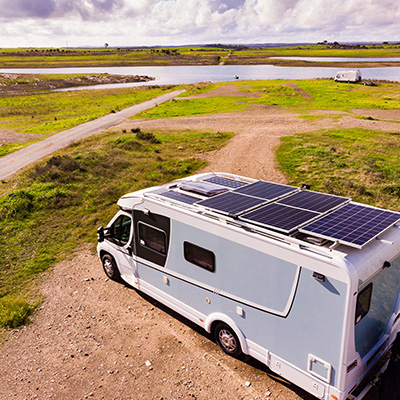
A 200-watt solar panel can potentially run a fridge, but this depends heavily on one critical factor: the type and size of the refrigerator. This setup is most feasible for small, efficient 12V DC refrigerators commonly used in RVs, campervans, or for camping. For a standard household AC refrigerator, a single 200W panel is almost always insufficient for reliable, continuous operation.
The simple reason is a mismatch between energy production and energy consumption. To determine if it will work for you, you must compare three key things: your fridge’s daily energy needs, your solar panel’s realistic daily output, and the essential supporting equipment required (batteries, charge controller).
Key Factor 1: Your Refrigerator’s True Power Consumption
Refrigerators do not run at a constant wattage. They cycle on and off, and their energy needs are best measured in Watt-hours (Wh) per day. The type of fridge dramatically changes the equation.
| Refrigerator Type | Average Running Power (Watts) | Typical Daily Energy Use (Watt-hours) | Startup Surge (Watts) | Suitable for 200W Solar Panel? |
|---|---|---|---|---|
| Small 12V DC Fridge (e.g., for camping/RVs) | 40 – 60W | 400 – 700 Wh | Minimal to none (varies by compressor) | Possible, with careful sizing. This is the primary use case. |
| Efficient Home AC Fridge (DC Inverter type) | 50 – 100W | 500 – 1,200 Wh | 300 – 500W | Very challenging, likely insufficient. |
| Standard Home AC Fridge (Traditional compressor) | 100 – 200W | 1,200 – 2,500 Wh | 800 – 1,200W | No. Will require a much larger solar array. |
How to Find Your Fridge’s Specs:
Check the yellow EnergyGuide label inside or on the back of the appliance. Look for “Estimated Yearly Energy Use” in kWh. Divide that number by 365 to get an average daily Wh consumption. Also, note the running watts and startup surge (often called “LRA” or “starting amps”) for inverter sizing.
Key Factor 2: Real-World Solar Panel Output
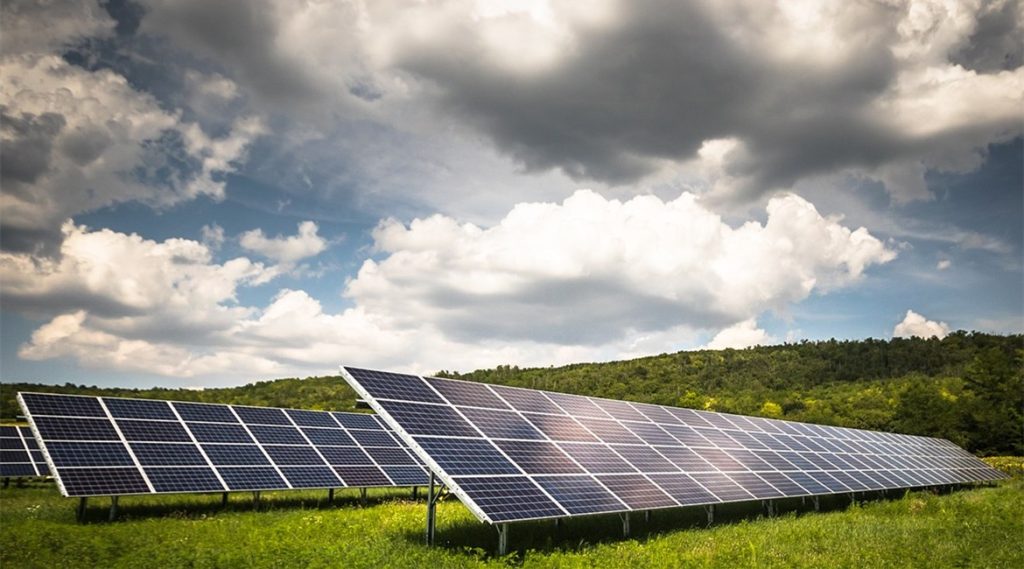
A “200W” rating is achieved under perfect laboratory conditions (Standard Test Conditions). In reality, daily energy generation is far less.
The realistic daily output is calculated using this formula:
Daily Output (Wh) = Panel Wattage × Peak Sun Hours × System Efficiency
- Peak Sun Hours: This is not daylight hours. It’s the equivalent number of hours your location receives sunlight at an intensity of 1,000 W/m² (the lab test standard). This varies widely by location, season, and weather.
- Sunny Southwest USA: ~6 hours
- Northeast USA or UK: ~3-4 hours
- Northern Europe in Winter: Can be as low as 1-2 hours
- System Efficiency: Losses occur in wiring, the charge controller, and battery charging. A realistic overall efficiency for a good system is 75-85%.
Example Calculation for a 200W Panel:
In a location with 4 peak sun hours and 80% system efficiency:
200W × 4 hours × 0.80 = 640 Wh generated per day.
The Mismatch: Compare this 640 Wh generation to the consumption in the table above. A small 12V fridge (~500 Wh/day) could theoretically break even on a good day. A standard home fridge (~1,500 Wh/day) would have a major deficit.
Key Factor 3: The Essential System Components
A solar panel alone cannot run a fridge. You need a complete system:
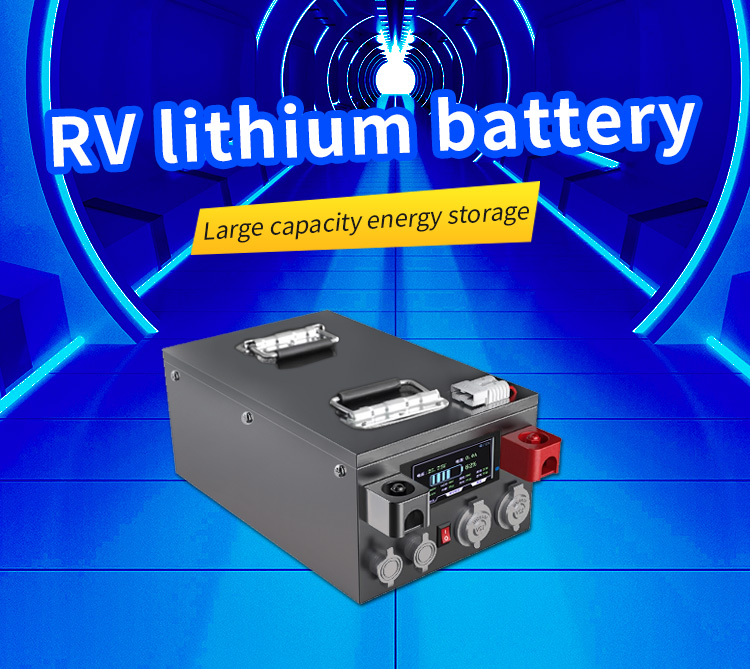
- Battery Bank (Essential for Nights & Clouds): Solar panels don’t generate power at night. A battery stores daytime energy for 24/7 operation. For a small fridge using ~600 Wh/day, a 100-200Ah Lithium Iron Phosphate (LiFePO4) battery is recommended for 1-2 days of backup.
- Charge Controller (MPPT Recommended): This regulates the power from the panel to the battery, preventing damage. An MPPT controller is more efficient than a PWM type, harvesting 15-30% more energy, especially in sub-optimal light.
- Inverter (For AC Fridges Only): A pure sine wave inverter converts DC battery power to AC for a household fridge. It must be sized to handle the startup surge (not just the running watts), often needing a 1,500-2,000W inverter for a standard fridge.
Conclusion & Final Recommendation
So, will a 200W solar panel run a fridge?
- For a small, efficient 12V DC refrigerator (common in off-grid living/RVs): Yes, it can be the core of a well-designed system. You must pair it with a sufficiently large battery (e.g., 100Ah+ LiFePO4), an MPPT charge controller, and ensure good solar exposure.
- For a standard household AC refrigerator: No, it is not enough. You will need a larger solar array—typically 400W to 800W or more—along with a large battery bank and a powerful inverter to meet the higher energy demand and startup surge.
Always design with a buffer. Experts recommend oversizing your solar panel capacity by 20-30% above your calculated needs to account for inefficiencies, cloudy days, and panel degradation over time
To proceed, start by determining your refrigerator’s exact daily energy use in Watt-hours, research the peak sun hours for your location, and then size your complete solar system (panels, battery, controller) accordingly.