What Exactly Is a Solar Panel?
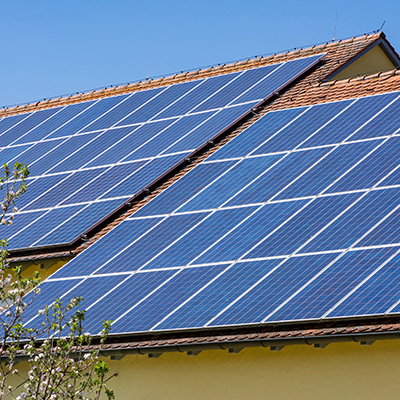
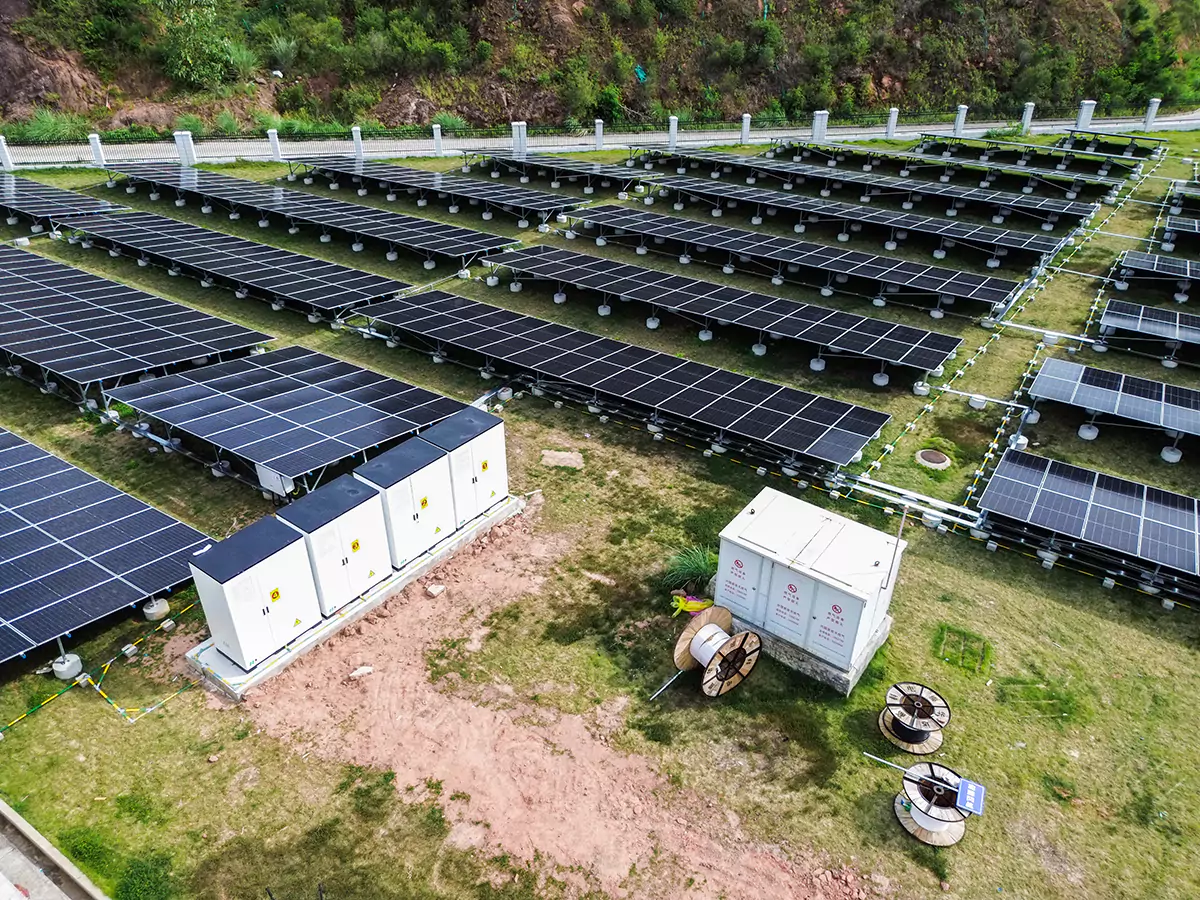
A solar panel, often called a photovoltaic module, is a device that converts sunlight directly into electricity. This transformation relies on the photovoltaic effect, a physical phenomenon discovered in the nineteenth century. Each panel contains dozens of solar cells, typically made from crystalline silicon. These cells absorb photons from sunlight, freeing electrons from their atomic bonds. When electrons move through the material, they generate a flow of direct current electricity. Multiple panels connected together form an array, capable of producing substantial amounts of power.
How Do Solar Panels Actually Work?
Understanding the working principle requires looking at the atomic level of silicon. Silicon atoms form a crystal lattice structure, but pure silicon is not a good conductor. Manufacturers introduce small amounts of phosphorus and boron into the silicon during production. This process creates an electric field at the junction between differently doped layers. Sunlight striking the panel provides enough energy to knock electrons loose from their positions. These freed electrons are then pushed in one direction by the internal electric field, creating an electrical current. Metal contacts on the top and bottom of the cell collect this current for external use. An inverter then converts the direct current into alternating current, which powers household appliances and industrial equipment.
The Environmental Advantages of Solar Energy
Solar power offers remarkable environmental benefits compared to fossil fuel alternatives. Panels generate electricity without producing greenhouse gases or harmful emissions during operation. A typical residential system can offset several tons of carbon dioxide annually. Over its thirty-year lifespan, one panel prevents more emissions than a car produces in a decade. Moreover, solar energy reduces dependence on finite resources like coal, oil, and natural gas. Mining and transportation of these fuels carry significant environmental risks, including oil spills and habitat destruction. Solar panels, by contrast, sit quietly on rooftops or fields, generating clean power for decades with minimal maintenance.
Economic Considerations and Financial Returns
The financial picture of solar panel installation has become increasingly attractive over recent years. Equipment costs have dropped by roughly eighty percent since 2010, making solar accessible to millions of households. Many governments offer tax credits, rebates, and feed-in tariffs to encourage adoption. A typical home system now pays for itself within six to eight years through electricity bill savings. After this breakeven point, the electricity generated is essentially free for the remaining system life. Rising utility rates further accelerate the payback period, as solar shields homeowners from price hikes. Businesses can also benefit from accelerated depreciation and reduced operating expenses, improving their bottom line.
Types of Solar Panels Available Today
Three main types of panels dominate the current market, each with distinct characteristics. Monocrystalline panels, made from single silicon crystals, offer the highest efficiency and sleekest appearance. Polycrystalline panels, produced from melted silicon fragments, provide lower costs but slightly reduced performance. Thin-film panels, manufactured by depositing photovoltaic material on glass or plastic, sacrifice efficiency for flexibility and lightweight design. Monocrystalline panels typically achieve efficiency ratings between twenty and twenty-three percent. Polycrystalline models usually range from fifteen to seventeen percent efficiency. Thin-film options remain below fifteen percent but excel in certain applications like building-integrated photovoltaics and portable chargers.
Installation and Site Assessment
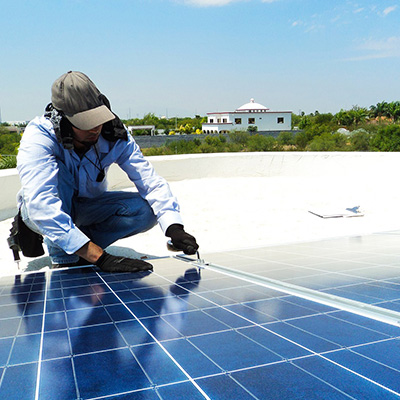
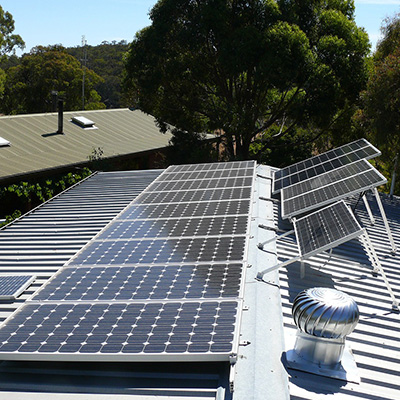
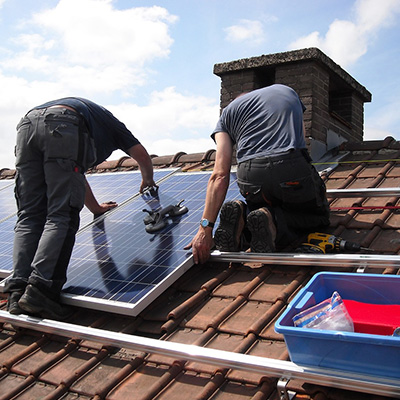
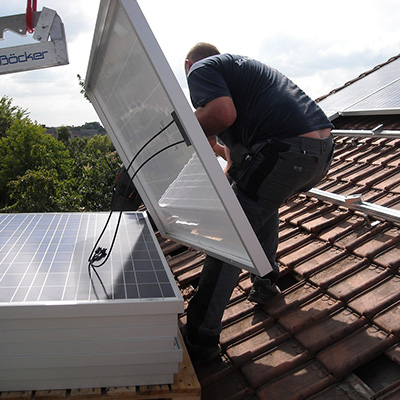
Proper installation begins with a thorough site assessment by qualified professionals. Installers evaluate roof orientation, tilt angle, shading patterns, and structural integrity. Southern-facing roofs in the northern hemisphere capture maximum sunlight throughout the year. Shadows from trees, chimneys, or neighboring buildings can significantly reduce output. Modern design software models annual production based on location-specific weather data and shading analysis. Installers also inspect electrical panels and utility meters to ensure compatibility with grid connection. Most residential installations take one to three days, depending on system size and complexity. Permits and utility approvals must be secured before work commences, a process that varies by jurisdiction.
Maintenance and Longevity
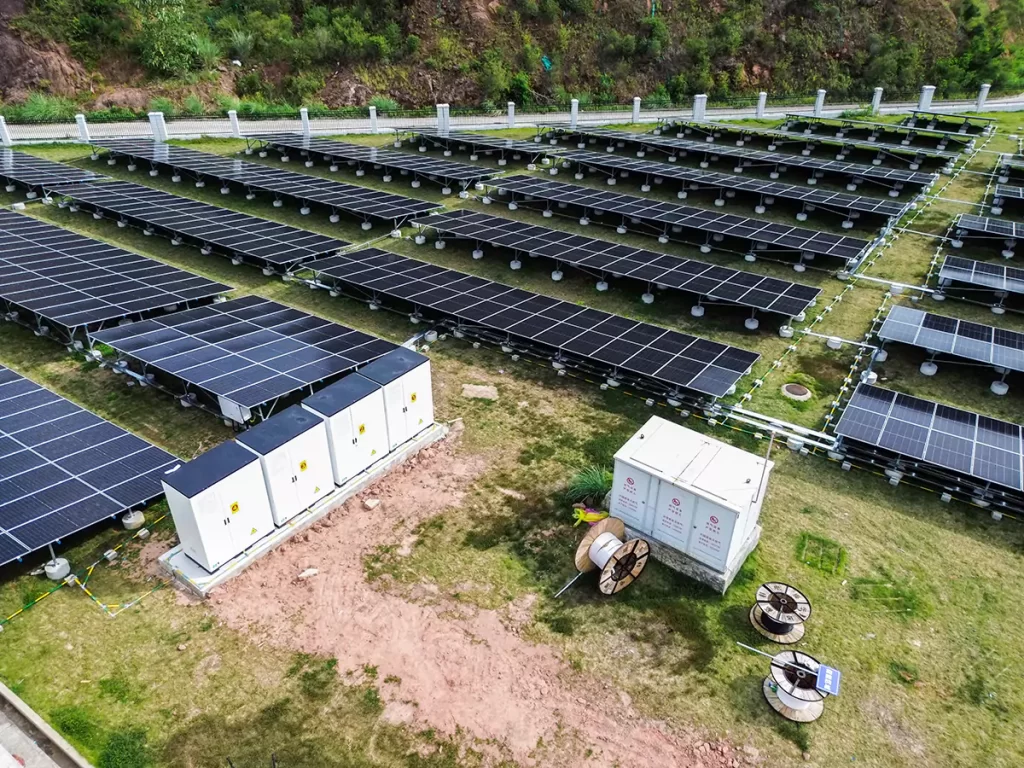
Solar panels require surprisingly little maintenance despite being exposed to weather year-round. Rain naturally washes away dust, pollen, and bird droppings from the glass surface. In dry climates or during extended droughts, occasional cleaning with water and a soft brush may be beneficial. Panels have no moving parts, eliminating the wear and tear common in mechanical energy systems. The primary maintenance concern involves inverters, which typically need replacement after ten to fifteen years. Most manufacturers guarantee panels for twenty-five years, with performance warranties ensuring at least eighty percent of original output. Many systems installed in the 1990s continue operating effectively today, proving the technology’s remarkable durability.
Solar Panel Applications Beyond Rooftops
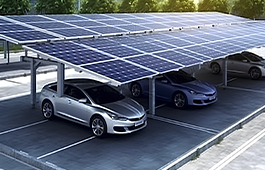
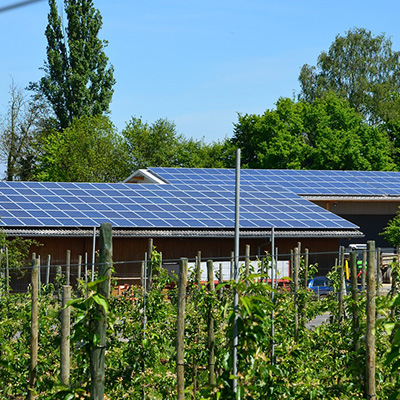
While residential rooftops represent the most visible application, solar panels serve diverse purposes worldwide. Utility-scale solar farms now generate hundreds of megawatts, powering entire communities. Rural clinics in developing regions rely on solar to refrigerate vaccines and operate essential medical equipment. Farmers use panels to pump irrigation water without diesel generators, reducing both costs and emissions. Spacecraft and satellites have depended on photovoltaic cells since the 1960s, operating reliably in the harsh vacuum of space. Solar-powered water heaters reduce electricity consumption for households in sunny climates. Portable solar chargers keep phones and laptops running during outdoor adventures and emergencies.
Challenges Facing Solar Technology
Despite remarkable progress, solar energy faces several practical limitations. Intermittent generation remains the primary obstacle, as panels produce nothing at night. Cloudy weather can cut output by fifty percent or more compared to clear conditions. Energy storage solutions like batteries address this issue but add substantial cost to the system. Recycling spent panels presents another growing concern, with waste volumes expected to surge in coming decades. Land use for large solar farms sometimes conflicts with agriculture or natural habitats. Manufacturing processes require significant energy and involve some hazardous materials. However, ongoing research steadily addresses each of these challenges through improved materials and smarter system designs.
The Future of Photovoltaic Technology
Emerging innovations promise to make solar panels even more efficient and versatile in the years ahead. Perovskite solar cells, constructed from inexpensive crystalline materials, have achieved efficiency improvements faster than any previous technology. Bifacial panels capture sunlight from both sides, increasing total energy harvest by ten to twenty percent. Building-integrated photovoltaics replace conventional roofing materials with solar-active alternatives, reducing aesthetic concerns. Floating solar arrays installed on reservoirs and lakes minimize land use while reducing water evaporation. Solar panel efficiency records are broken regularly in research laboratories worldwide. Many experts predict that solar will become the largest electricity source globally within the next two decades. This transformation depends on continued cost reductions, storage improvements, and supportive government policies.
Making the Decision to Go Solar
Choosing solar energy involves weighing multiple factors specific to each situation. Electricity consumption patterns, local utility rates, and available sunlight all influence financial returns. Homeowners should obtain quotes from several certified installers before making commitments. Understanding warranty terms, performance guarantees, and maintenance obligations prevents future surprises. Leasing options exist for those unable to afford upfront purchases, though they typically yield lower long-term savings. Community solar programs allow renters and apartment dwellers to benefit from shared installations. Taking advantage of available incentives requires careful documentation and timely applications. With proper planning, solar panels offer a reliable pathway to energy independence and environmental stewardship, all while providing tangible economic returns for decades to come.