
Introduction: The Power of the Sun
The sun sends more energy to Earth in one hour than the entire world uses in a year. This staggering fact has inspired scientists and engineers to develop better ways to capture and use solar energy. The solar panel, also known as a photovoltaic panel, is the most common and effective tool for this purpose. It converts sunlight directly into electricity using special materials called semiconductors. This clean and renewable energy source is now transforming how we power our homes, businesses, and even entire cities.
How a Solar Panel Works
A solar panel is made up of many smaller units called solar cells. These cells are typically made from silicon, a common element found in sand. When sunlight hits the silicon cell, it knocks electrons loose from their atoms. This movement of electrons creates an electric current, which we can capture and use as electricity. This process is called the photovoltaic effect, and it happens silently and without any moving parts. Multiple cells are connected together and sealed under protective glass to form a complete panel.
Types of Solar Panels
There are three main types of solar panels available on the market today. Monocrystalline panels are made from a single, pure silicon crystal and offer the highest efficiency. They perform well even in low-light conditions but come at a higher cost. Polycrystalline panels are made from melted silicon fragments and are less expensive. They have slightly lower efficiency but offer good value for most homeowners. Thin-film panels are lightweight and flexible, making them suitable for unusual surfaces. However, they take up more space and have lower efficiency than crystalline panels.
Key Applications of Solar Panels
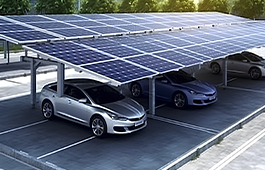
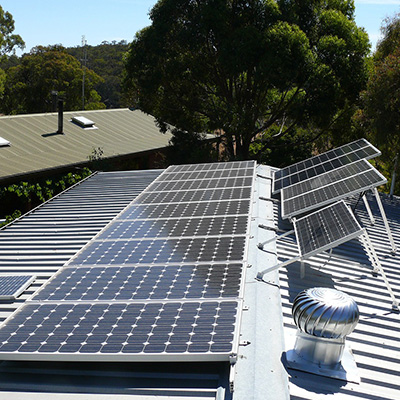
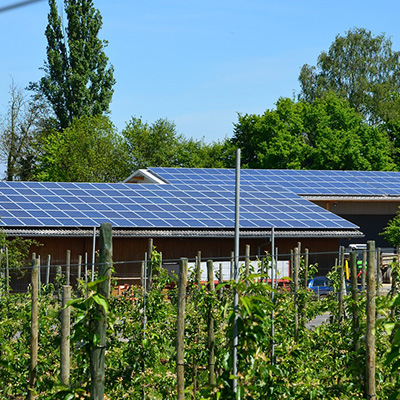
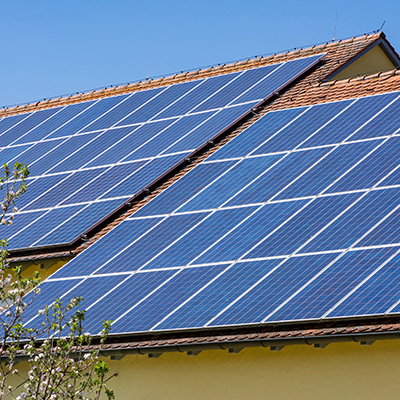
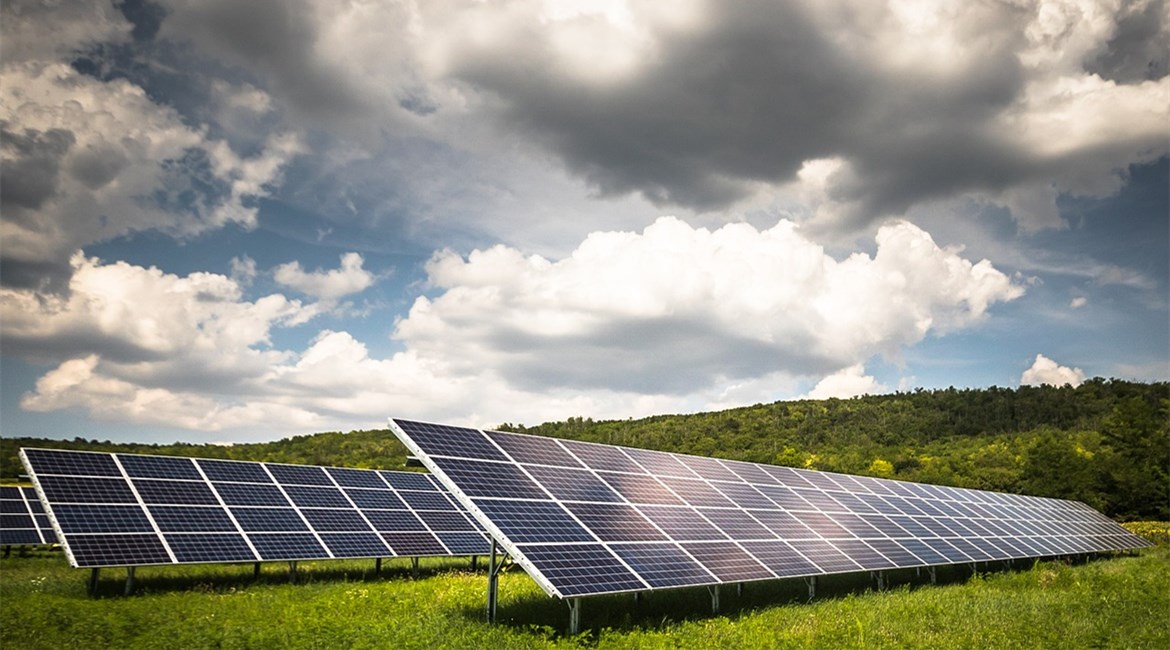
Residential solar panels are the most visible application, installed on rooftops across neighborhoods worldwide. They help homeowners reduce their electricity bills and protect themselves from rising energy costs. Commercial buildings, warehouses, and factories are also installing large solar arrays on their roofs or in adjacent fields. Utility-scale solar farms cover hundreds of acres and generate massive amounts of electricity for the grid. In remote areas, solar panels power communication towers, water pumps, and off-grid homes where traditional electricity is unavailable.
Environmental and Economic Benefits
Solar panels generate electricity without producing greenhouse gas emissions or air pollutants. This clean energy source helps reduce our dependence on fossil fuels and slows the pace of climate change. A typical residential solar system can offset three to four tons of carbon dioxide annually. Over the lifetime of the panels, this adds up to significant environmental benefits. Economically, solar panels offer predictable electricity costs and protection against volatile utility rates. With falling installation costs and available tax incentives, many homeowners see a return on their investment in five to ten years.
Challenges and Limitations
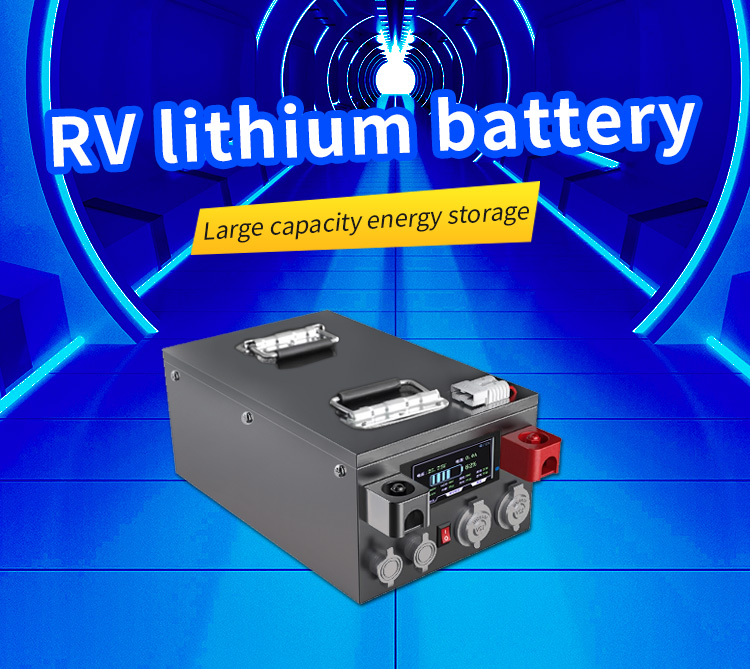
Solar panels have some limitations that are important to understand. They only produce electricity when the sun is shining, so they do not work at night or during heavy cloud cover. This intermittency requires energy storage solutions like batteries or a connection to the grid. Manufacturing and disposing of solar panels also involve energy consumption and material use, though their environmental footprint is still far smaller than fossil fuels. Additionally, installation requires adequate roof space with proper orientation and minimal shading to achieve good performance.
Installation and Maintenance
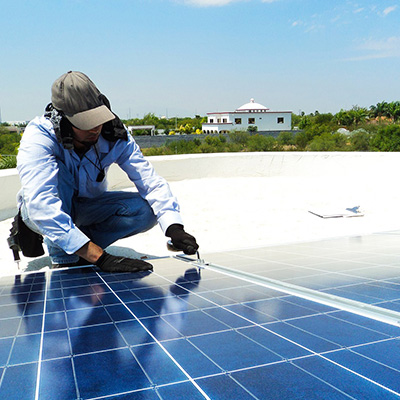
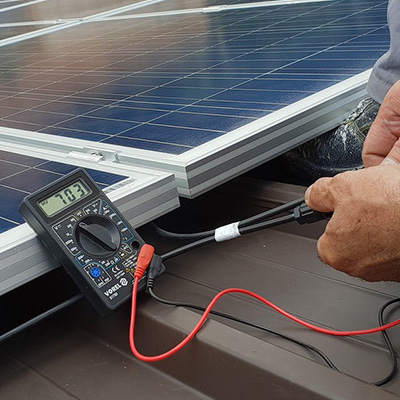
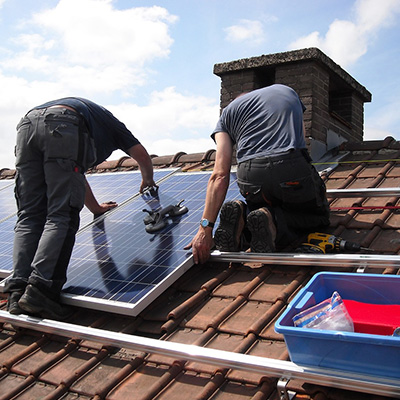
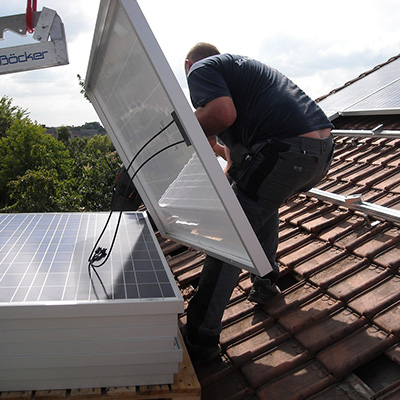
Installing solar panels involves several important steps to ensure safety and performance. First, a professional installer evaluates your roof’s structure, orientation, and potential shading issues. The panels are then mounted on racks, connected to an inverter, and tied into your home’s electrical system. Many systems are also connected to the local utility grid through a bi-directional meter. Maintenance is relatively simple and usually involves cleaning the panels a few times per year. Rain often does the job in many climates, removing dust and debris effectively.
The Future of Solar Technology
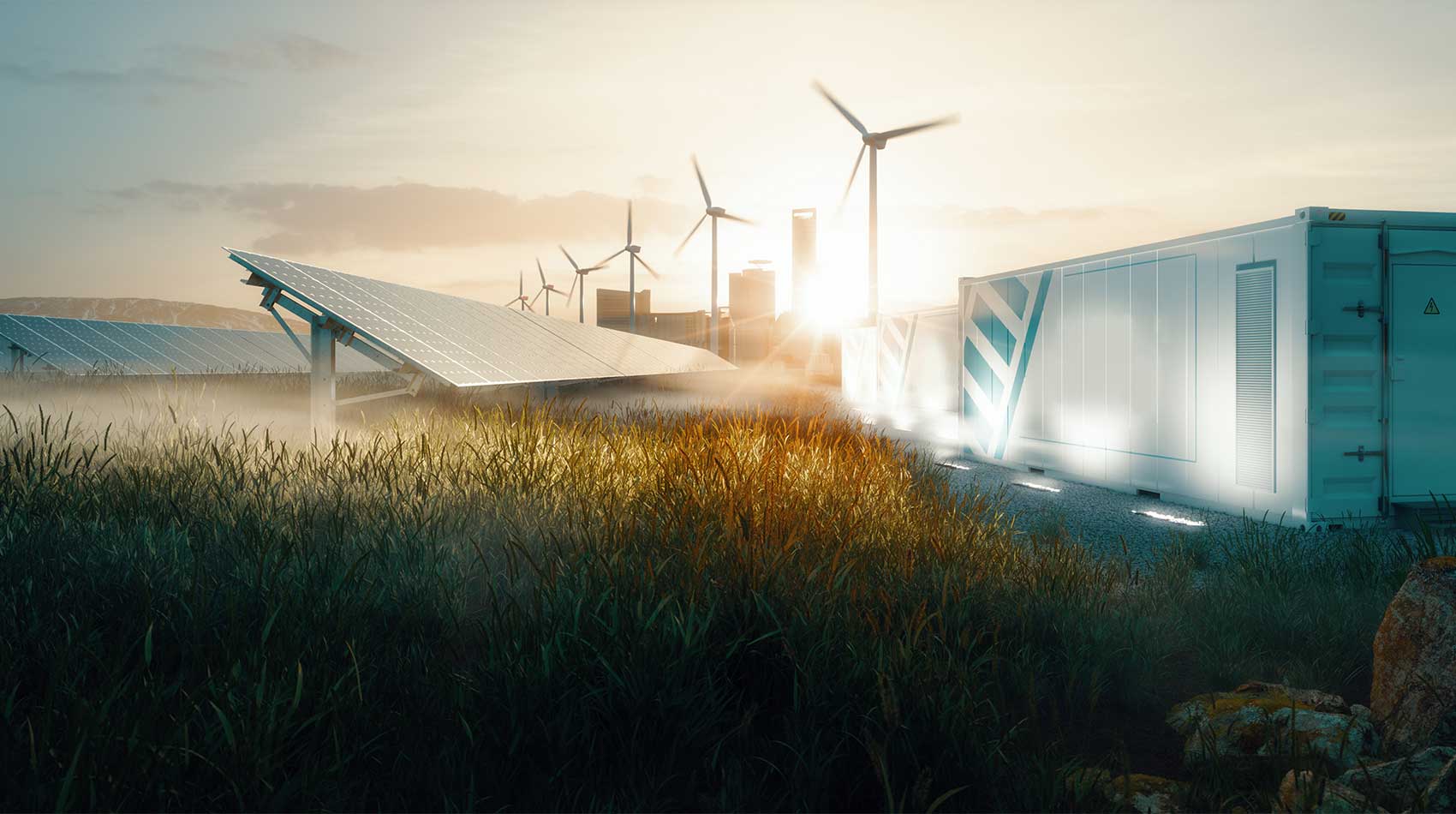
Solar panel technology continues to improve rapidly, becoming more efficient and affordable each year. Bifacial panels can capture sunlight from both sides, increasing energy production by up to thirty percent. Perovskite solar cells are a promising new material that could surpass silicon efficiency at lower cost. Transparent solar cells can be integrated into windows, turning entire buildings into power generators. Floating solar farms on reservoirs and lakes are also gaining popularity, saving land space while reducing water evaporation. With battery storage becoming cheaper and more capable, solar power is moving toward twenty-four-hour availability.
Conclusion
Solar panels represent one of the most promising solutions to our growing energy and environmental challenges. They offer a clean, renewable, and increasingly affordable way to generate electricity from an abundant natural resource. As technology improves and costs continue to fall, solar energy will play an even larger role in our energy mix. The sun has powered life on Earth for billions of years, and now we are learning to harness its energy more directly than ever before. By embracing solar panels, we take an important step toward a more sustainable and resilient future.