
In the rapidly evolving landscape of energy storage, two acronyms appear with increasing frequency: ESS and BESS. While they are often used interchangeably in casual conversation, technical discussions, industry reports, and procurement documents draw a clear distinction between the two. Understanding this difference is not merely an exercise in terminology—it has practical implications for project planning, technology selection, regulatory compliance, and system design.
The Core Distinction: Scope vs. Specificity
At its simplest level, the difference between ESS and BESS is one of scope. ESS (Energy Storage System) is a broad, umbrella term encompassing any technology or system that stores energy for later use. BESS (Battery Energy Storage System) is a subset of ESS that specifically refers to systems using electrochemical batteries as the storage medium.
In other words: all BESS are ESS, but not all ESS are BESS.
ESS: The Broad Universe of Energy Storage
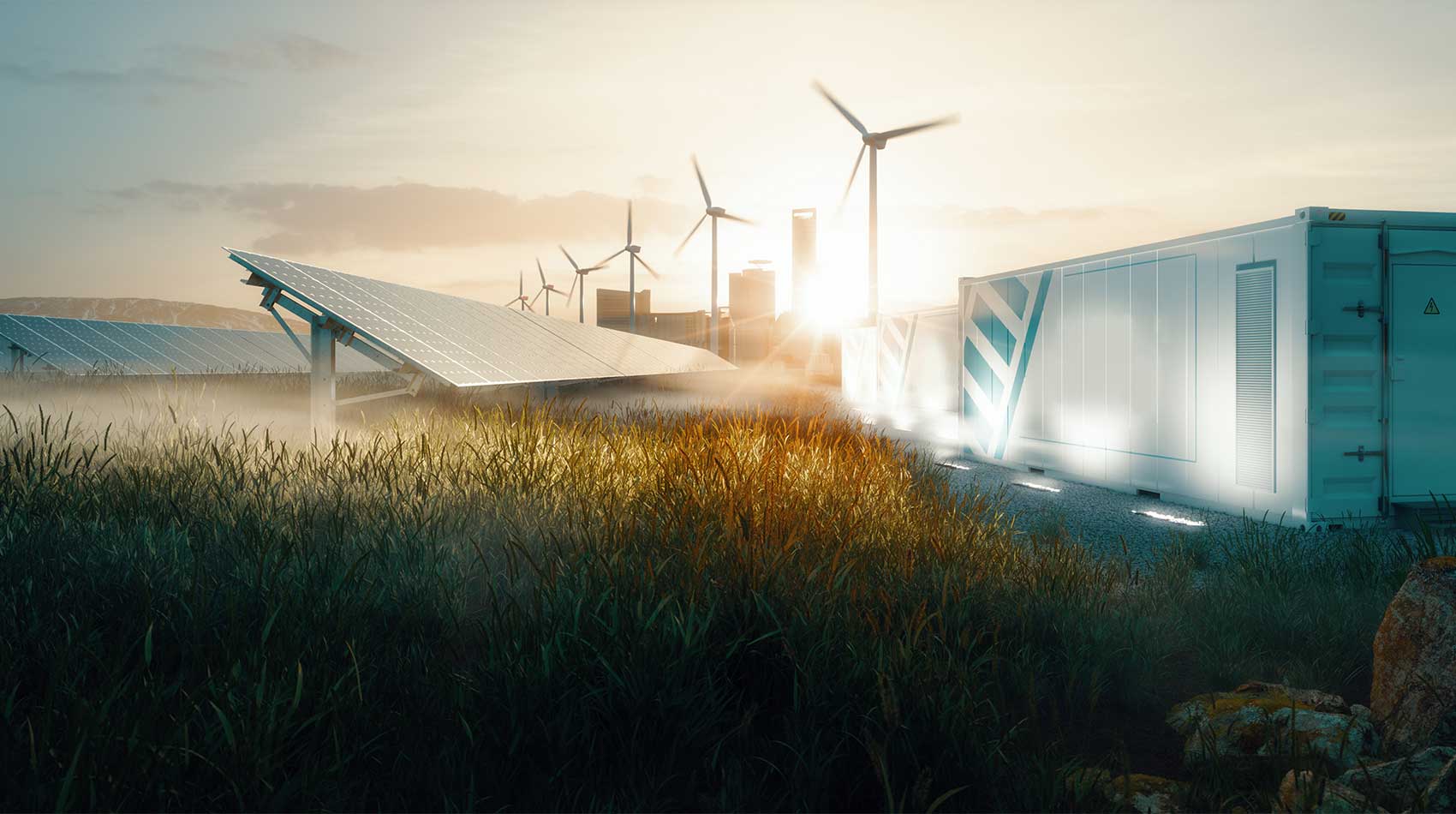
Energy Storage System (ESS) is a generic term that covers any method, technology, or installation capable of capturing energy at one time for use at a later time. The energy can be stored in various forms—chemical, mechanical, thermal, electrochemical, or electrical—and the system encompasses all components required for the storage, conversion, and management of that energy.
Categories of ESS Technologies:
Mechanical Storage:
- Pumped Hydro Storage (PHS): Water is pumped to an upper reservoir during low-demand periods and released through turbines during peak demand. This is the most widely deployed form of grid-scale energy storage globally, accounting for over 90% of installed capacity.
- Compressed Air Energy Storage (CAES): Air is compressed and stored in underground caverns, then expanded through turbines to generate electricity.
- Flywheel Energy Storage: Kinetic energy is stored in a rotating mass, providing rapid response times for frequency regulation and power quality applications.
Electrochemical Storage (BESS):
- Lithium-ion batteries
- Lead-acid batteries
- Flow batteries (vanadium redox, zinc-bromine)
- Sodium-sulfur batteries
- Nickel-cadmium batteries
Thermal Storage:
- Molten salt storage (commonly paired with concentrated solar power plants)
- Ice or chilled water storage for building cooling
- Phase change materials
Chemical Storage:
- Hydrogen production via electrolysis, storage, and reconversion via fuel cells
- Synthetic natural gas
Electrical Storage:
- Supercapacitors (ultracapacitors) for short-duration, high-power applications
- Superconducting magnetic energy storage (SMES)
Key Characteristics of ESS as a Concept:
When referring to an ESS, the focus is typically on the system’s function—storing energy—rather than the specific technology employed. An ESS can be as small as a residential thermal storage unit or as large as a national-scale pumped hydro facility. The term encompasses the entire installation: the storage medium, power conversion systems, control systems, thermal management, and all auxiliary equipment.
BESS: The Battery-Focused Subset
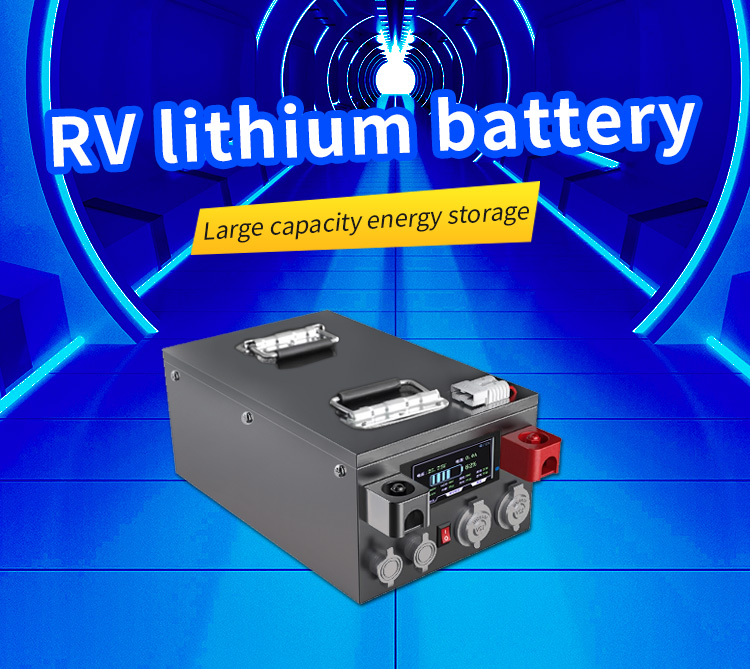
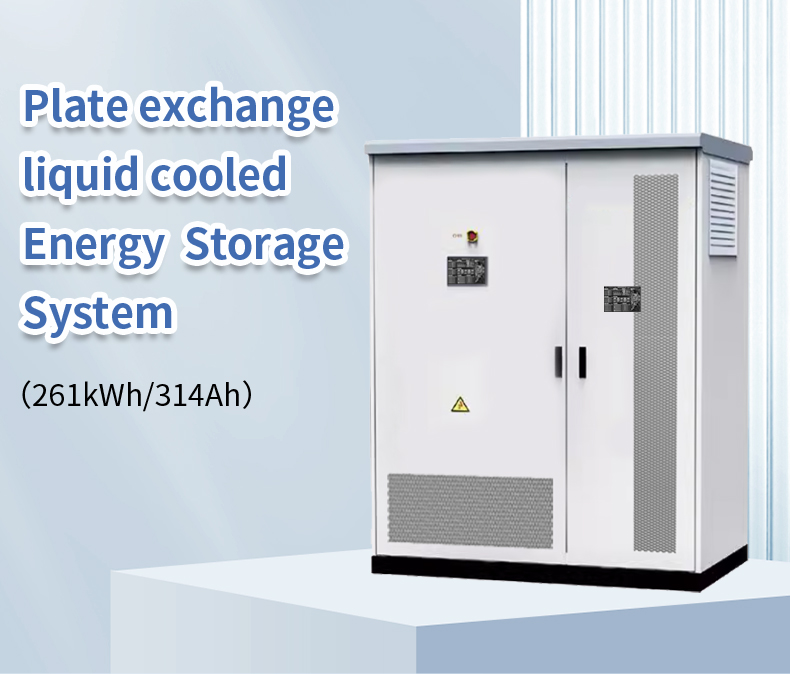
Battery Energy Storage System (BESS) refers specifically to ESS that utilize electrochemical batteries as the storage medium. In contemporary energy discourse, BESS has become synonymous with lithium-ion battery systems, though the term technically includes all battery chemistries.
Components of a BESS:
A complete BESS typically consists of four key subsystems:
Battery Pack/Module: The fundamental storage unit, composed of individual cells arranged in series and parallel configurations to achieve desired voltage and capacity.
Battery Management System (BMS): The “brain” of the battery pack, responsible for monitoring cell voltages, temperatures, and state of charge; balancing cells; and protecting against overcharge, over-discharge, and thermal runaway.
Power Conversion System (PCS): The inverter and associated equipment that converts DC power from the batteries to AC power for the grid or load, and vice versa for charging.
Energy Management System (EMS): The control software that determines when to charge and discharge based on economic signals, grid conditions, operational requirements, and system constraints.
Balance of System (BOS): Thermal management (cooling/heating), fire suppression, enclosures, switchgear, and grid interconnection equipment.
Key Characteristics of BESS:
BESS is distinguished by its modularity, scalability, and rapid response characteristics.
Why the Distinction Matters
Understanding the difference between ESS and BESS is important for several practical reasons:
Technology Selection: A project described as “ESS” invites consideration of all storage technologies. A project specified as “BESS” narrows the field to battery solutions. For grid-scale applications, the optimal choice might be pumped hydro where geography permits, BESS for fast-response applications, or hybrid combinations of multiple technologies.
Duration and Application Fit: Different ESS technologies suit different applications. BESS typically excels at durations from minutes to 4-8 hours. Pumped hydro and CAES are suited for longer durations (8-24 hours). Hydrogen storage can provide seasonal shifting. Referring to a system as “ESS” without specifying technology obscures these capability differences.
Regulatory and Safety Considerations: Codes, standards, and permitting requirements vary significantly across storage technologies. Fire codes for BESS differ from those for hydrogen storage. Environmental permitting for pumped hydro differs from that for battery systems. Proper classification ensures appropriate regulatory pathways.
Market and Policy Context: Renewable energy integration mandates, capacity market rules, and incentive programs often specify eligible storage technologies. Some programs are technology-agnostic (ESS), while others target specific technologies like BESS for behind-the-meter applications.
The Blurring Lines: Modern Usage
In practice, the distinction between ESS and BESS has become somewhat blurred in certain contexts. Several factors contribute to this:
Dominance of Batteries: Lithium-ion BESS currently dominates new energy storage deployments, particularly in behind-the-meter, commercial, and grid-scale applications under 100 MW. As a result, many industry professionals routinely use “ESS” when they specifically mean “BESS.”
Hybrid Systems: Modern systems increasingly combine multiple storage technologies. A facility might pair BESS with hydrogen storage, or flywheels with batteries. These hybrid ESS challenge simple categorization.
Vendor Marketing: Equipment manufacturers often market their products as “ESS” regardless of technology, preferring the broader term to encompass future product lines and applications.
Conclusion: Precision in an Evolving Field
The distinction between ESS and BESS is fundamentally one of scope versus specificity. ESS is the inclusive category that welcomes all forms of energy storage—mechanical, thermal, chemical, electrochemical, and electrical. BESS is the electrochemical subset that has, for now, captured the greatest market attention and deployment momentum.
For project developers, policymakers, and investors, maintaining this distinction matters. An ESS requirement in a request for proposals invites innovation across storage technologies. A BESS specification signals a commitment to battery-based solutions with their characteristic response times, durations, and cost structures. Using the terms with precision ensures that projects are appropriately scoped, technologies are fairly evaluated, and storage assets deliver the services they were designed to provide.
As the energy storage field continues to evolve—with new technologies emerging and hybrid systems becoming more common—the relationship between ESS and BESS will likely grow more complex. But the fundamental principle remains: BESS is a subset of ESS, and understanding the full universe of storage possibilities begins with getting the terminology right.