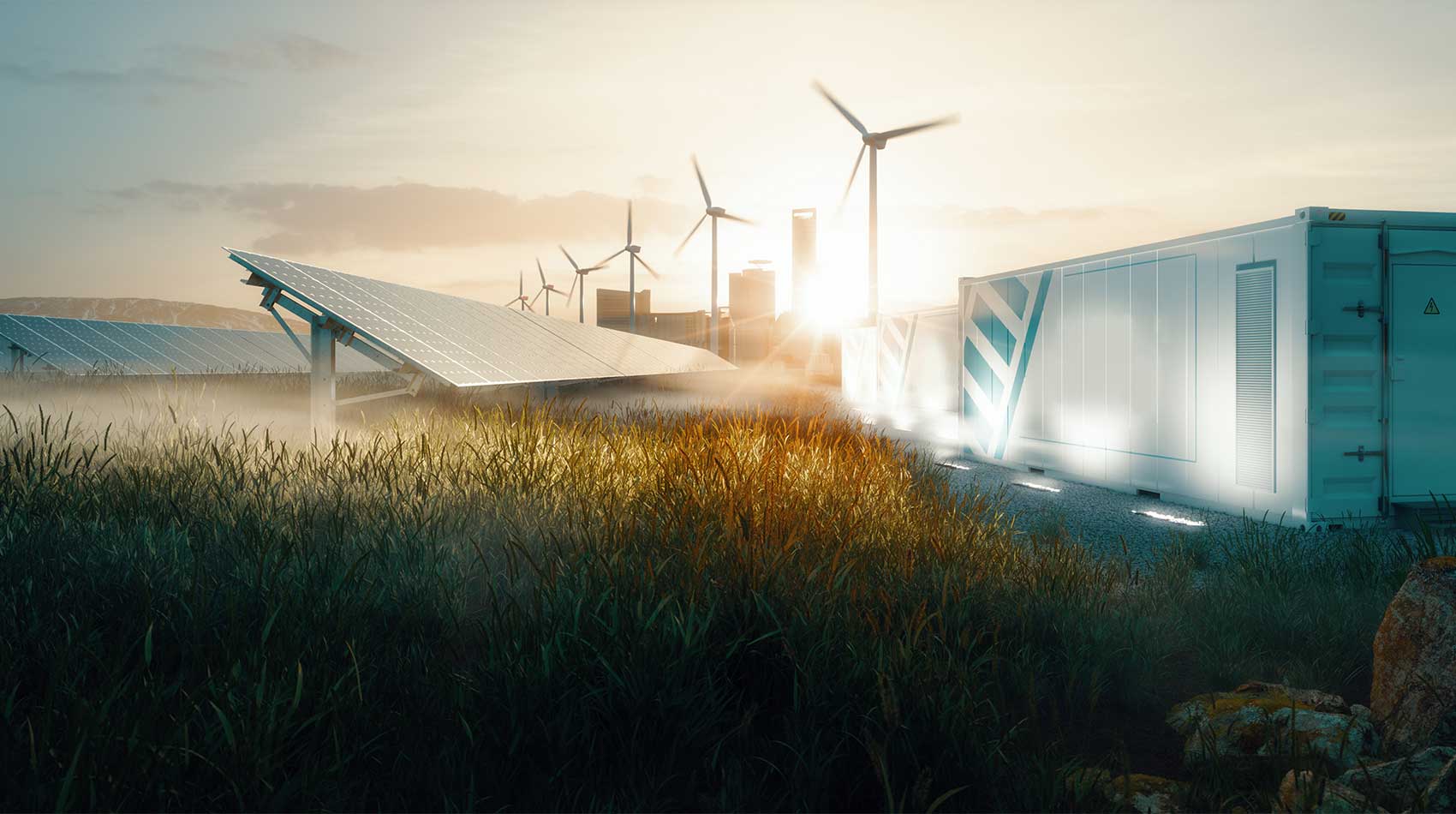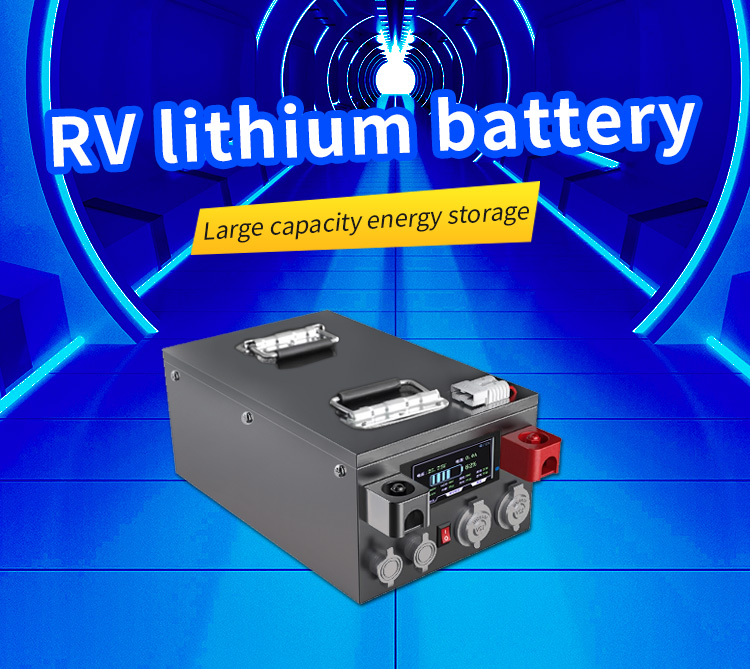


An energy storage system (ESS) is a technology that captures energy produced at one time for use at a later time. It acts as a buffer or a bridge, helping to balance the mismatch between energy supply and energy demand. In simple terms, it is like a large, sophisticated rechargeable battery for the power grid, a home, or an industrial facility, though battery technology is just one of many forms it can take.
Energy storage is not a new concept. For centuries, humans have stored energy in various forms—a dam holding water behind a wall (gravitational potential energy), a coiled spring in a clock (mechanical energy), or a pile of wood (chemical energy). What has changed dramatically in recent decades is the scale, sophistication, and critical importance of these systems in modern society.
Why is Energy Storage Essential?
The modern push for energy storage is driven by two major trends:
The Growth of Renewable Energy:
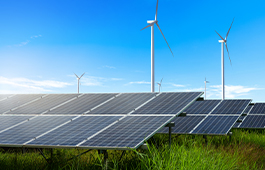
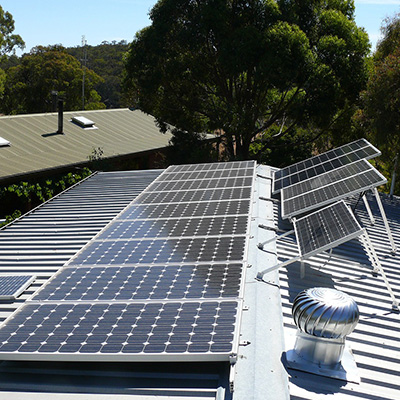
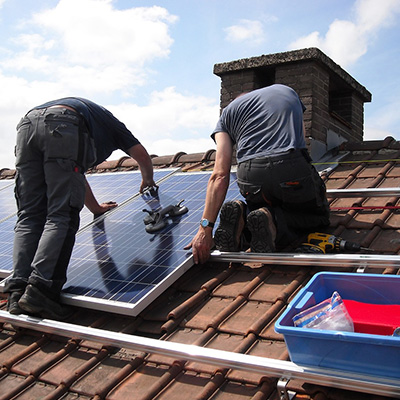
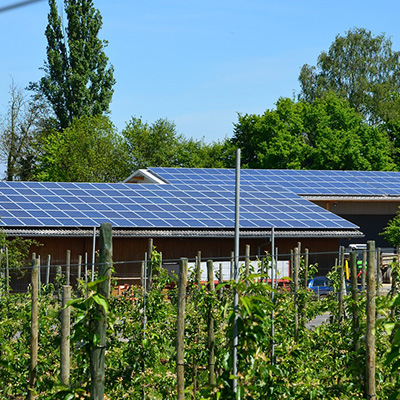
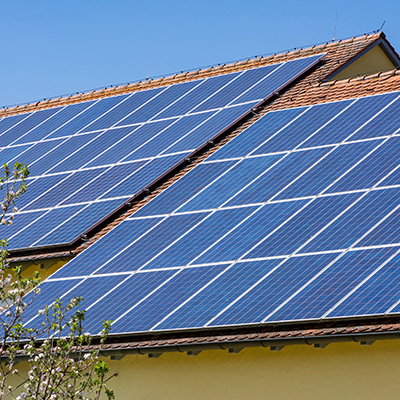
Solar and wind power are intermittent. The sun does not always shine, and the wind does not always blow. An ESS captures excess energy produced during peak sunny or windy periods and releases it when production drops but demand remains high. Without storage, renewable energy sources cannot provide the consistent, reliable power that a modern grid requires.
Grid Modernization and Resilience:
Traditional power grids operate on a “just-in-time” model, where electricity must be generated the instant it is used. Energy storage allows grids to operate more efficiently by smoothing out fluctuations, reducing the need for expensive “peaker” plants (which run only during high demand), and providing backup power during outages.

Types of Energy Storage Systems
Energy storage technologies are diverse, each with its own strengths, weaknesses, and ideal applications. They can be broadly categorized into five main groups:
1. Mechanical Storage
These systems store energy in the form of kinetic or potential energy.
Pumped Hydro Storage (PHS):
This is the oldest and most widely used form of grid-scale storage, accounting for over 90% of the world’s energy storage capacity. It works by pumping water from a lower reservoir to an upper reservoir when energy is abundant and cheap. When energy is needed, the water is released back down through turbines, generating electricity, much like a conventional hydroelectric dam. Its main limitation is the need for specific geographical features (two reservoirs at different elevations) and a large land footprint.
Compressed Air Energy Storage (CAES):
This system uses excess electricity to compress air and store it, typically in underground caverns or salt domes. When power is needed, the compressed air is heated and expanded through a turbine to generate electricity. CAES is suitable for large-scale, long-duration storage but has lower round-trip efficiency compared to batteries or pumped hydro.
Flywheel Energy Storage:
A flywheel stores energy in a rotating mass. Electricity is used to spin a heavy rotor at extremely high speeds, storing energy as rotational kinetic energy. When power is needed, the rotor’s inertia drives a generator. Flywheels excel at providing very fast bursts of power for short durations, making them ideal for grid frequency regulation and uninterruptible power supplies (UPS).
2. Electrochemical Storage (Batteries)
This is the most familiar and fastest-growing category of energy storage.
Lithium-Ion Batteries:
Dominating the market due to their high energy density, long cycle life, and falling costs, lithium-ion batteries are used in everything from electric vehicles (EVs) to home storage (like the Tesla Powerwall) and large-scale grid projects. They are highly efficient but require sophisticated thermal management systems to ensure safety and longevity.
Flow Batteries:
Unlike solid-state batteries, flow batteries store energy in liquid electrolytes contained in external tanks. The power and energy capacity can be scaled independently (by increasing the size of the tanks), making them excellent for long-duration storage (4-12 hours) that is critical for integrating high levels of renewables.
Other Battery Types:
Lead-acid batteries are mature and low-cost but have a shorter lifespan. Sodium-sulfur (NaS) batteries are used for large-scale grid applications due to their high energy density and long duration, but they operate at very high temperatures.
3. Electromagnetic Storage
Supercapacitors:
Also known as ultracapacitors, these devices store energy in an electric field. They can charge and discharge extremely quickly (within seconds) and have an exceptionally long cycle life. Their main drawback is very low energy density. They are often used in conjunction with batteries to provide the rapid bursts of power needed for grid stability or in regenerative braking systems.
4. Thermal Storage
This technology stores energy in the form of heat or cold.
Sensible Heat Storage:
Heats or cools a material (like water, molten salt, or rocks) without changing its phase. Concentrated solar power (CSP) plants often use massive tanks of molten salt to store the sun’s heat, allowing them to generate electricity for hours after sunset.
Latent Heat Storage:
Uses phase-change materials (PCMs), such as paraffin wax or certain salts, that absorb or release large amounts of energy when they change from solid to liquid or vice versa. This is used for building cooling/heating and some industrial applications.
Cryogenic Storage:
Uses electricity to liquefy air, which is then stored in a tank. When power is needed, the liquid air is released and expanded to drive a turbine.
5. Chemical Storage
Green Hydrogen:
This is emerging as a key technology for long-duration, large-scale storage. Excess renewable electricity is used to power an electrolyzer, which splits water into hydrogen and oxygen. The hydrogen can be stored for weeks or months in tanks or salt caverns and then used in a fuel cell to generate electricity or burned directly for heat. Hydrogen offers the potential to decarbonize not only the power sector but also heavy industry and transportation.
Key Components of a Modern ESS
A complete energy storage system is more than just the storage medium itself. It typically consists of:
The Storage Medium:
The battery, flywheel, tank of molten salt, etc.
Power Conversion System (PCS):
Includes the inverter and other power electronics that convert electricity from alternating current (AC) to direct current (DC) for storage and back to AC for release onto the grid or for use in a building.
Battery Management System (BMS):
A sophisticated electronic system that monitors voltage, current, temperature, and state of charge to ensure safe and optimal operation of the storage medium.
Energy Management System (EMS):
The software platform that controls the entire system, deciding when to charge, when to discharge, and how to optimize the system’s performance based on economic signals, grid conditions, and user needs.
Balance of System:
This includes the housing, cooling/heating systems, safety equipment, and all the wiring and connections that make the system functional.
The Future of Energy Storage
Energy storage is no longer a niche technology; it is a foundational pillar of the 21st-century energy system. As the world transitions to a decarbonized economy, the role of ESS will continue to expand.
Key trends shaping the future include:
Longer Duration Storage:
Developing technologies that can provide clean energy for days, not just hours, to protect against extended periods of low wind or solar output.
Distributed Storage:
Integrating millions of home and business storage systems, as well as electric vehicles (which are essentially “batteries on wheels”), into a virtual power plant that can support the larger grid.
Supply Chain Diversification:
Reducing reliance on specific materials (like lithium and cobalt) by developing new battery chemistries such as sodium-ion and solid-state batteries.
Digitalization:
Using artificial intelligence (AI) to predict energy demand and renewable generation with greater accuracy, optimizing storage operations for maximum value and efficiency.
In conclusion, an energy storage system is a versatile and critical technology that unlocks the full potential of renewable energy, strengthens the reliability of the power grid, and empowers individuals and businesses to manage their energy use with greater independence and efficiency. As costs continue to fall and technology advances, energy storage is set to become as ubiquitous as the electric grid itself.