
What Exactly Is BESS?
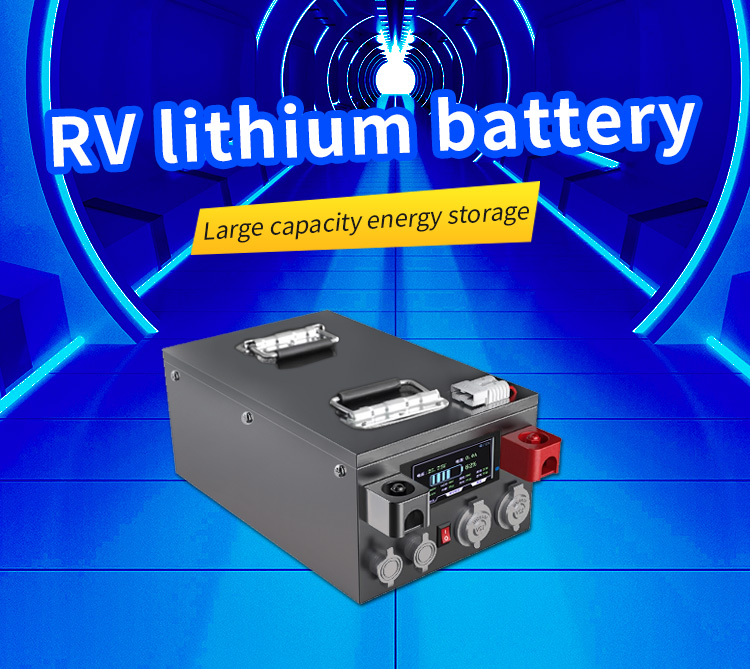
BESS stands for Battery Energy Storage System—an integrated solution of batteries, power conversion electronics, and intelligent software that stores electricity for later use. These systems range from small home units (5-20 kWh) to massive utility installations exceeding 1,000 MWh, capable of powering entire towns for hours. Unlike simple backup batteries, a BESS responds to grid signals in milliseconds, charges from renewables, and discharges precisely when energy is most valuable.
The core mission of BESS is time-shifting—capturing solar energy during midday glut and releasing it during evening peaks when demand surges. This capability transforms variable renewables like solar and wind into dispatchable resources that grid operators can actually count on for reliable power delivery. Without BESS deployment, most electricity grids would cap renewable penetration below 30% due to instability and reliability concerns.
Key Components of a Modern BESS
Battery racks form the physical storage foundation, typically using lithium iron phosphate (LFP) chemistry for utility-scale projects because of its thermal stability and 6,000+ cycle life. Each rack contains hundreds of cells connected in series and parallel, housed in climate-controlled enclosures that maintain optimal temperatures between 20-35°C. The Battery Management System (BMS) monitors every cell’s voltage, temperature, and state of charge, performing balancing to prevent weak cells from dragging down overall capacity.
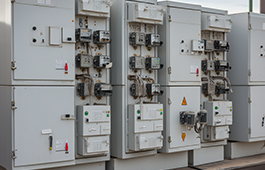
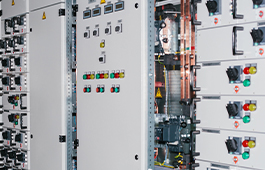
Power Conversion Systems (PCS) serve as the bidirectional bridge between the battery’s direct current and the grid’s alternating current. These inverters achieve round-trip efficiencies exceeding 95%, converting DC to AC during discharge and AC to DC during charge. Modular PCS architectures allow capacity expansion by adding modules, while redundancy ensures that a single inverter failure never takes the entire system offline.
The Energy Management System (EMS) functions as the BESS brain, optimizing dispatch decisions based on market prices, weather forecasts, and grid conditions. EMS platforms run complex algorithms that balance multiple objectives simultaneously—maximizing arbitrage revenue, providing frequency regulation, and maintaining reserve capacity for emergencies. Cloud-based EMS solutions enable operators to manage hundreds of geographically dispersed BESS installations from a single control center.
Why BESS Is Essential for Modern Grids
Grid stability faces unprecedented challenges as coal and gas plants retire while variable renewables like solar and wind expand rapidly. Traditional generators provide physical inertia through spinning turbines that maintain frequency during disturbances, but renewables and BESS do not naturally contribute this stabilizing force. Advanced grid-forming inverters now enable BESS to synthetically replicate inertia, keeping frequency stable even when renewable penetration exceeds 80%.
Peak demand management represents one of the most profitable BESS applications, avoiding costly grid upgrades by flattening demand profiles. Instead of building new transmission lines for just a few hundred peak hours per year, utilities deploy BESS to charge during low-demand nights and discharge during high-demand afternoons. These systems defer infrastructure investments by years or even decades while improving grid reliability.
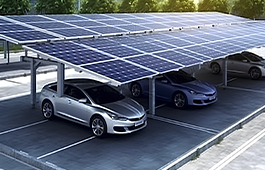
Renewable integration is the BESS mission that captures the most public attention—solar-plus-storage projects now outcompete new gas plants in many markets. In California, BESS installations have transformed the infamous “duck curve” into a manageable profile, storing midday solar glut and releasing it during evening ramping hours. Battery systems reduce gas plant starts, save millions in fuel costs, and deliver clean power when the sun doesn’t shine.
Primary Applications Across the Energy Landscape
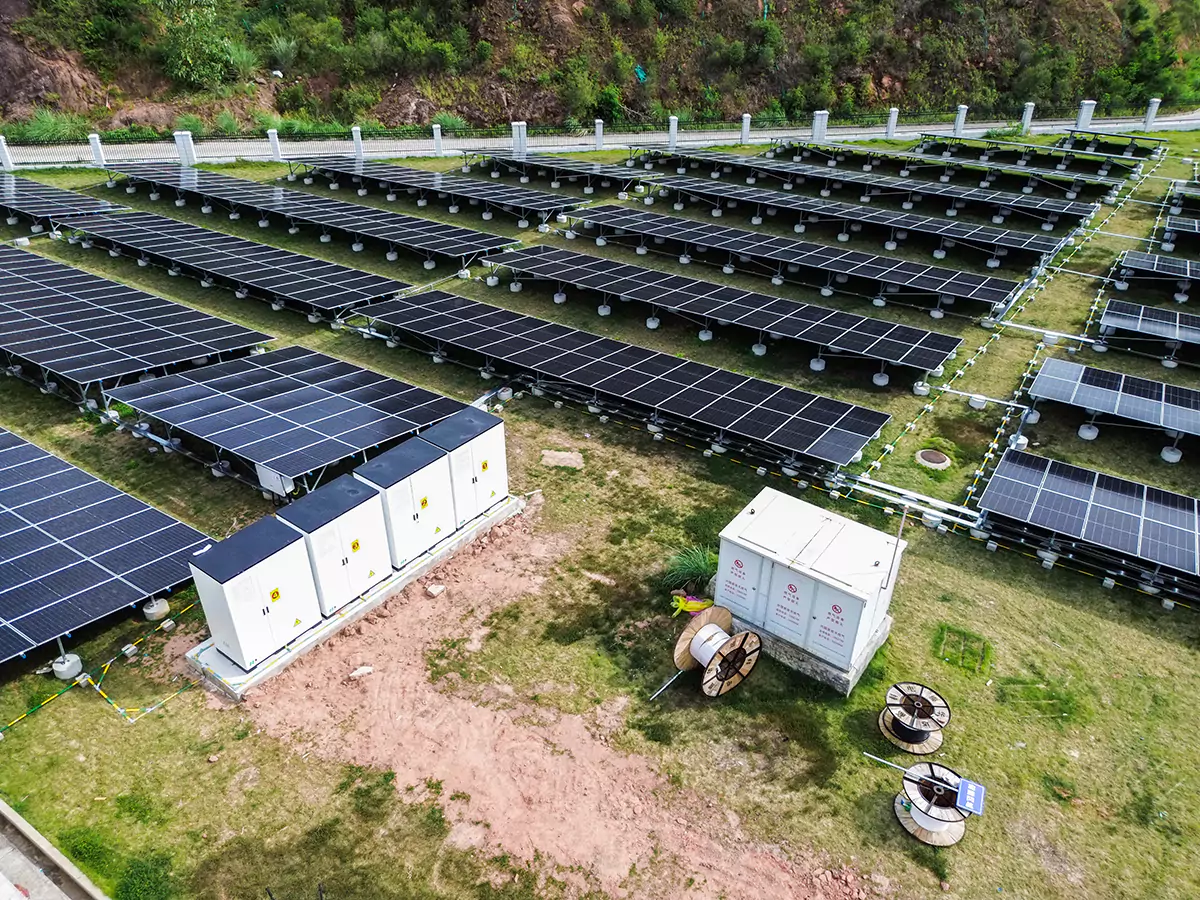
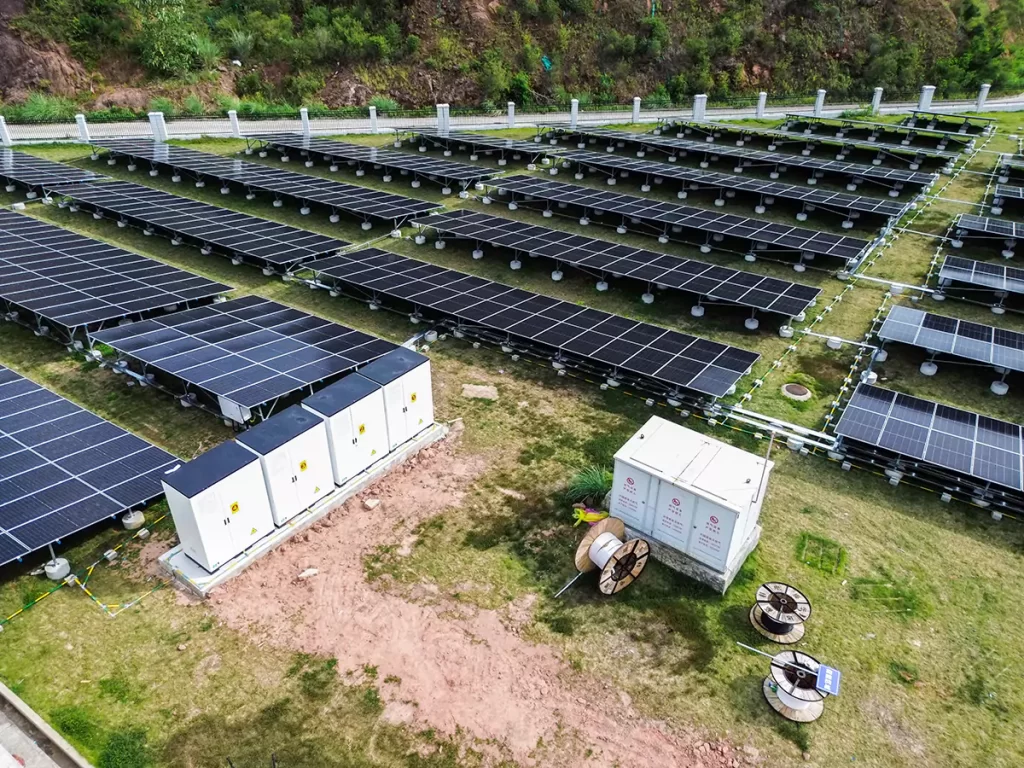
Utility-scale BESS dominates current deployment, with individual projects now exceeding 500 MW of power and 2,000 MWh of capacity. These giant systems typically sit adjacent to solar farms or substations, providing peak shaving, frequency regulation, and wholesale market arbitrage simultaneously. A well-operated 100 MW BESS in competitive markets like Texas can generate over $15 million annually by combining these revenue streams.
Commercial and industrial BESS serves factories, data centers, and retail stores seeking to reduce electricity costs and enhance resilience. These systems charge during low-price periods and discharge during expensive peak periods, directly cutting demand charges that account for 30-50% of large commercial bills. Blackout protection adds further value—when the grid fails, BESS seamlessly island facilities, maintaining critical operations until power returns.
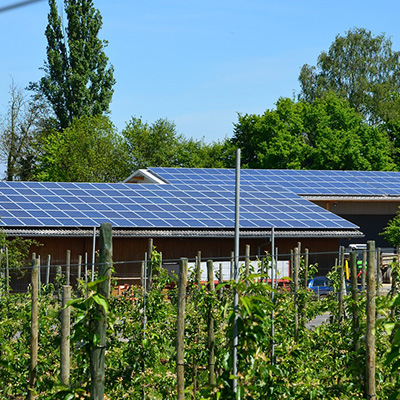
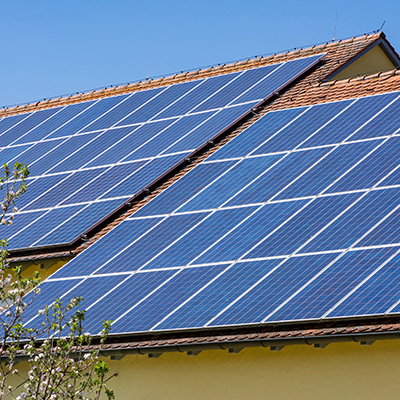
Residential BESS typically pairs with rooftop solar to boost self-consumption from 30% to 80%, reducing household electricity bills by 40-60%. Homeowners in time-of-use rate regions program systems to charge from solar during the day and power homes during expensive evening hours. Recent vehicle-to-home capabilities now enable electric cars to serve as mobile BESS units during outages.
Economics and Investment Returns
Capital costs for BESS have plummeted from over $1,000 per kWh in 2015 to under $200 per kWh today, with projections reaching $100 per kWh within three years. **These** falling costs have catalyzed exponential growth—global BESS capacity has more than doubled annually for five consecutive years. **At** $100 per kWh, BESS becomes cost-competitive with natural gas peaker plants on a levelized basis.
Revenue models typically combine multiple income streams: energy arbitrage (buying low, selling high), frequency regulation (responding to grid signals), capacity payments (being available when called), and carbon credits. Payback periods have compressed from 10-12 years to 4-7 years in current markets, attracting institutional capital that previously avoided storage as too risky. Battery warranties now guarantee 80% capacity after 10 years or 6,000 cycles, providing sufficient certainty for project finance.
Replacement costs must be factored into long-term economics, but end-of-life batteries retain significant residual value at 70-80% original capacity. These second-life batteries can serve lower-intensity applications like grid backup or frequency regulation for another 5-10 years. When replacement occurs, new cells typically offer higher density and lower cost, improving system economics in the second deployment.
Safety Standards and Risk Management
Thermal runaway remains the primary safety concern, but engineering solutions at every level address this comprehensively. Ceramic separators prevent internal shorts, flame barriers contain propagation between modules, and fire suppression systems detect and extinguish incidents early. Industry data shows battery fire frequency per installed capacity has declined over 80% in the last five years.
Fire protection systems use clean-agent extinguishers (such as Novec 1230) that suppress fires without damaging electrical equipment. Outdoor systems may deploy water-based deluge cooling to prevent propagation to adjacent cabinets during thermal events. International safety standards—UL 9540, NFPA 855, and IEC 62933—cover everything from cell quality to installation separation distances.
Site planning is the first line of defense, with clear separation from buildings and access paths for emergency vehicles specified by regulations. Regular inspection and testing of protective equipment ensures these systems function correctly when needed most. Emergency response plans, developed with local fire departments, define roles and procedures for effective incident mitigation.
Operational Best Practices for Longevity
Thermal management is paramount—keeping cells within the 20-35°C operating range extends battery life by 2-3 years compared to operation at 45°C. Active liquid cooling has replaced forced air in most large installations, delivering superior heat rejection with lower parasitic power consumption. Liquid cooling maintains cell-to-cell temperature differences under 3°C, ensuring balanced aging and maximum usable capacity.
Depth of discharge (DoD) optimization balances operational economics against cycle life—shallower discharges extend life but reduce revenue, deeper discharges maximize returns but accelerate aging. Intelligent EMS platforms adjust DoD limits dynamically based on market conditions and remaining warranty life. For systems intended for 20-year project lives, maintaining average DoD below 60% is typical.
Scheduled maintenance includes quarterly inspections of cooling systems, annual verification of contactor operation, and periodic calibration of measurement transducers. Capacity testing annually provides the definitive measure of BESS health, comparing actual discharge capacity against nominal ratings. When capacity falls below 80% of rated, the warranty process can be triggered to recover significant replacement costs.
Market Trends and Policy Drivers
The Inflation Reduction Act in the United States has transformed the BESS market, providing a 30% Investment Tax Credit for stand-alone storage systems. This policy change unlocked billions in capital investment, launching projects that were previously economically marginal. Similar momentum from the EU’s REPowerEU plan targets 200 GW of storage by 2030.
The UK’s Capacity Market and Frequency Response programs illustrate how market design drives storage deployment through transparent pricing and long-term contracts. Australia, with its rapidly retiring coal fleet and high solar penetration, has become a global laboratory for BESS deployment patterns. State-level mandates like New York’s 6 GW target and California’s 10 GW goal provide concrete demand signals sustaining manufacturing investments.
Supply chain considerations have become strategic, with China dominating battery cell manufacturing but regional diversification underway in the US and Europe. Domestic content requirements in subsidy programs encourage new manufacturing investment, though currently at higher cost than Asian imports. Raw material availability—particularly lithium, cobalt, and graphite—demands responsible mining and aggressive recycling efforts to meet projected demand sustainably.
Future Innovations and Industry Evolution
Second-life applications for retired BESS modules create new market segments, with EV batteries finding renewed purpose in stationary storage for 5-10 more years. These systems often serve in frequency regulation where high power response rather than high energy is paramount. Valuing this second-life revenue stream improves first-deployment economics and reduces overall lifecycle costs.
Hybrid systems combining BESS with hydrogen, supercapacitors, or flywheels are being developed for applications requiring both fast response and long duration. A lithium battery handles the initial frequency dip (seconds to minutes), then a hydrogen fuel cell provides sustained backup (hours to days). These hybrids may dominate off-grid and long-duration applications where no single technology optimally serves all requirements.
Digitalization is accelerating across every BESS element—machine learning enables predictive maintenance, optimized bidding algorithms maximize revenue, and drone inspections reduce costs. The days of BESS as a “black box” are ending, with tomorrow’s systems becoming fully transparent and remotely optimizable. Operators will access every measured parameter in real-time, making data-driven decisions that squeeze maximum value from every cycle.
The Essential Infrastructure Pillar
BESS has evolved from a niche grid technology to a cornerstone of energy infrastructure, comparable to transmission lines or power plants in importance. The versatility of batteries across all time scales—from microsecond frequency response to seasonal shifting—makes them the most adaptable infrastructure asset. As the world commits to carbon neutrality by 2050, BESS will balance increasingly renewable grids and power communities through extreme weather events.
Realizing this vision requires continued investment in technology, manufacturing scale, and regulatory frameworks that value flexibility and speed. Markets that assign appropriate price signals to storage services will attract the capital needed for necessary deployment levels. Where policies lag, deployment underperforms potential, leaving clean energy underutilized and climate goals harder to reach.
Ultimately, BESS is not just a storage device—it is a platform for a cleaner, more resilient, and equitable energy system. When communities store their own renewable energy, they gain independence from volatile fuel markets and aging transmission infrastructure. With sustained commitment across sectors, BESS will help write the next chapter in energy sustainability, balancing what nature provides with what civilization demands.