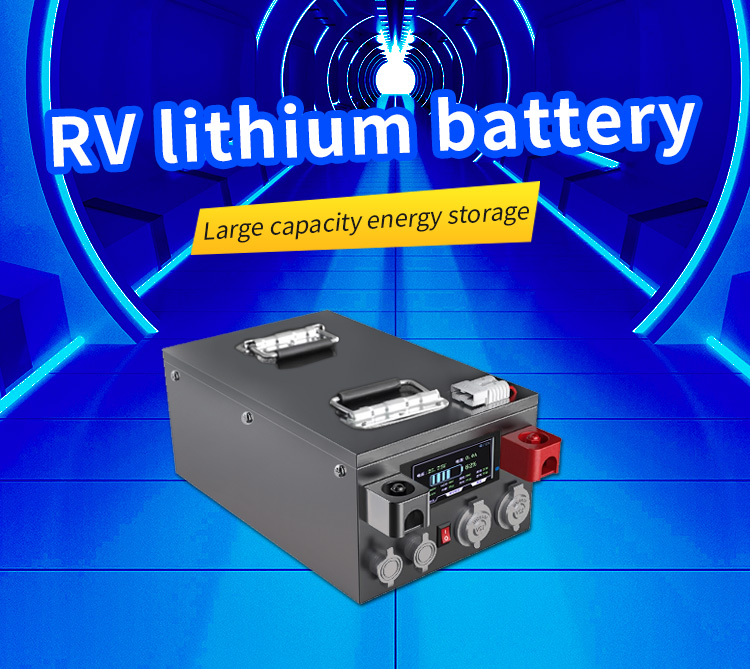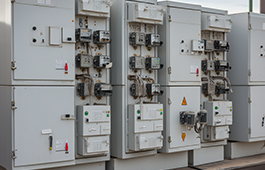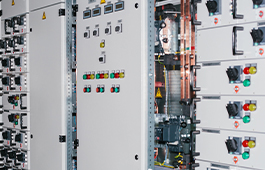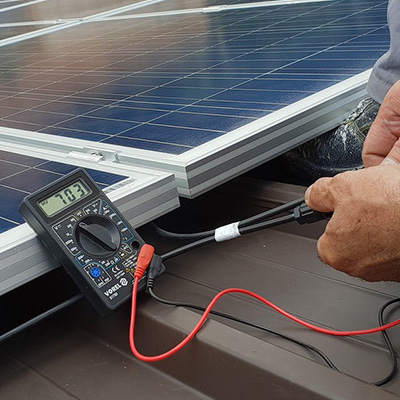

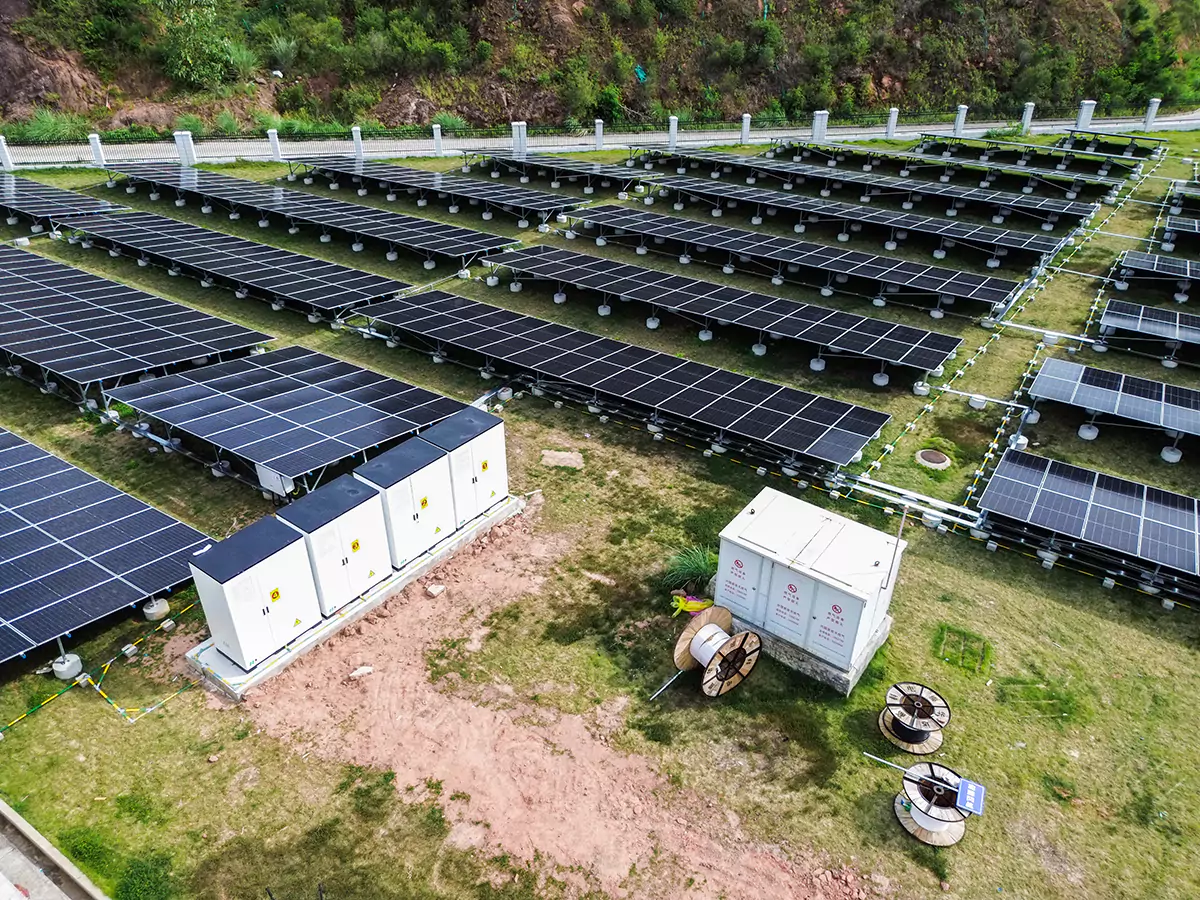
Battery Energy Storage Systems (BESS) have become a cornerstone of the modern energy transition. They enable the integration of renewable sources like solar and wind into the grid, provide backup power, and help stabilize electricity networks. However, as the deployment of BESS scales up rapidly worldwide, it is essential to understand the risks associated with these systems. From thermal runaway to cybersecurity threats, the hazards are real and must be managed carefully.
1. Thermal Runaway and Fire Risk
The most discussed risk of BESS is thermal runaway — a chain reaction in which a battery cell overheats, catches fire, or explodes, subsequently triggering adjacent cells. This is particularly concerning for lithium-ion batteries, which are the dominant technology in most BESS installations.
Causes of thermal runaway include:
- Internal short circuits caused by manufacturing defects or dendrite growth
- Overcharging or over-discharging beyond safe voltage limits
- Physical damage to cells during transportation, installation, or operation
- Exposure to extreme external temperatures or improper cooling
Once thermal runaway begins, it is extremely difficult to stop. Lithium-ion battery fires burn at very high temperatures (exceeding 1,000°C), release toxic and flammable gases (hydrogen fluoride, carbon monoxide, hydrogen), and can reignite hours or even days after being extinguished. In confined spaces such as containerized BESS units, this poses a severe hazard to personnel, emergency responders, and nearby facilities.
Several high-profile incidents have highlighted this risk. In 2021, a BESS facility in Victoria, Australia caught fire during commissioning testing, burning for three days and forcing evacuations. In 2019, multiple explosions at an Arizona BESS facility injured eight firefighters, with the investigation revealing that flammable gases had accumulated in an enclosed space before ignition.
2. Toxic Gas Release
Even without a full fire, damaged or overheating batteries can release hazardous gases. These include hydrogen fluoride (HF), a highly corrosive and lethal gas, as well as carbon monoxide, phosphine, and various volatile organic compounds.
The release of such gases poses risks to:
- On-site personnel during maintenance or malfunction events
- First responders arriving at an incident
- Nearby communities, depending on wind direction and containment measures
In some cases, the gases are odorless or only detectable at dangerous concentrations, making early warning difficult without specialized monitoring equipment.
3. Electrical Hazards
BESS units operate at high voltages and store enormous amounts of electrical energy. Even when the system appears to be offline, residual charge can remain. Electrical risks include:
- Arc flash – A sudden release of electrical energy that can cause severe burns, blast injuries, and ignition of nearby materials
- Electric shock – Direct contact with live components, which can be fatal
- Ground faults – Unintended current paths that may lead to equipment damage or fire
These hazards are particularly concerning during installation, maintenance, and decommissioning phases, when personnel may need to access enclosures, disconnect cables, or handle individual battery modules.
4. Environmental Risks
When BESS units fail, the environmental consequences can be significant. Electrolyte leaks from damaged batteries can contaminate soil and groundwater with heavy metals (cobalt, nickel, manganese, lithium) and organic solvents. Firefighting efforts — which often require large volumes of water — can spread these contaminants into surrounding ecosystems.
Additionally, if a BESS site experiences a catastrophic failure, the resulting fire or explosion may release particulate matter and toxic gases into the atmosphere. While not on the scale of a chemical plant disaster, these releases still represent a serious environmental incident, especially if the facility is located near sensitive areas such as water sources, farmland, or residential zones.
5. Cybersecurity Vulnerabilities
As BESS becomes increasingly connected to the grid and managed through remote monitoring platforms, cybersecurity risks grow. A successful cyberattack on a BESS could have consequences far beyond data theft:
- Manipulation of charge/discharge cycles – An attacker could force the system to charge at inappropriate times, causing grid instability or damaging the batteries
- Disabling safety systems – Shutting off cooling, monitoring, or emergency shutdown functions could trigger thermal runaway
- Overloading grid connections – Simultaneously discharging multiple BESS units could create power surges
- Extortion or sabotage – Threatening to damage or disrupt critical energy storage assets
As more BESS installations are integrated into critical infrastructure, they become attractive targets for hostile state actors, terrorists, or ransomware gangs.
6. Supply Chain and Manufacturing Risks
The rapid growth of the BESS market has led to intense pressure on battery manufacturers. This creates risks related to quality control:
- Inconsistent cell production – Minor manufacturing defects that would be acceptable in consumer electronics can be catastrophic when multiplied across thousands of cells in a BESS
- Counterfeit or substandard components – Pressure to reduce costs may lead some integrators to use uncertified cells, battery management systems, or thermal management hardware
- Lack of traceability – In complex global supply chains, it may be difficult to track which batch of cells came from which production line, complicating recalls or root-cause analysis after failures
7. Operational and Human Error Risks
No matter how well a system is designed, human error remains a significant risk factor. Common operational mistakes include:
- Incorrect configuration of charge/discharge parameters
- Failure to follow maintenance schedules, leading to undetected degradation
- Inadequate training for operators and maintenance personnel
- Ignoring early warning signs such as unusual temperature readings or gas detection alarms
Many documented BESS failures have been traced back not to a single technical flaw, but to a combination of design issues, installation errors, and operational neglect.
8. End-of-Life and Decommissioning Risks
BESS units do not last forever. Typical lithium-ion batteries have a useful life of 8 to 15 years, after which they must be decommissioned. The risks at this stage include:
- Safe discharge – Cells may still hold significant energy and must be safely discharged before handling
- Transportation hazards – Damaged or aged cells are more susceptible to thermal runaway during transport to recycling facilities
- Recycling challenges – Improper recycling methods can release toxic substances, while the lack of sufficient recycling capacity means many spent batteries are stored indefinitely, creating long-term liability
9. Regulatory and Insurance Gaps
Because BESS technology is evolving rapidly, regulations and insurance frameworks often lag behind. This creates its own category of risk:
- Inconsistent safety standards – Different jurisdictions apply different rules for siting, fire protection, ventilation, and emergency response planning
- Uncertain liability – In a multi-party incident involving battery manufacturer, system integrator, site operator, and grid operator, determining responsibility can be legally complex
- Insurance availability – Following high-profile fires, some insurers have become reluctant to cover BESS projects or have significantly increased premiums, potentially slowing deployment
Mitigation Strategies
Understanding the risks is only half the battle. Fortunately, many of these hazards can be effectively managed:
For thermal runaway and fire:
- Use cells from reputable manufacturers with rigorous quality control
- Implement multi-layered battery management systems (BMS) that monitor voltage, current, temperature, and internal resistance
- Design adequate spacing between cells and modules to prevent propagation
- Install gas detection, fire suppression (e.g., aerosol or water mist systems), and explosion venting
- Maintain emergency response plans and train local fire departments
For electrical safety:
- Follow proper lockout/tagout procedures during maintenance
- Use personal protective equipment (PPE) rated for arc flash hazards
- Design clear isolation points and emergency stop systems
For cybersecurity:
- Segment BESS networks from corporate IT networks
- Use strong authentication, encryption, and regular penetration testing
- Implement physical security to prevent unauthorized access to control interfaces
For operational excellence:
- Establish comprehensive training programs for all personnel
- Perform regular inspections and thermal imaging surveys
- Maintain detailed logs of alarms, faults, and maintenance actions
- Develop and practice emergency response drills
Conclusion
Battery Energy Storage Systems are not intrinsically unsafe, but they introduce risks that differ significantly from those of traditional power generation or chemical storage. The industry has learned hard lessons from fires, explosions, and near-misses around the world. Today, a mature understanding of these risks exists, and engineering standards are rapidly evolving to address them.
The key is proactive risk management. For project developers, this means selecting quality components, designing for safety rather than minimum cost, and engaging with local emergency services early. For regulators, it means updating codes and standards to keep pace with technology. For operators, it means relentless attention to training, maintenance, and monitoring.
As BESS continues to play a vital role in decarbonizing the world’s energy systems, managing its risks is not an optional extra — it is a fundamental responsibility. Those who succeed will unlock the enormous benefits of energy storage while protecting people, property, and the environment. Those who cut corners will eventually pay a much steeper price.