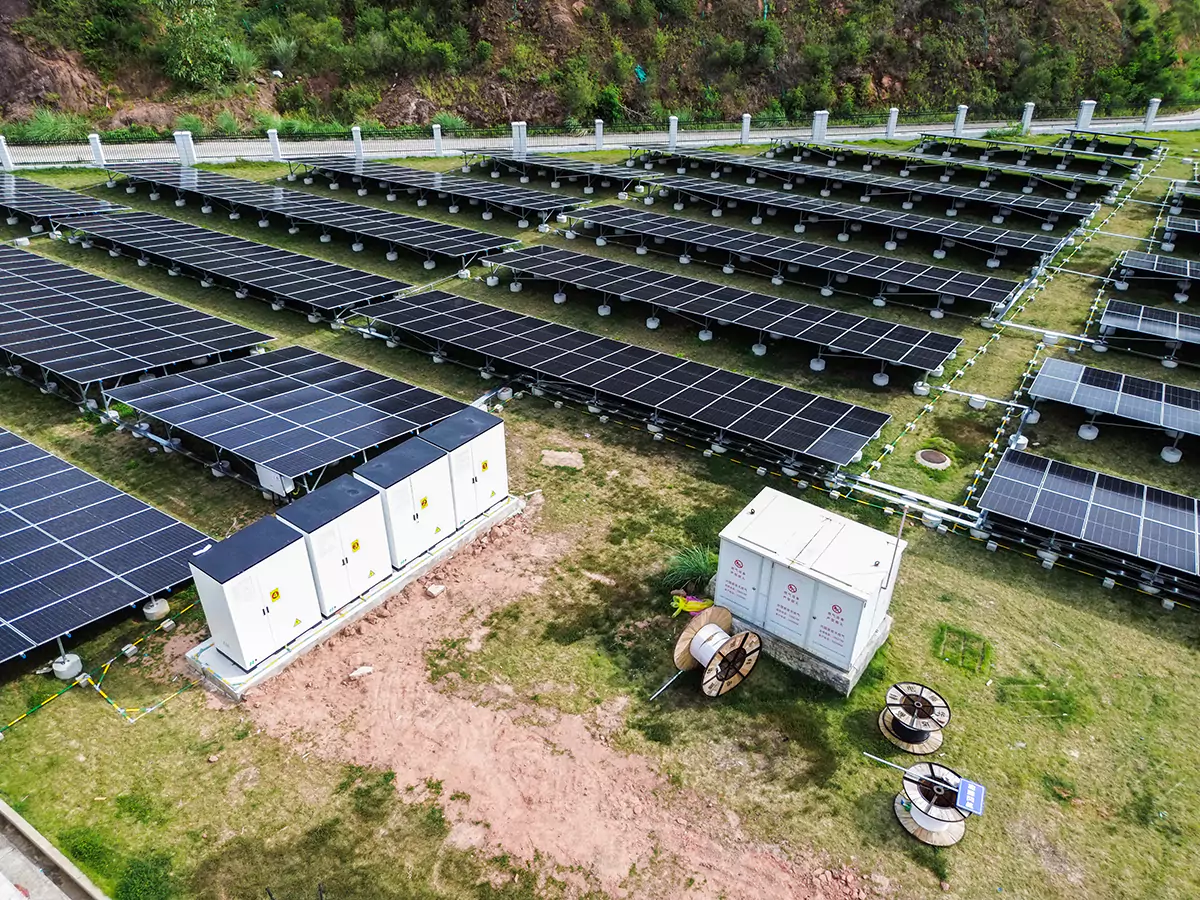
What a Battery Energy Storage System Does
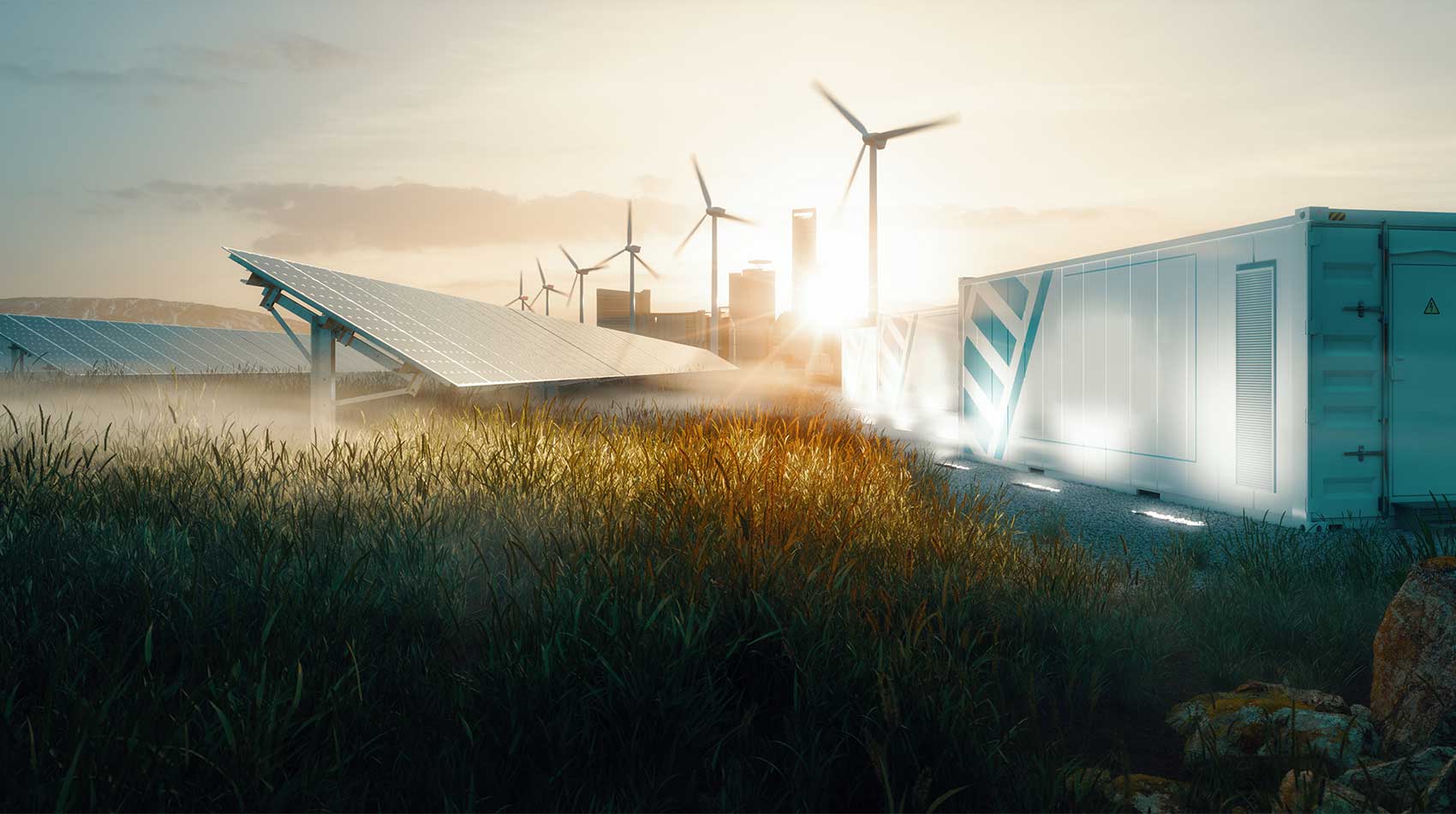
A battery energy storage system (BESS) stores electrical energy in rechargeable batteries and releases it when demand peaks or generation drops. These systems range from small residential units of a few kilowatt-hours to utility-scale installations exceeding 1,000 megawatt-hours. Unlike a simple backup battery, a BESS integrates power conversion, thermal management, and intelligent controls into one coordinated platform.
The core job of a BESS is to decouple electricity generation from consumption in time. When solar panels produce excess power at midday, the system charges its batteries instead of curtailing output. Later, when evening demand surges, the batteries discharge to meet the load without firing up gas peakers.
Core Components of a BESS
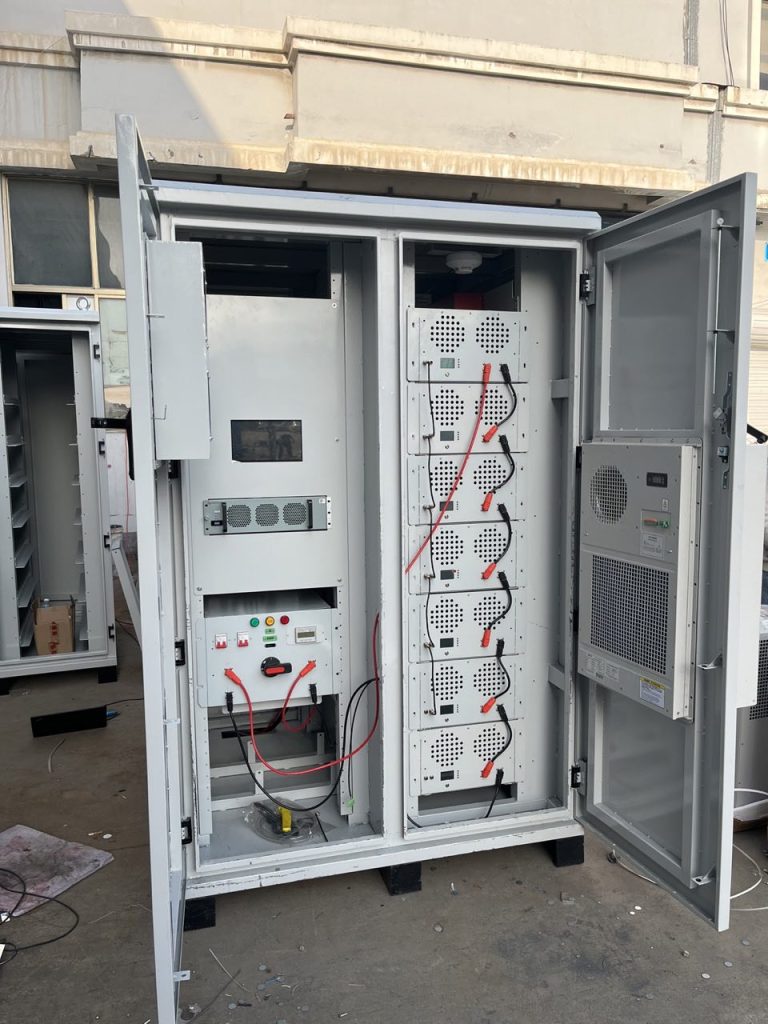
Battery racks form the storage core, typically using lithium iron phosphate (LFP) cells for stationary applications. Each rack contains hundreds of cells monitored by a battery management system (BMS) that tracks voltage, current, and temperature. The BMS also performs cell balancing to prevent weak cells from limiting overall capacity.
Power conversion systems (PCS) convert direct current from batteries to alternating current for the grid, and vice versa during charging. Modern PCS units achieve round-trip efficiencies above 95% and respond to grid signals within milliseconds. Modular designs allow capacity expansion by adding converter modules as needed.
Energy management systems (EMS) act as the brain, deciding when to charge, discharge, or hold based on prices, forecasts, and grid conditions. These platforms balance multiple revenue streams, including arbitrage, frequency regulation, and demand charge reduction. Cloud connectivity enables remote monitoring and fleet-wide optimization across many sites.
Main Applications of BESS
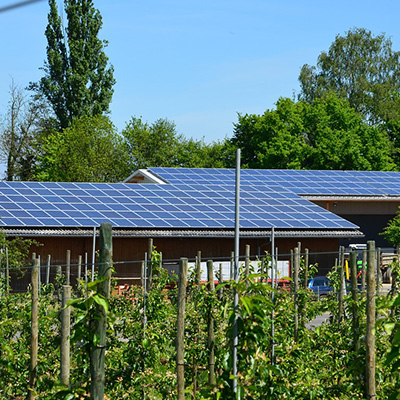
Utility-scale BESS provides grid services such as peak shaving, frequency regulation, and renewable smoothing. Projects in California and Texas now exceed 500 MW, storing midday solar power for evening release. These installations reduce reliance on natural gas peakers and improve grid reliability.
Commercial and industrial BESS helps factories, data centers, and retailers cut electricity bills through peak shaving and demand charge management. A typical system charges at night on low rates and discharges during expensive afternoon hours. Battery backup also protects critical operations during outages.
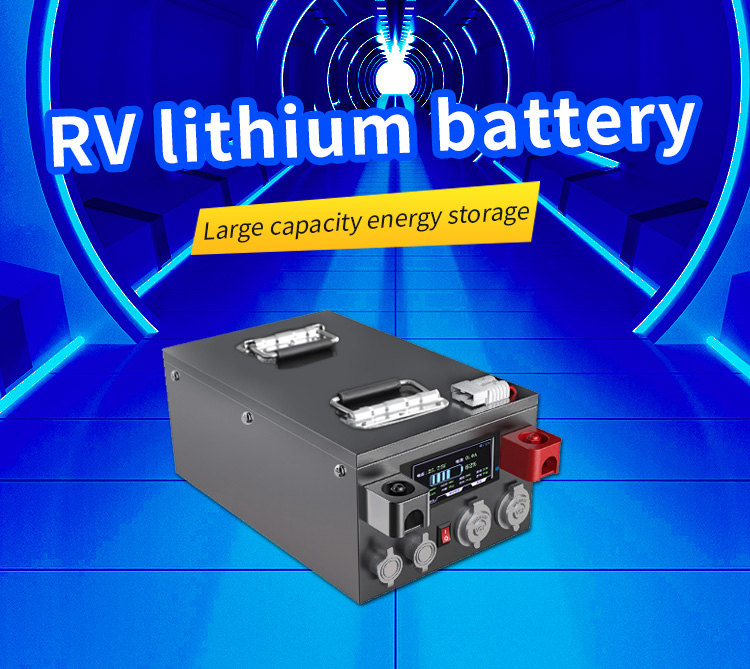
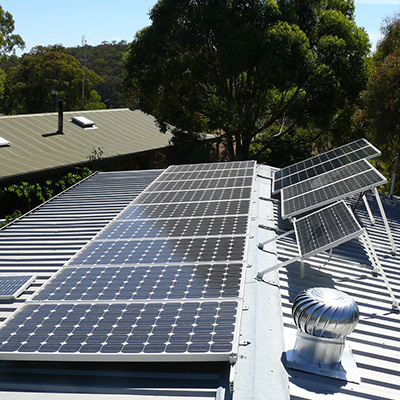
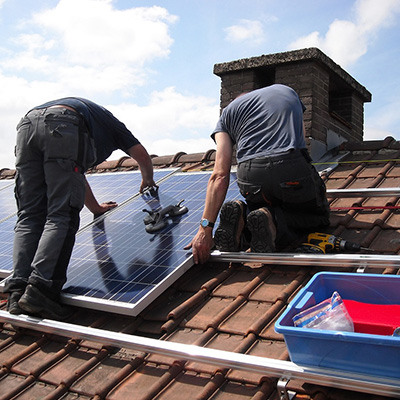
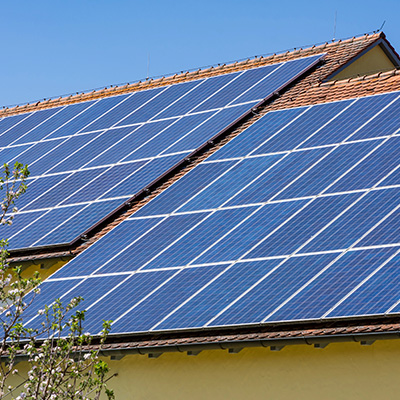
Residential BESS pairs with rooftop solar to increase self-consumption from 30% to over 80%. Homeowners in high-rate regions use stored solar power at night instead of buying from the grid. Some systems also provide backup power during blackouts, adding resilience beyond financial savings.
Key Performance Metrics
Round-trip efficiency measures how much energy comes out compared to what goes in, with good systems exceeding 85%. Higher efficiency means less waste and better economics for every charge-discharge cycle. Temperature control significantly affects this metric, since extreme heat or cold reduces performance.
Cycle life indicates how many charge-discharge cycles a battery can endure before capacity drops to 80% of its original value. LFP batteries typically deliver 6,000 cycles or more, translating to 15-20 years of daily use. Depth of discharge also matters, as deeper cycles accelerate degradation.
Response time defines how quickly a BESS can ramp power up or down, with modern systems reacting in under 100 milliseconds. This speed makes them ideal for frequency regulation, where fast response earns premium payments. Safety systems must also respond instantly to faults, isolating problems before they spread.
Safety and Standards
Thermal runaway is the primary safety concern, addressed through cell chemistry, module barriers, and cabinet-level fire suppression. Industry data shows fire frequency per installed capacity has fallen over 80% in five years. Standards such as UL 9540 and NFPA 855 guide design, installation, and emergency planning.
Separation distances, ventilation, and emergency shutdown features are required by code in most jurisdictions. Regular inspections verify that suppression systems, detectors, and disconnects remain functional. Training for first responders ensures they know how to handle battery fires safely.
Economic Outlook and Future Trends
Costs for BESS have fallen over 80% in the past decade, with utility-scale systems now below $200 per kWh. Analysts expect further declines as manufacturing scales and competition intensifies. Payback periods for commercial systems have shrunk to 4-7 years in favorable markets.
Long-duration storage is the next frontier, with flow batteries and compressed air competing for multi-hour applications. Second-life batteries from electric vehicles are also entering stationary storage, extending asset value. Artificial intelligence will optimize dispatch, predict maintenance, and extend system life.
Ultimately, BESS is no longer a niche technology but a foundational piece of the clean energy transition. It makes renewables dispatchable, grids more resilient, and businesses more energy-independent. As costs continue to fall, adoption will accelerate across every sector of the economy.