What Is a Battery Energy Storage System?
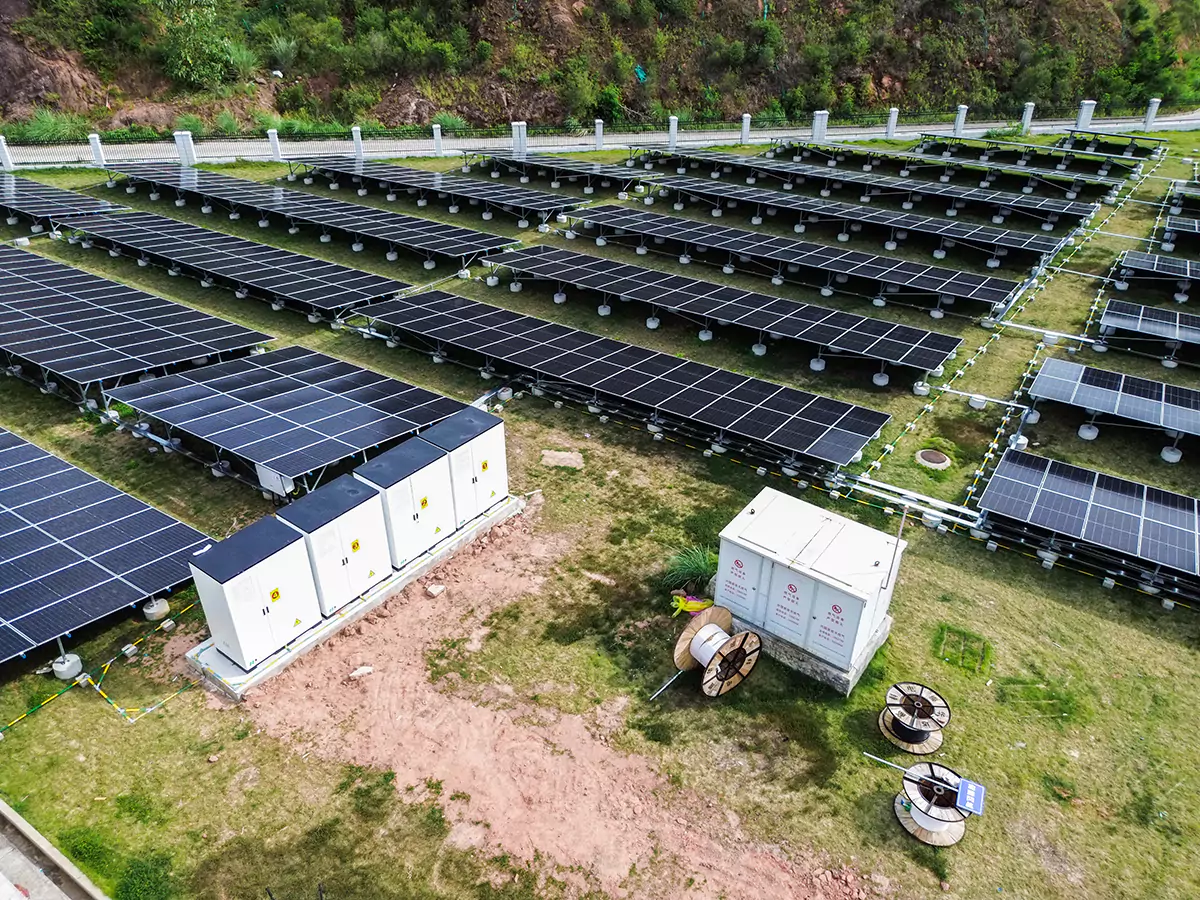
A battery energy storage system is a technology that stores electrical energy in rechargeable batteries for later use. It captures electricity when supply exceeds demand and releases it when demand exceeds supply. This capability solves the fundamental problem of electricity, which must be used the moment it is generated. A battery energy storage system acts like a giant power bank for homes, businesses, or the entire power grid.
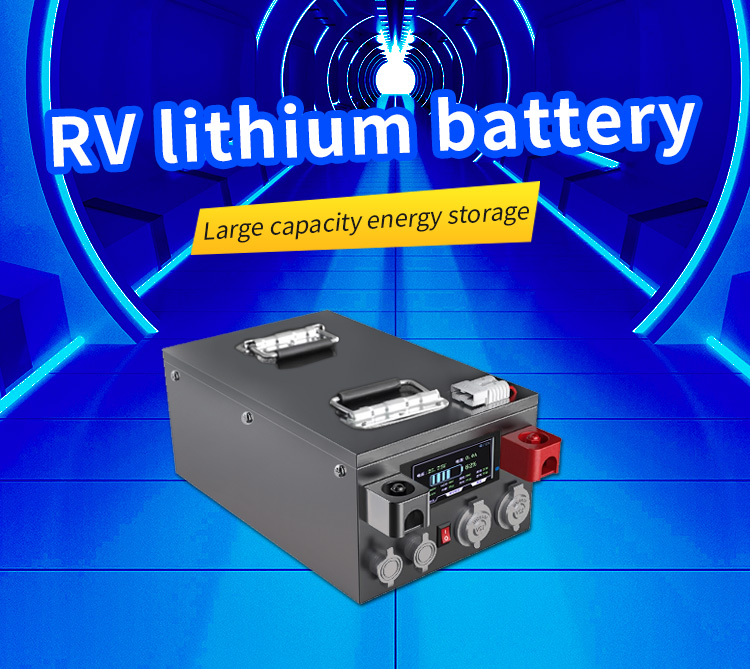
These systems consist of multiple battery modules, power conversion equipment, thermal management systems, and intelligent control software. The batteries are typically lithium-ion, similar to those in laptops and electric vehicles, but much larger in scale. A single system can range from a small wall-mounted unit for a home to a shipping-container-sized installation for utility applications. The core idea remains the same: store energy when it is cheap or abundant, and use it when it is expensive or scarce.
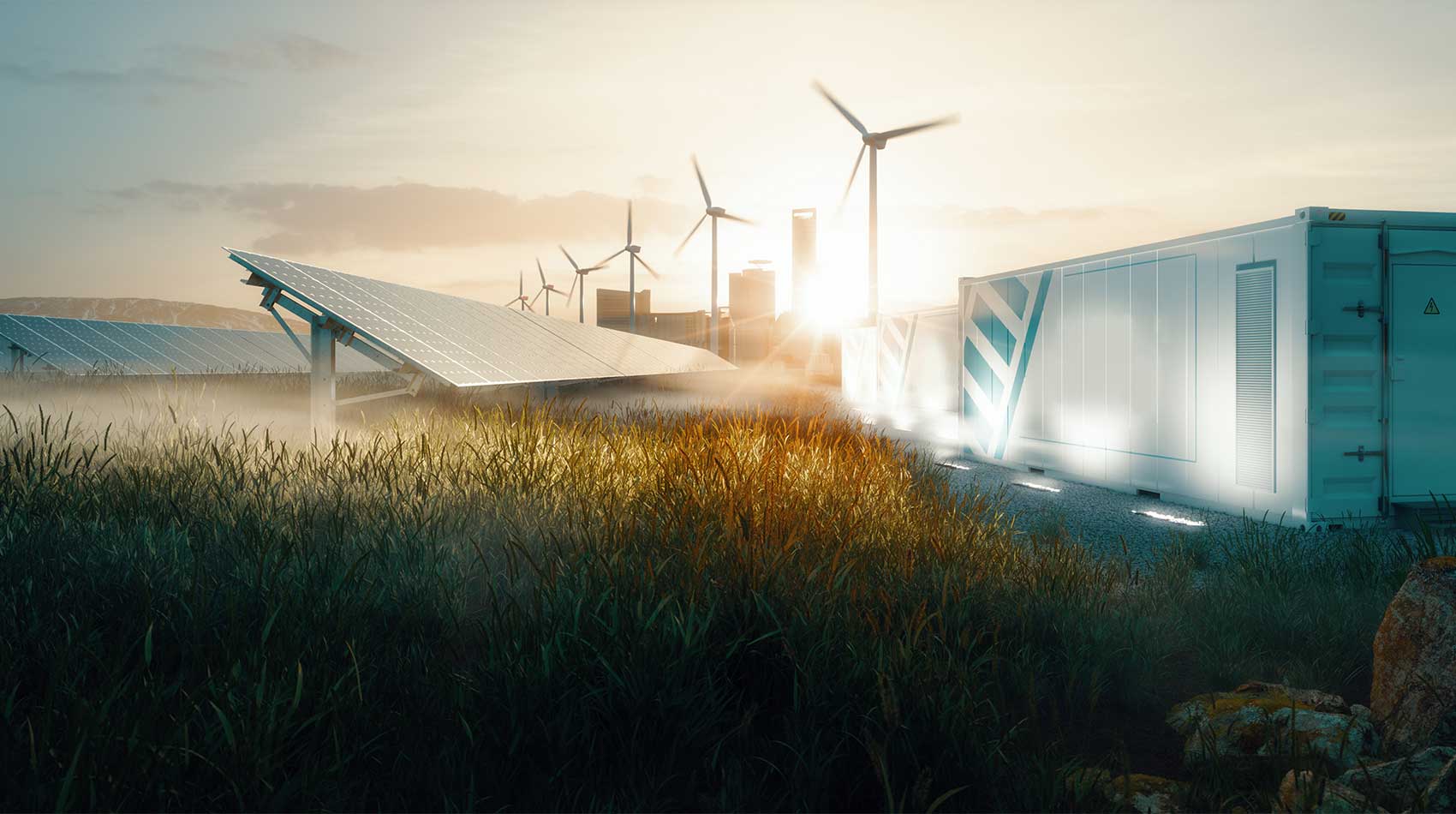
Battery energy storage systems have become essential as renewable energy sources like solar and wind expand rapidly. These sources are intermittent, the sun does not always shine, and the wind does not always blow. Storage bridges the gap between when energy is produced and when it is needed, making renewable power reliable and dispatchable. Many experts say that storage is the missing piece that unlocks the full potential of clean energy.
How Does a Battery Energy Storage System Work?
The working principle of a battery energy storage system is straightforward. During charging, the system draws electricity from the grid, solar panels, or other sources. The power conversion system converts alternating current to direct current, which is then stored in the battery cells through electrochemical reactions. During discharging, the process reverses, the direct current from the batteries is converted back to alternating current and supplied to homes, businesses, or the grid.
The battery management system is the brain of the operation. It monitors every critical parameter of each individual battery cell, including voltage, current, temperature, and state of charge. If any cell deviates from safe operating limits, the battery management system takes corrective action, such as balancing the cells or shutting down the system. This constant supervision ensures safety, prolongs battery life, and optimizes performance. Without a battery management system, lithium-ion batteries can be dangerous.
The energy management system controls when the battery charges and discharges based on user preferences or economic signals. In a home solar system, the energy management system might charge the battery during the day using excess solar power and discharge it in the evening when electricity rates are high. In a utility application, the energy management system responds to signals from the grid operator to provide frequency regulation or voltage support. The energy management system is what makes battery storage smart and profitable.
Key Components of a Battery Energy Storage System
The battery rack is the physical heart of the system. It consists of thousands of individual battery cells connected in series and parallel to achieve the desired voltage and capacity. Cells are grouped into modules, modules into packs, and packs into racks. The most common cell type is the prismatic or cylindrical lithium iron phosphate cell, valued for its safety and long cycle life. Thermal management is critical, as batteries operate best between 15 and 35 degrees Celsius. Liquid cooling systems or forced air fans maintain optimal temperature.
The power conversion system acts as the interface between the battery and the grid or loads. It includes inverters that convert direct current from the battery to alternating current for the grid, and rectifiers that convert alternating current from the grid to direct current for charging the battery. Modern power conversion systems are bi-directional, meaning they can perform both functions in a single unit. Efficiency is a key metric, with the best systems achieving 95 to 98 percent round-trip efficiency.
The battery management system is the safety and longevity guardian. It continuously measures the voltage of each cell, the temperature at multiple points, and the total current flowing in and out. It calculates the state of charge and state of health. If any cell voltage goes too high or too low, the battery management system disconnects the battery from the system to prevent damage or fire. It also performs cell balancing, ensuring all cells have similar charge levels, which maximizes usable capacity and lifespan.
The energy management system is the decision-making software. It considers electricity prices, weather forecasts, battery state of charge, and grid conditions to decide when to charge and when to discharge. In a commercial building, the energy management system might discharge the battery during peak demand hours to reduce demand charges. In a microgrid, it might prioritize using solar power and only tap the battery when solar is insufficient. Advanced energy management systems use machine learning to predict patterns and optimize operations automatically.
Main Types of Battery Energy Storage Systems
Lithium-ion batteries dominate the market today. They offer high energy density, long cycle life, and high efficiency. Lithium iron phosphate is the preferred chemistry for stationary storage because it is safer and lasts longer than other lithium types. A lithium iron phosphate battery can last 6,000 to 10,000 cycles, enough for 15 to 25 years of daily use. Costs have fallen dramatically, from over 1,000 dollars per kilowatt-hour a decade ago to under 150 dollars today.
Lead-acid batteries are the oldest rechargeable technology. They are cheap and recyclable, but they have low energy density and short cycle life, only 300 to 500 cycles. They are still used in some off-grid solar systems and backup power applications where cost is the primary concern. However, they are being rapidly replaced by lithium-ion in most new installations.
Flow batteries store energy in liquid electrolytes contained in external tanks. The power determines the size of the stack, while the energy determines the size of the tanks. This decoupling allows flow batteries to be scaled independently for power and energy. They have very long cycle life, over 10,000 cycles, and are non-flammable. However, they have lower energy density and higher upfront costs than lithium-ion. They are best suited for long-duration storage of four hours or more.
Sodium-ion batteries are an emerging technology that promises lower costs than lithium-ion. Sodium is abundant and inexpensive, unlike lithium which is geographically concentrated. Sodium-ion batteries have similar performance to lithium iron phosphate but with potentially lower material costs. They are expected to enter the market in significant volumes in the next few years, providing another option for stationary storage.
Key Applications of Battery Energy Storage Systems
Grid-scale storage is the largest application by capacity. Utility companies install massive battery systems to provide services that keep the grid stable and reliable. These services include frequency regulation, voltage support, black start capability, and transmission and distribution deferral. A single grid-scale battery can be as large as 100 to 400 megawatt-hours, enough to power tens of thousands of homes for several hours. Grid-scale storage is essential for integrating high levels of wind and solar power.
Commercial and industrial storage helps businesses reduce their electricity bills. Many commercial customers pay demand charges based on their peak power usage during a month. A battery can discharge during brief peaks, reducing the peak demand recorded by the utility meter. This can save businesses thousands of dollars per month. Commercial storage also enables participation in demand response programs, where the utility pays customers to reduce load during grid emergencies.
Residential storage pairs with rooftop solar to maximize self-consumption. A home battery stores excess solar power generated during the day and powers the home at night. This reduces the amount of electricity bought from the grid, saving money on utility bills. Home batteries also provide backup power during grid outages, keeping lights, refrigerators, and internet running. The Tesla Powerwall is the best-known residential battery, but many other brands exist.
Electric vehicle charging is an emerging application for battery storage. Fast chargers draw high power and can overload local transformers. A battery buffer charges slowly from the grid and discharges quickly into vehicles when they arrive. This reduces the demand placed on the grid and lowers connection costs for charging station operators. Some stations also integrate solar panels with storage to provide truly green charging.
Benefits of Battery Energy Storage Systems
Cost savings are the primary driver for many installations. Commercial and industrial customers reduce demand charges. Residential customers shift solar power to evening hours, avoiding high retail electricity rates. Utilities defer expensive grid upgrades by installing storage instead of building new substations or transmission lines. In regions with time-of-use rates or demand charges, storage pays for itself in three to seven years.
Reliability and resilience are critical benefits for homes and businesses. When the grid goes down due to storms, wildfires, or equipment failure, a battery system can provide backup power. For a home, this means lights, refrigeration, medical devices, and communication tools continue working. For a business, this means no lost production, no spoiled inventory, and continued service to customers. As extreme weather events increase, resilience becomes more valuable.
Renewable integration is the most important benefit for society. Solar and wind power are variable, their output changes with the weather. Without storage, grid operators must keep fossil fuel plants running as backup. With storage, excess renewable energy is captured and used when it is needed. This allows much higher penetration of clean energy without compromising grid reliability. Storage is the key that unlocks a zero-carbon electricity system.
Grid services provide value even when the battery is not being used for energy arbitrage. Batteries can respond to frequency deviations in milliseconds, faster than any traditional power plant. This makes them ideal for frequency regulation, a service that keeps the grid at the correct frequency. Batteries can also provide voltage support and spinning reserve. Utilities pay for these services, creating additional revenue streams for storage owners.
Installation Considerations
Location is a critical decision for battery energy storage systems. Indoor installations should be in non-living spaces like garages, basements, or utility rooms, away from sleeping areas. Outdoor installations require weather-resistant enclosures with proper shading and ventilation. The system should not be exposed to direct sunlight for extended periods, as heat reduces battery life. Clearance of 30 to 50 centimeters on all sides is needed for cooling and maintenance access.
Electrical connection must be performed by licensed electricians. The battery system connects to the main electrical panel through a dedicated breaker. For systems with solar, the battery and solar inverter must be coordinated to avoid feeding power into the grid during outages. A transfer switch or critical loads panel is often installed to isolate backup loads from the rest of the house. All wiring must meet local electrical codes and pass inspection.
Permitting and interconnection requirements vary by location. Many jurisdictions require building permits for battery installations. Utilities require interconnection agreements to ensure the system meets safety standards and does not endanger line workers. Some areas also require fire department notification. A qualified installer handles these requirements, but homeowners should be aware of them.
Safety and Maintenance
Battery safety is the top priority for manufacturers and installers. Lithium-ion batteries contain flammable electrolytes and can experience thermal runaway if overcharged, overheated, or damaged. Safety features include the battery management system, which prevents overcharge and over-discharge, thermal sensors that shut down the system if temperature exceeds limits, and fusible links that disconnect the battery under fault conditions. Quality systems are certified to safety standards such as UL 9540.
Regular maintenance is minimal for modern battery systems. Most require no user maintenance beyond keeping the area clean and ensuring vents are unobstructed. The battery management system tracks cell health and alerts when service is needed. Some systems have replaceable battery modules, allowing partial replacement rather than full system replacement. Software updates improve performance and add features over time.
End-of-life handling is an important consideration. Lithium-ion batteries are not hazardous waste, but they contain valuable materials that should be recycled. Many manufacturers offer take-back programs or partner with recycling companies. Recycling recovers up to 95 percent of the materials, including lithium, cobalt, nickel, and copper. Proper recycling prevents environmental contamination and reduces demand for newly mined materials.
Economic Analysis of Battery Storage
The upfront cost of a battery energy storage system has fallen dramatically. A residential 10 kilowatt-hour system costs between 10,000 and 15,000 dollars installed. A commercial 1,000 kilowatt-hour system costs between 300,000 and 500,000 dollars. Utility-scale systems cost around 300 to 400 dollars per kilowatt-hour. These prices include batteries, power conversion system, installation, and software. Prices have dropped about 80 percent over the past decade.
Annual revenue comes from multiple streams. Energy arbitrage, buying low and selling high, generates 100 to 200 dollars per kilowatt-hour per year in markets with large price differences. Demand charge reduction saves commercial customers 50 to 100 dollars per kilowatt-year. Frequency regulation pays 50 to 150 dollars per kilowatt-year. When multiple revenue streams are stacked, the payback period is three to seven years.
Battery life affects long-term economics. Lithium iron phosphate batteries last 6,000 to 10,000 cycles. For a system cycled once per day, this means 16 to 27 years of useful life. Capacity fades over time, typically to 80 percent of original after 6,000 cycles. Even after that, the battery remains useful for applications requiring less capacity. The long life means the system pays for itself multiple times over its lifetime.
Future Trends in Battery Energy Storage
Costs will continue to fall as manufacturing scales up and technology improves. Analysts expect battery pack prices to drop below 100 dollars per kilowatt-hour by 2026 and below 60 dollars by 2030. At these prices, storage becomes economical almost everywhere. The market is expected to grow from about 50 gigawatt-hours installed annually to over 500 gigawatt-hours by 2030.
New chemistries are entering the market. Sodium-ion batteries offer lower costs using abundant materials. Solid-state batteries promise higher energy density and safety, though they are still years away from mass production. Iron-air batteries are being developed for long-duration storage, discharging for 100 hours. These technologies will expand the application of storage into new markets.
Integration with electric vehicles will transform both industries. Vehicle-to-grid technology allows electric car batteries to feed power back to homes or the grid during peak times. This turns millions of parked cars into a massive distributed storage resource. While still early, vehicle-to-grid is expected to grow rapidly as bidirectional chargers become common.
Conclusion
Battery energy storage systems have become essential infrastructure for the modern electric grid. They capture energy when it is abundant and release it when it is needed, making renewable power reliable and reducing electricity costs. From a small home battery backing up a few circuits to a massive utility installation stabilizing the regional grid, storage is everywhere.
The technology has matured rapidly. Costs have fallen by over 80 percent. Lifetimes have extended to 15 or 20 years. Safety has improved dramatically through better battery management systems and thermal design. Battery storage is no longer experimental, it is a proven, economical solution deployed around the world.
The future is bright for battery energy storage. As costs continue to fall and new chemistries emerge, storage will become even more widespread. It will enable higher renewable energy penetration, improve grid resilience, and lower electricity bills. Battery energy storage is the power bank that the modern grid has been waiting for, and it is finally here at scale.