

If you’re exploring off-grid living, backup power solutions, or solar energy systems, one of the first questions you’ll ask is: What size inverter do I need? The 5000W (5kW) inverter is a popular mid‑range choice. But can it truly power an entire house? The short answer is yes, for many small to medium‑sized homes, but with important limitations. Let’s break down what a 5000W inverter can and cannot do.
What Does “5000W” Actually Mean?
A 5000W inverter converts DC (direct current) electricity from batteries (or solar panels) into AC (alternating current) electricity that home appliances use. The “5000W” rating typically refers to continuous power – the inverter can deliver 5000 watts steadily for hours. Most 5000W inverters also have a surge rating (often 10,000W or more) that lasts a few seconds to start motors (refrigerators, pumps, air conditioners).
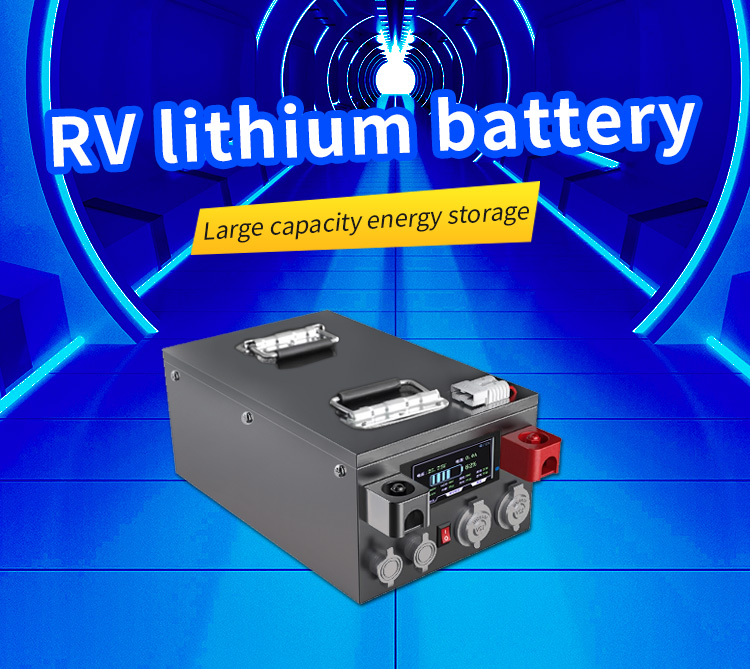
But power alone isn’t everything. You also need enough battery capacity to feed that inverter. A 5000W inverter running at full load for one hour would consume about 5kWh from the battery bank – which requires a substantial battery pack (e.g., 400Ah at 48V).
Step 1: Understand Your Home’s Power Demand
To decide if 5000W is enough, you must calculate your peak simultaneous load – the total wattage of everything you might run at the same time.
Here are typical power ranges for common household appliances:
| Appliance | Running Watts | Surge (Startup) Watts |
|---|---|---|
| LED light bulb | 5‑15 W | – |
| Laptop | 30‑70 W | – |
| Refrigerator (energy efficient) | 100‑200 W | 600‑1200 W |
| Freezer | 150‑300 W | 800‑1500 W |
| Microwave oven | 800‑1500 W | – |
| Coffee maker | 800‑1200 W | – |
| Toaster | 800‑1500 W | – |
| Electric kettle | 1000‑1500 W | – |
| Washing machine | 400‑800 W | 1000‑1500 W |
| Dishwasher | 1000‑1500 W | 1500‑2000 W |
| Clothes dryer (electric) | 2500‑4000 W | – |
| Water pump (well) | 600‑1000 W | 1500‑3000 W |
| Window AC unit (5,000 BTU) | 400‑500 W | 800‑1200 W |
| Central AC (2‑3 ton) | 3000‑5000 W | 6000‑10000+ W |
| Electric furnace / space heater | 1500‑3000 W | – |
| Induction cooktop (one burner) | 1200‑1800 W | – |
| Electric oven | 2000‑5000 W | – |
| TV (55” LED) | 80‑150 W | – |
| Internet router | 10‑20 W | – |
As you can see, large heating appliances (ovens, dryers, electric furnaces) and central air conditioning easily exceed 5000W all by themselves.
Step 2: What Can You Run on a 5000W Inverter?
A 5000W inverter can comfortably power a typical “essential loads” panel in an energy‑efficient home. Here are realistic scenarios:
✅ Yes, you can run (all at once):
- LED lighting throughout the house (200W total)
- Refrigerator (200W running)
- Freezer (200W)
- Laptops, TVs, routers (200W)
- Microwave (1200W for a few minutes)
- Coffee maker (1000W for 5 minutes)
- Washing machine (600W, but not the dryer)
- Water pump (800W)
- A small window AC (500W)
Total running watts ≈ 4500W – you’re right at the limit, but with careful management it works. The inverter’s surge capacity handles the fridge and pump starting simultaneously.
✅ For a smaller home (cabin, tiny house, RV):
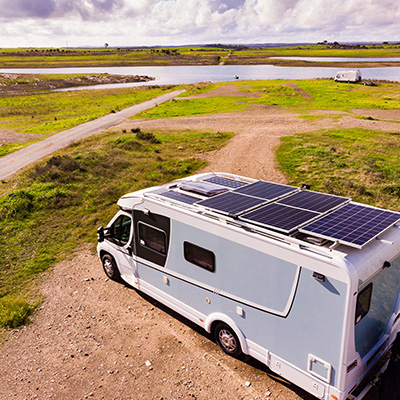
A 5000W inverter is often over‑spec. Many tiny homes run comfortably on 2000‑3000W. You can run all lights, fridge, TV, microwave, and even a small air conditioner without worry.
⚠️ What you can run, but not at the same time as others:
- Electric water heater (1500W – fine if you turn off the coffee maker)
- Dishwasher (1200W – but don’t run the microwave while it’s heating)
- Toaster (1200W – short duration, manageable)
❌ What you cannot run (or need to avoid):
- Central air conditioning (3+ tons) – requires 5000W+ continuous plus huge surge
- Electric clothes dryer – 2500‑4000W, but combined with anything else exceeds limit
- Electric oven or range – easily 3000‑5000W alone; you’d have to turn off everything else
- Whole‑house electric furnace – often 10,000W+
- Large shop tools (table saw, air compressor) – high startup surge
Step 3: The Critical Role of Batteries
An inverter is only half the equation. To run a 5000W inverter for any useful amount of time, you need a large battery bank. Let’s do a quick calculation:
Suppose you want to run an average load of 2000W for 8 hours overnight. That’s 2000W × 8h = 16,000 watt‑hours (16kWh). With a 48V battery system, 16kWh requires about 330Ah of usable capacity. Because lithium batteries shouldn’t be fully discharged daily, you’d want at least 400‑500Ah at 48V (or 800‑1000Ah at 24V). That’s a $5,000‑$10,000 battery investment.
If you try to run near the 5000W maximum, you’ll drain even huge batteries in 1‑2 hours. So the real question isn’t just can the inverter handle it? but do you have enough stored energy?
Step 4: Strategies to Make 5000W Work for Your House
Many homeowners successfully use a 5000W inverter for whole‑house backup or off‑grid living by following these rules:
- Convert high‑power appliances to propane or natural gas.
- Gas stove, gas water heater, gas furnace, gas clothes dryer. This removes the biggest electric loads.
- Install a mini‑split heat pump instead of central AC.
A 12,000 BTU mini‑split uses only 900‑1200W running – well within your budget. - Use a heat pump water heater (300‑500W) instead of conventional resistance heater (1500‑3000W).
- Manage loads manually or with an energy monitor.
Don’t run the microwave, toaster, and washing machine simultaneously. A simple “don’t overload” habit works. - Add soft starters to your well pump or any large motor. This cuts startup surge by 50‑70%.
- Choose an inverter with good surge capacity. A quality 5000W inverter (e.g., Victron, Schneider, Outback, Growatt) might handle 10,000W for 2‑5 seconds – enough for a fridge + freezer + pump to start at once.

Real‑World Examples
Case A – Small family in a 1,200 sq ft house, California
- Gas stove, gas water heater, gas furnace (no electric heating)
- Electric fridge, LED lights, TV, laptop, washing machine, 5000 BTU window AC (one room)
- 5000W inverter handles everything easily. Peak load ~3500W.
Case B – Off‑grid cabin, 800 sq ft
- Propane fridge, propane stove, wood heat
- LED lights, water pump (800W), small chest freezer, microwave, TV, phone chargers
- 3000W inverter would be enough; 5000W is overkill but gives room for a future mini‑split.
Case C – All‑electric 2,000 sq ft home
- Electric oven, electric dryer, central AC (3 ton), well pump, refrigerator, dishwasher
- A 5000W inverter cannot run this house. Even with careful load shedding, the central AC alone requires a 12,000W+ inverter. You would need at least 10‑15kW inverter and massive battery bank.
Conclusion: Yes, With the Right Expectations
| Scenario | Can a 5000W inverter run it? |
|---|---|
| Tiny home, RV, or small cabin | ✅ Easily, with room to spare |
| Typical energy‑efficient home (gas appliances, no central AC) | ✅ Yes, if you manage simultaneous loads |
| Average all‑electric home (without central AC or electric dryer) | ⚠️ Possibly, but requires strict load management |
| All‑electric home with central AC and electric dryer/oven | ❌ No – need 10kW+ inverter |
Final verdict: A 5000W inverter is an excellent choice for backup power for essential circuits or for small to medium‑sized homes that avoid high‑draw resistance heating and central air conditioning. It is not powerful enough to run an entire all‑electric modern house at full comfort. But with smart appliance choices (gas/propane for heating) and load awareness, many families live quite comfortably on 5000W – often without even realizing they’re near the limit.
Before buying, always perform a home energy audit – list every appliance you might run simultaneously, add up the watts, and add a 20% safety margin. And never forget: the inverter is useless without enough batteries. Plan your whole system together, not piece by piece.