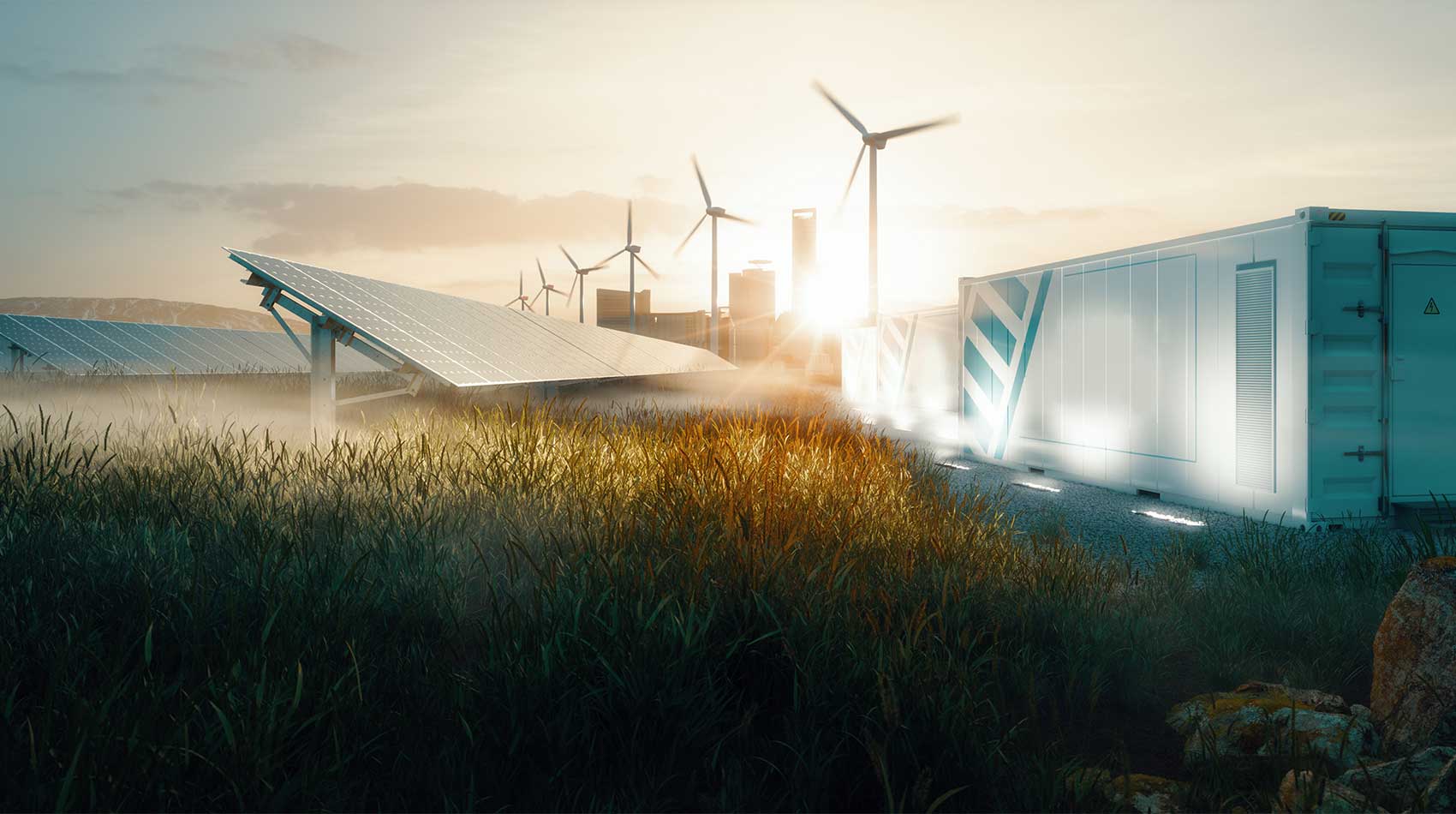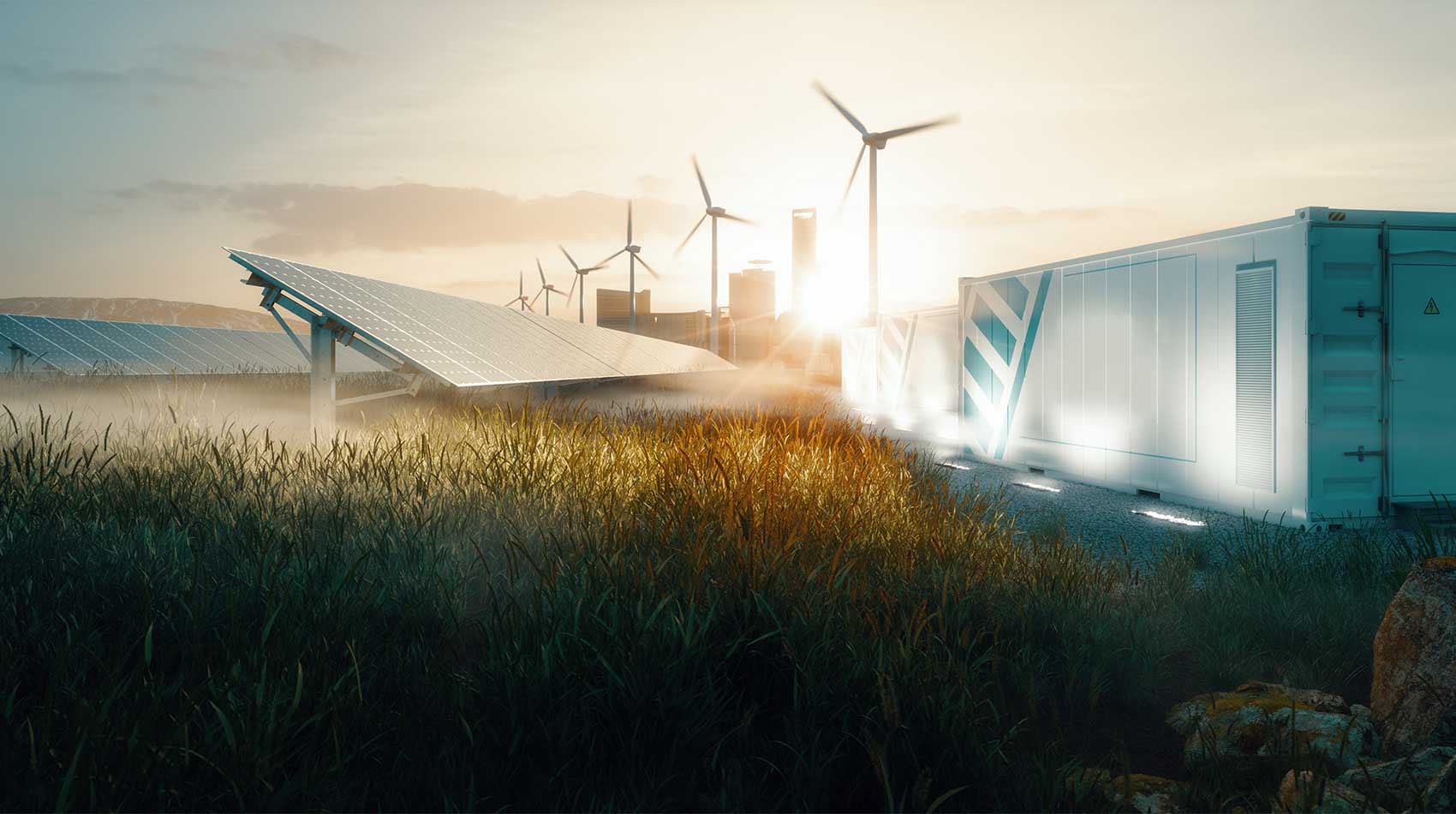
In the global transition toward renewable energy, one technology has quietly become indispensable. That technology is the Battery Energy Storage System, or BESS. It serves as a bridge between intermittent renewable generation and stable grid demand. Without it, wind and solar power would remain unreliable supplements rather than true replacements for fossil fuels.
BESS is more than a large battery pack. It is a sophisticated system that integrates power conversion, thermal management, and intelligent control software. These components work in harmony to store electricity when supply exceeds demand and release it when the opposite is true. This capability fundamentally changes how we think about electricity—transforming it from an instantly consumed commodity into a storable and dispatchable resource.
What Exactly Comprises a BESS?
A complete BESS consists of four essential subsystems. The battery rack houses thousands of individual cells organized into modules and strings. These cells are predominantly lithium-ion based, with lithium iron phosphate (LFP) chemistry gaining the most traction for stationary applications due to its safety profile and long cycle life.
The power conversion system, or PCS, acts as the interface between the battery and the external grid. It converts alternating current from the grid into direct current for charging, and performs the reverse conversion during discharge. Modern PCS units achieve round-trip efficiencies exceeding 98%, meaning very little energy is lost in the process.
The battery management system, commonly abbreviated as BMS, monitors every cell’s voltage, temperature, and state of charge. It prevents overcharge, deep discharge, and thermal runaway by automatically disconnecting the system when unsafe conditions arise. Meanwhile, the energy management system, or EMS, serves as the strategic brain that decides when to charge, when to discharge, and how to optimize economic returns based on electricity pricing signals.
Why Is BESS Gaining Momentum Now?
Several powerful drivers are accelerating BESS adoption across the globe. First and foremost is the precipitous decline in battery costs over the past decade. Lithium-ion cell prices have fallen by roughly 90% since 2010, making large-scale storage economically viable for the first time in history.
Simultaneously, governments worldwide are imposing stricter renewable portfolio standards and carbon reduction targets. These policies compel utilities and grid operators to integrate higher percentages of variable renewable energy. BESS provides the flexibility needed to meet these mandates without compromising grid reliability.
Another compelling factor is the growing frequency of extreme weather events. Wildfires, hurricanes, and heatwaves have exposed the vulnerability of traditional centralized power grids. BESS offers a decentralized solution that provides backup power during outages and helps communities maintain essential services when the main grid fails.
Front-of-the-Meter vs. Behind-the-Meter Applications
Utility-scale BESS installations are typically connected directly to the transmission or distribution network. These front-of-the-meter systems perform grid services such as frequency regulation, voltage support, and peak shaving. They can respond to grid disturbances in milliseconds, far faster than conventional gas turbines, making them invaluable for maintaining grid stability.
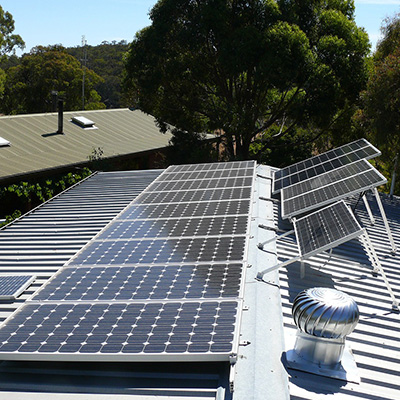
Behind-the-meter BESS, on the other hand, operates on the customer side of the utility meter. Commercial and industrial facilities use these systems to reduce demand charges by discharging during peak load periods. Residential homeowners pair them with rooftop solar to maximize self-consumption and minimize electricity bills. Both application types share the same core technology, yet their business cases and control strategies differ substantially.
The Economic Calculus of BESS Projects
Evaluating a BESS investment requires careful consideration of multiple revenue streams. The most straightforward income source is energy arbitrage—charging during low-price periods and discharging when electricity is expensive. However, this alone rarely justifies the capital expenditure in most markets.
Therefore, sophisticated project developers stack additional value streams on top of arbitrage. These may include capacity payments, ancillary service revenues, and participation in demand response programs. In some regions, BESS owners can also earn renewable energy credits or carbon offsets. The combined value of these multiple streams, often termed revenue stacking, is what ultimately makes many projects financially viable.
Challenges That Still Confront the Industry
Despite its remarkable progress, BESS technology faces persistent hurdles. Safety remains a primary concern, as lithium-ion batteries contain flammable electrolytes and can experience thermal runaway if improperly managed. High-profile fire incidents have occasionally damaged public confidence and prompted stricter permitting requirements.
Supply chain constraints pose another significant challenge. The extraction and processing of critical minerals like lithium, cobalt, and nickel are concentrated in a few countries. This geographic concentration creates geopolitical risks and price volatility that can disrupt project timelines and economics.
End-of-life management also looms as an emerging issue. Tens of thousands of tons of spent battery packs will reach retirement age within the next decade. Developing cost-effective recycling processes is essential not only for environmental reasons but also to recover valuable materials and reduce dependence on virgin mining.
Emerging Trends That Will Shape BESS Evolution
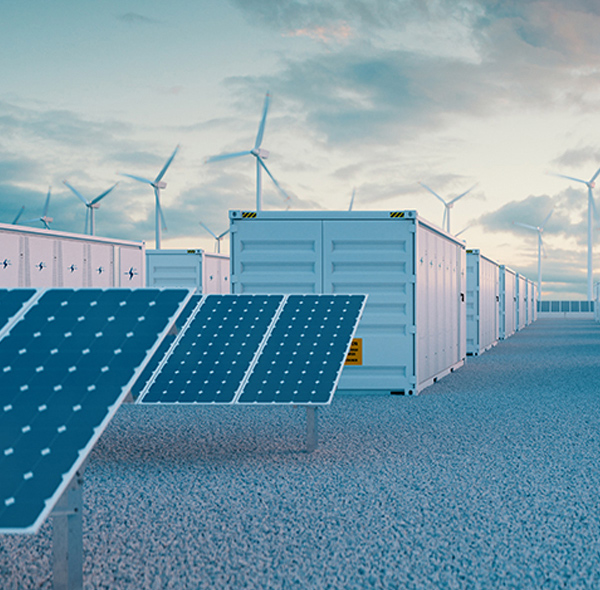
Long-duration storage is gaining attention as the next frontier for BESS innovation. While current systems typically provide 2 to 4 hours of discharge at rated power, longer durations of 8 to 12 hours are increasingly requested. These longer-duration systems can shift abundant midday solar energy to the evening peak, effectively replacing natural gas peaker plants.
Second-life battery applications are also maturing into a viable market segment. Used electric vehicle batteries, which still retain 70 to 80 percent of their original capacity, can be repurposed for stationary storage. This approach reduces the upfront cost of BESS projects while extending the useful life of battery materials.
Digital twin technology is becoming an essential tool for BESS operators. A virtual replica of the physical system allows predictive maintenance, performance optimization, and anomaly detection without disrupting actual operations. This digital layer enhances reliability and reduces operational costs over the system’s lifetime.
Guidance for Prospective BESS Adopters
Before committing to a BESS deployment, potential buyers should conduct a thorough feasibility study. This study must examine the site’s load profile, utility rate structure, and local regulatory environment. Understanding these factors accurately is the foundation of any credible financial model.
Equally important is the selection of an experienced system integrator. BESS projects are complex, requiring expertise in electrical engineering, thermal management, fire safety, and grid interconnection protocols. An integrator with a proven track record reduces technical risks and ensures compliance with applicable codes and standards.
Finally, the long-term service agreement deserves careful scrutiny beyond the initial equipment price. Warranties for battery capacity fade, guaranteed performance metrics, and maintenance schedules vary significantly among suppliers. Comparing these service terms often reveals more about the total cost of ownership than the equipment price itself.
Conclusion
BESS has emerged as a cornerstone technology in the clean energy transition. Its ability to absorb fluctuations, provide instantaneous backup, and enable time-shifting of renewable generation makes it uniquely versatile among grid assets. As costs continue to decline and new applications emerge, BESS will inevitably play an even larger role in shaping resilient, sustainable, and efficient power systems worldwide.
For utilities, businesses, and homeowners alike, understanding this technology is no longer optional. It is becoming a prerequisite for participating in the future energy economy—one where storage is not an afterthought, but the very foundation upon which renewable energy rests.