
An Ancient Source, A Modern Technology
Solar panels have become a familiar sight on rooftops and in solar farms around the world. They capture energy from the sun and convert it into usable electricity. This technology has evolved dramatically over the past several decades. What was once a niche product for satellites and remote cabins is now a mainstream energy solution.
The basic principle behind solar panels is surprisingly simple. They are made of photovoltaic cells that absorb sunlight. When light strikes these cells, it knocks electrons loose from their atoms. This flow of electrons creates an electrical current. That current can then power homes, businesses, and even entire cities.
How Photovoltaic Cells Actually Work
Most solar panels use silicon as the primary semiconductor material. Silicon atoms hold their electrons tightly, but they can be coaxed into releasing them with enough energy. The energy from sunlight provides exactly this push. This is why solar panels work best in direct sunlight.
A solar cell has two layers of silicon with different electrical properties. One layer is doped with phosphorus to give it extra electrons. The other layer is doped with boron, which has fewer electrons. The boundary between these layers creates an electric field. When sunlight knocks electrons loose, this field pushes them in one direction, creating a direct current.
The Evolution of Solar Panel Technology
Early solar panels were extremely expensive and inefficient. The first practical solar cells, developed in the 1950s, could only convert about six percent of sunlight into electricity. Today’s commercial panels achieve efficiency rates of twenty to twenty-two percent. Some laboratory prototypes have reached over forty percent under concentrated light.
The cost of solar panels has fallen dramatically as well. In the 1970s, solar electricity cost about one hundred dollars per watt. Today, large-scale solar projects can deliver power for less than one dollar per watt. This cost reduction has made solar energy competitive with fossil fuels in many parts of the world.
Types of Solar Panels Available Today
Monocrystalline panels are the most efficient and popular choice for residential installations. They are made from a single crystal of silicon, which gives them a uniform dark color. Their efficiency typically ranges from eighteen to twenty-two percent. Furthermore, they perform slightly better in low-light conditions than other types.
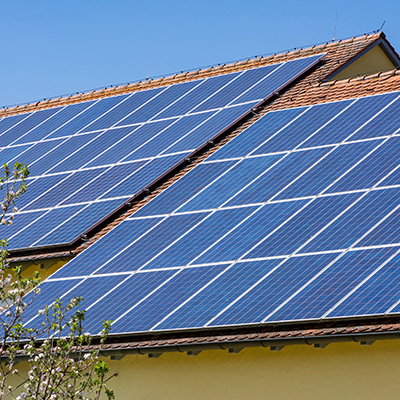
Polycrystalline panels are less expensive but also less efficient. They are made from multiple silicon crystals melted together. This gives them a distinctive blue, speckled appearance. Their efficiency usually falls between fifteen and seventeen percent. As a result, they are a good option when budget is the primary concern.
Thin-film panels are lightweight and flexible, making them suitable for specialized applications. They are made by depositing thin layers of semiconductor material on glass or plastic. Their efficiency is lower, typically around ten to twelve percent. However, they perform better in high temperatures and diffuse light conditions than crystalline panels.
How Solar Panels Are Installed
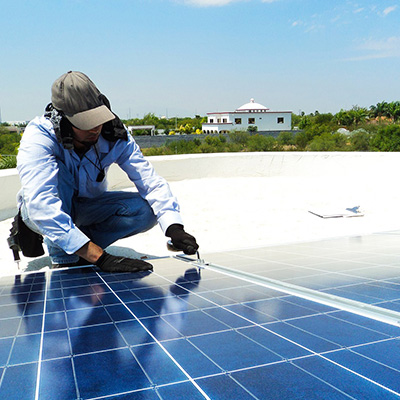
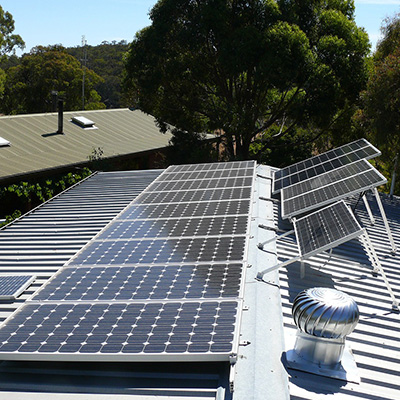
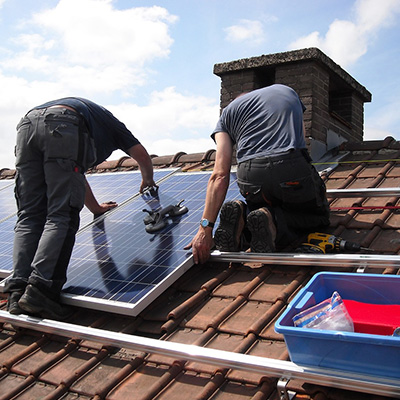
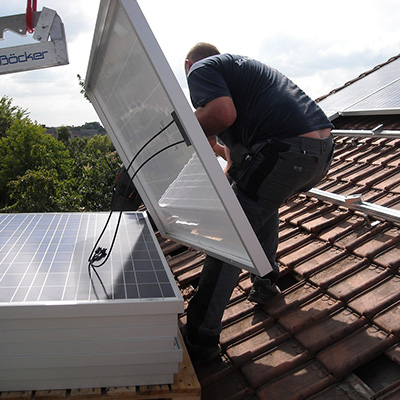
Rooftop installations are the most common configuration for homes and businesses. Panels are mounted on racks that are secured to the roof structure. The angle and orientation of the panels affect their energy production. In the northern hemisphere, panels should generally face south for maximum output. Consequently, installers carefully calculate the optimal tilt angle based on the location’s latitude.
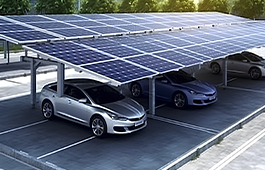
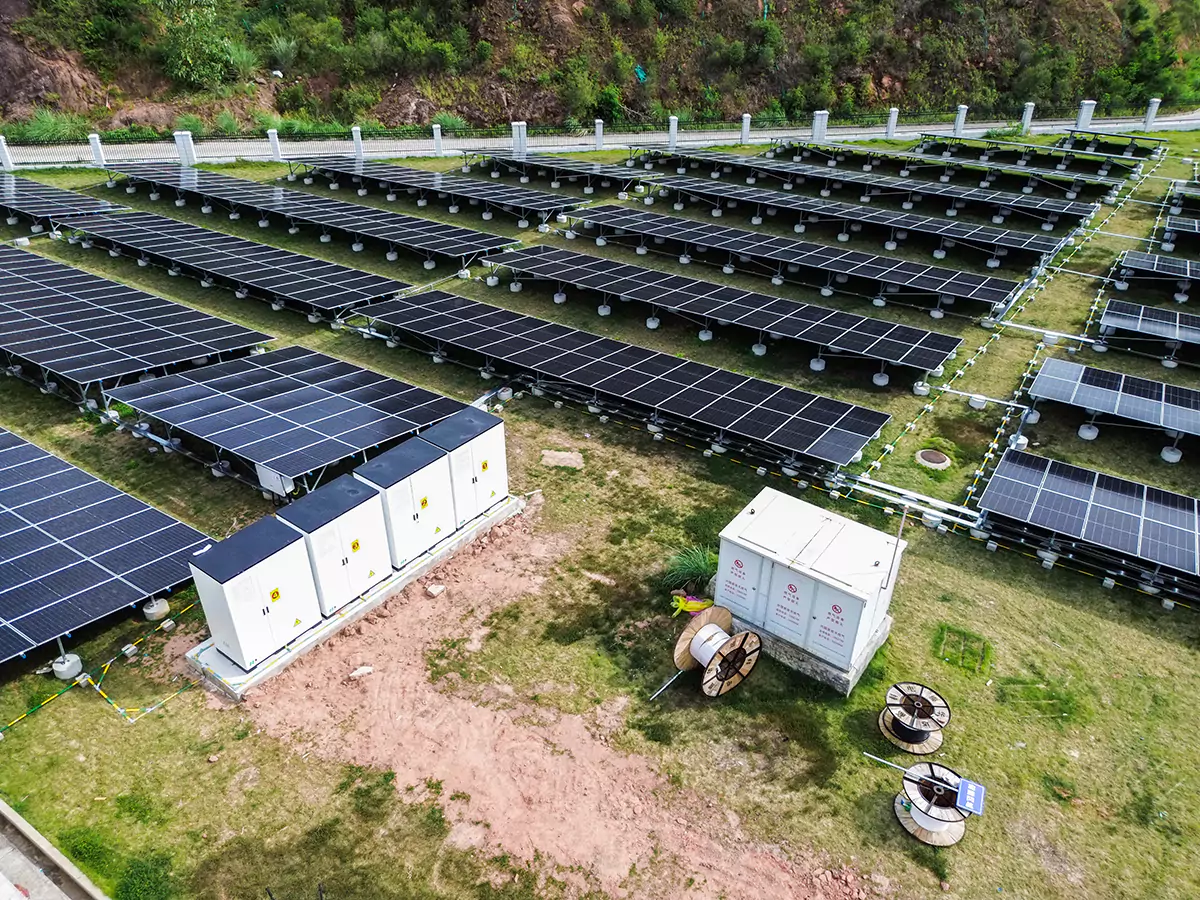
Ground-mounted systems are an alternative when roof space is limited or unsuitable. These arrays are supported by metal frames driven into the ground. They can be oriented more precisely than rooftop systems. In addition, some ground-mounted systems include tracking mechanisms that follow the sun across the sky. This can increase energy production by fifteen to twenty-five percent.
The Role of Inverters in Solar Systems
Solar panels produce direct current electricity, but most appliances use alternating current. An inverter is the device that converts DC to AC power. This conversion is essential for connecting the solar system to the home’s electrical grid. Without an inverter, the electricity from solar panels would be unusable in standard applications.
String inverters are the traditional choice for residential systems. A single inverter connects to multiple panels arranged in a series circuit. This design is simple and cost-effective. However, it has a weakness: shading or damage to one panel reduces the output of the entire string. This can significantly reduce overall system performance.
Micro-inverters offer a more sophisticated solution for modern solar installations. Each panel has its own small inverter attached directly to it. This allows each panel to operate independently of the others. Moreover, shading or malfunction on one panel does not affect the rest. Micro-inverters also provide panel-level monitoring, which helps detect performance issues early.
Net Metering and Grid Connection
Net metering is a policy that makes solar power financially attractive for homeowners. It allows solar panel owners to send excess electricity back to the grid. The utility company credits the customer for this electricity. At night or on cloudy days, the customer draws power from the grid and uses those credits. In effect, this system turns the grid into a free storage battery.
The specifics of net metering vary by region and utility provider. Some offer full retail credit for exported electricity, while others pay wholesale rates. The policy landscape is changing as more solar systems come online. For instance, some states have reduced net metering benefits in recent years. Therefore, potential solar adopters should check the current rules in their area.
Energy Storage and Battery Systems
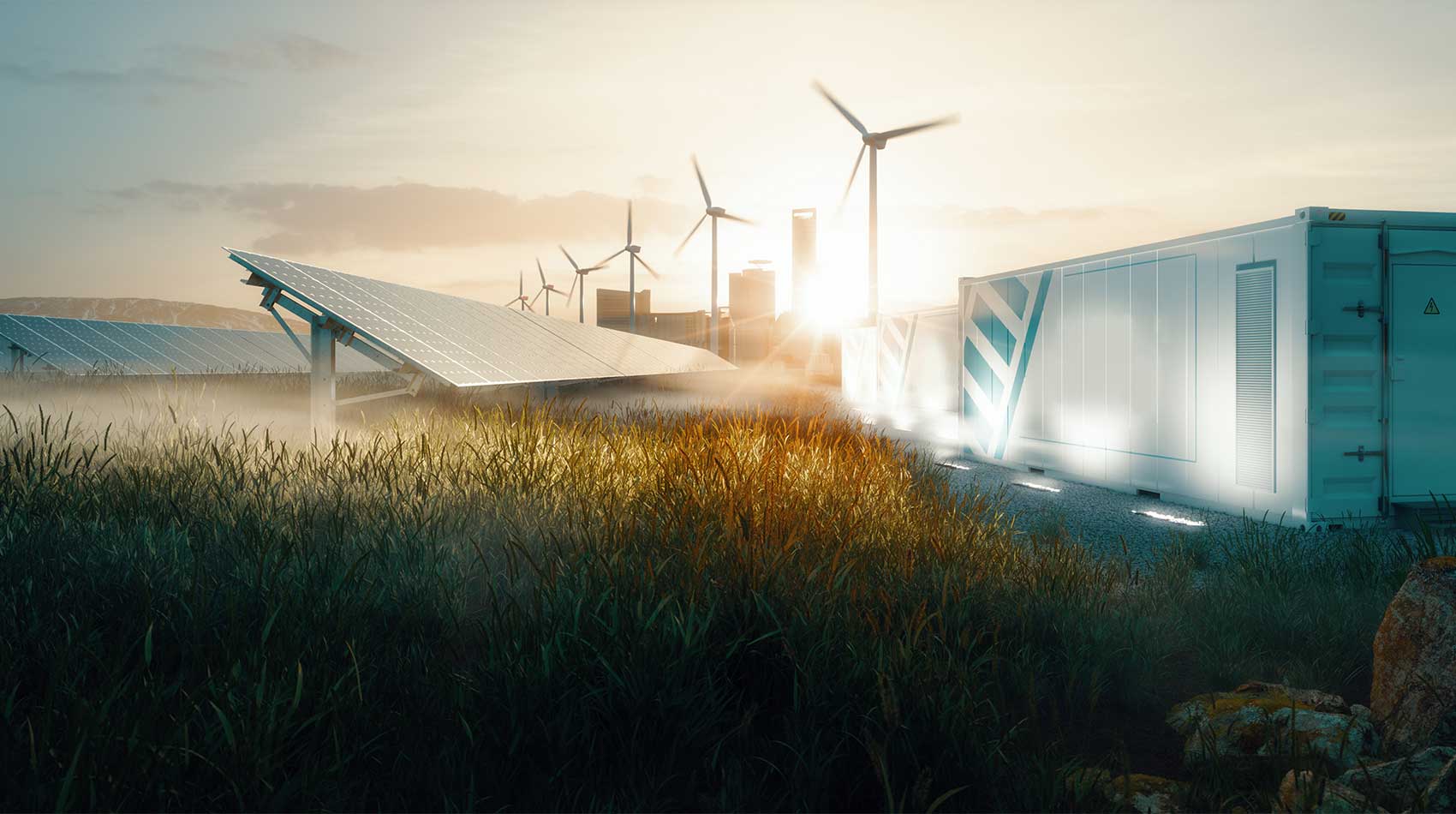
Battery storage makes solar power more useful and reliable for homeowners. Solar panels produce energy only when the sun is shining. A battery system stores excess electricity generated during the day for use at night. This allows a household to run entirely on solar power even after sunset. As a result, energy independence becomes possible with this combination.
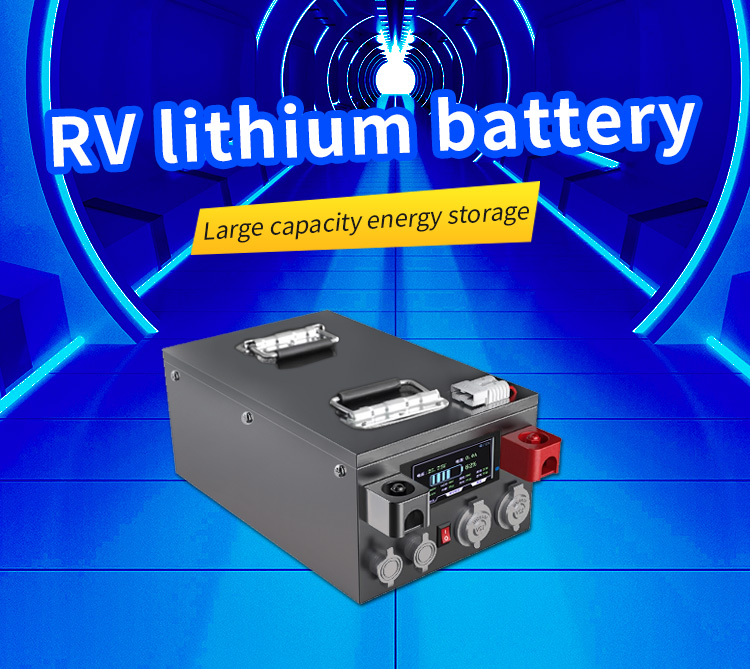
Lithium-ion batteries are the most common storage technology used with solar panels. They are efficient, compact, and have a long cycle life. These systems can provide backup power during grid outages. With a battery, homeowners can maintain electricity during blackouts. This adds a layer of resilience that solar panels alone cannot provide.
Environmental Benefits of Solar Energy
Solar power produces no air pollution or greenhouse gas emissions during operation. Each megawatt-hour of solar electricity avoids about one ton of carbon dioxide emissions. This is a significant contribution to reducing global warming. Over its thirty-year lifespan, a typical residential solar system offsets dozens of tons of emissions.
The environmental footprint of manufacturing solar panels is relatively small. Most panels achieve energy payback within two to three years of operation. Energy payback refers to the time needed to generate the energy used in manufacturing. For the remaining twenty-five years or more, the panels produce clean energy with no emissions. Consequently, this makes solar power an environmentally sound investment.
Maintenance and Longevity
Solar panels require very little maintenance throughout their working life. Rain usually keeps the surface clean enough for efficient operation. In dusty regions, occasional washing with water may be needed. There are no moving parts to wear out or replace. This simplicity is one of their greatest advantages.
Most manufacturers offer warranties of twenty-five years on their panels. The panels do not stop working after this period. Instead, they simply produce slightly less electricity each year. Typical degradation rates are about half a percent annually. After twenty-five years, a good panel will still produce around eighty-five percent of its original output.
The Economic Case for Solar
The financial benefits of solar panels have become compelling for many homeowners. Electricity bills often drop substantially after installation. Many systems pay for themselves within six to ten years. Federal and state incentives can reduce the upfront cost significantly. Taken together, these financial factors have driven the rapid adoption of solar power.
The federal investment tax credit has been a major driver of solar adoption. It allows homeowners to deduct a percentage of their installation costs from their federal taxes. The credit was recently extended and is scheduled to remain available. Additional state and local incentives may also be available. These include rebates, property tax exemptions, and performance-based payments.
Solar Panels in Remote Areas
Solar panels provide electricity in locations where traditional power grids do not reach. Remote villages, research stations, and telecommunications towers benefit greatly from solar power. Transporting fuel to these locations is expensive and logistically challenging. By contrast, solar panels offer a reliable and low-maintenance alternative.
Solar-powered water pumps have transformed agriculture in remote areas. Farmers can irrigate crops without diesel fuel or grid electricity. This has enabled agricultural development in previously marginal regions. Similarly, solar lighting has also improved education and safety in off-grid communities. Children can study after dark, and streets can be illuminated at night.
Innovations Shaping the Future
Perovskite solar cells are an exciting new technology in the research phase. They are made from a special class of materials that are inexpensive to produce. Their efficiency has improved rapidly from just three percent to over twenty-five percent. Moreover, perovskite cells can also be manufactured in thin, flexible, and semi-transparent forms. This opens up entirely new applications for solar power.
Bifacial solar panels are already available on the commercial market. These panels capture sunlight on both the front and back surfaces. They can absorb light reflected from the ground or surrounding surfaces. This increases their total energy output without requiring more space. In fact, bifacial panels can generate ten to twenty percent more electricity than conventional panels.
Solar Farms and Utility-Scale Projects
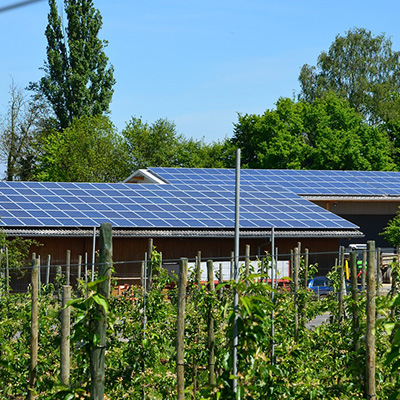
Large solar farms are being built in many countries around the world. These facilities cover hundreds of acres with thousands of solar panels. They produce electricity on a scale that can power entire cities. Utility-scale solar has become one of the cheapest sources of new electricity generation. Consequently, this has accelerated the transition away from coal and gas.
Agrivoltaics is an innovative approach that combines solar power with agriculture. Solar panels are installed above crops at a height that allows farming to continue underneath. The panels provide partial shade, which can reduce water evaporation. Some crops actually benefit from this moderated growing environment. This dual-use approach makes more efficient use of valuable land resources.
The Global Impact of Solar Energy
The growth of solar energy has been remarkably rapid over the past decade. Global solar capacity has increased more than twentyfold since 2010. The International Energy Agency now projects that solar will become the largest source of electricity by 2050. This growth is driven by falling costs and increasing environmental awareness. Developing countries are leapfrogging directly to solar power.
Solar panel manufacturing has created jobs and economic growth worldwide. The industry employs millions of people in manufacturing, installation, and maintenance. China is currently the dominant manufacturer of solar panels. However, production is also growing in the United States, Europe, and India. The global nature of the industry helps drive innovation and cost reduction.
Conclusion
Solar panels have become a mature, cost-effective technology for generating clean electricity. They offer homeowners, businesses, and utilities a reliable source of energy. The environmental benefits are substantial and growing with each new installation. Technological advances continue to improve efficiency and lower costs. For all these reasons, solar panels will play an essential role in the world’s energy future.