Introduction: Why We Need Energy Storage
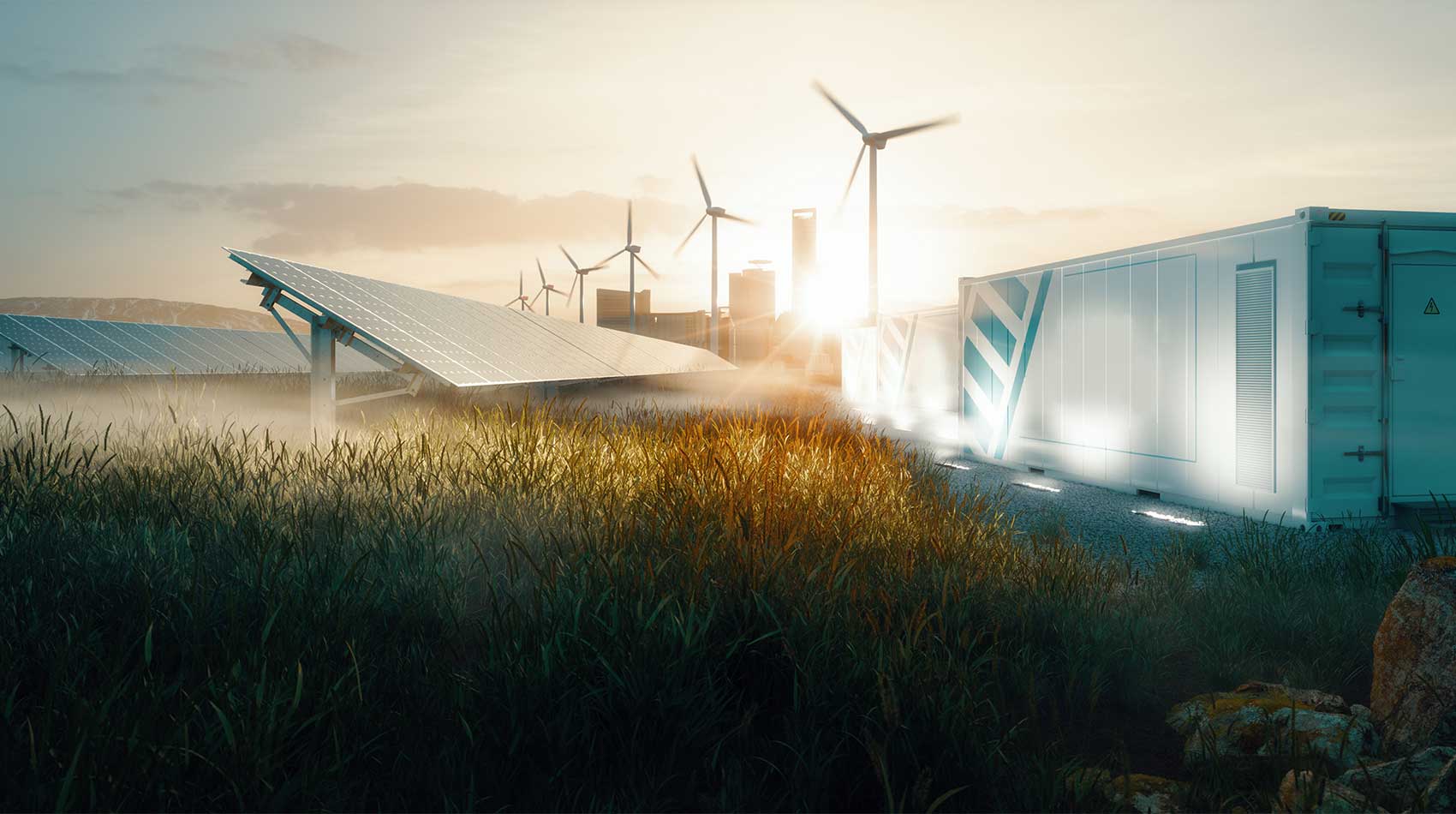
Electricity must be consumed the moment it is generated. This creates a fundamental challenge for renewable energy sources like solar and wind, which produce power intermittently. The sun does not always shine, and the wind does not always blow. Battery Energy Storage Systems, or BESS, solve this problem by storing excess electricity when supply exceeds demand and releasing it when demand exceeds supply. In doing so, BESS transforms variable renewables into reliable, dispatchable power.
Core Components of a BESS
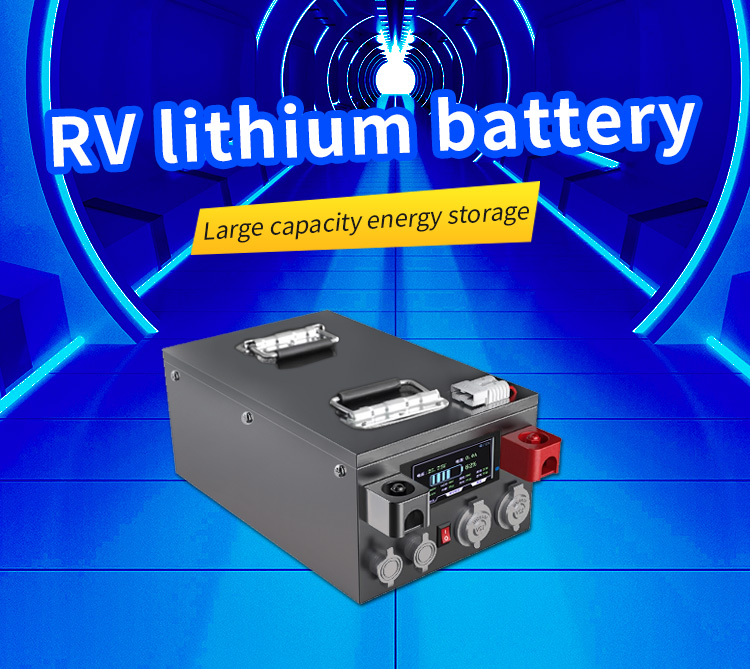
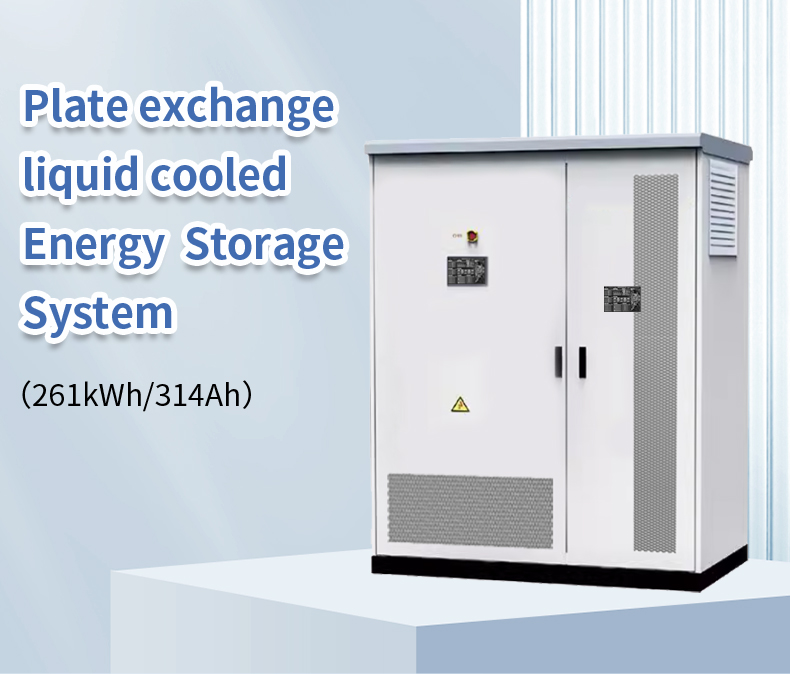
A typical BESS consists of four main parts working together as an integrated system. The battery racks, usually made of lithium-ion cells, store the electrical energy in chemical form. The Power Conversion System converts alternating current from the grid into direct current for charging, and then back to alternating current for discharging. The Battery Management System monitors every cell’s voltage, temperature, and state of charge, ensuring safe operation and long life. Finally, the Energy Management System acts as the brain, deciding when to charge and discharge based on electricity prices and grid conditions.
Key Applications
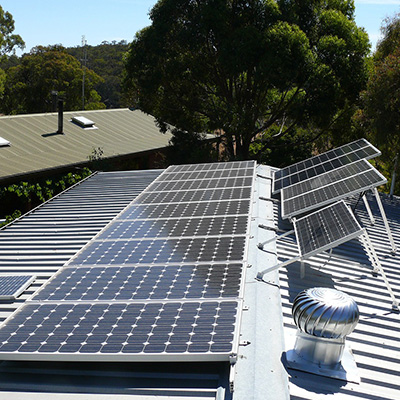
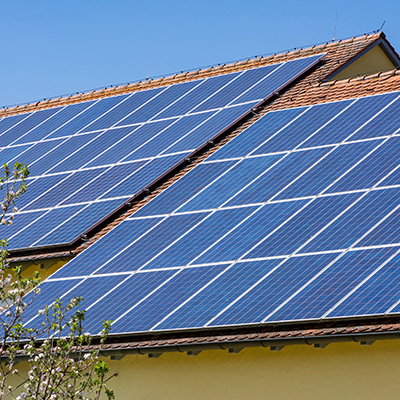
Grid-scale BESS installations are the largest and fastest-growing segment, often co-located with solar or wind farms. These systems can shift solar power from midday to evening peak hours, provide frequency regulation in milliseconds, and even restart the grid after a blackout. Behind-the-meter BESS serves commercial and industrial customers by reducing demand charges and capturing peak-to-off-peak price differences. Residential battery systems paired with rooftop solar allow homeowners to run almost entirely on clean energy, while also providing backup power during outages.
Economics and Cost Trends
The cost of BESS has fallen dramatically over the past decade. Lithium-ion battery pack prices dropped from over $1,000 per kilowatt-hour in 2010 to around $100-150 per kilowatt-hour today. At these price levels, many BESS applications have become economically viable without subsidies. A well-optimized BESS typically achieves a payback period of four to seven years and an internal rate of return of eight to fifteen percent. Multiple revenue streams can be stacked, including energy arbitrage, capacity payments, frequency regulation services, and demand charge reduction.
Challenges Facing BESS
Despite falling costs, the high upfront capital investment remains a significant barrier for many projects. A utility-scale BESS can require millions or tens of millions of dollars, though financing options and energy-storage-as-a-service models are emerging to address this. Safety concerns also persist, as lithium-ion batteries contain flammable electrolytes that can catch fire if improperly managed. However, improved safety standards, better thermal management, and the shift to safer LFP chemistry have greatly reduced these risks. Cycle life and degradation are inherent limitations, with most BESS retaining only seventy to eighty percent of original capacity after ten to fifteen years of daily use.
The Future of BESS
Longer-duration storage is the next frontier for BESS technology. Most systems today provide two to four hours of storage, sufficient for solar shifting but inadequate for multi-day weather events or seasonal imbalances. Emerging technologies like iron-air batteries and advanced flow batteries aim to provide ten to one hundred hours of storage at much lower costs. Second-life EV batteries offer another promising pathway, as retired electric vehicle batteries still have seventy to eighty percent of their capacity remaining. Artificial intelligence is transforming BESS operations by forecasting electricity prices, renewable generation, and demand, increasing revenue by fifteen to thirty percent compared to rule-based systems.
Conclusion
BESS does not generate or transmit electricity by itself, yet it may be the most important technology in the energy transition. It captures solar power at noon and delivers it at midnight, smooths the gusts of wind into a steady stream, and turns a chaotic orchestra of renewables into a reliable symphony. As costs continue to fall below $100 per kilowatt-hour and manufacturing capacity expands rapidly, BESS will move from a niche technology to a standard component of every power system. The question is no longer whether we need energy storage, but how much and how fast.