
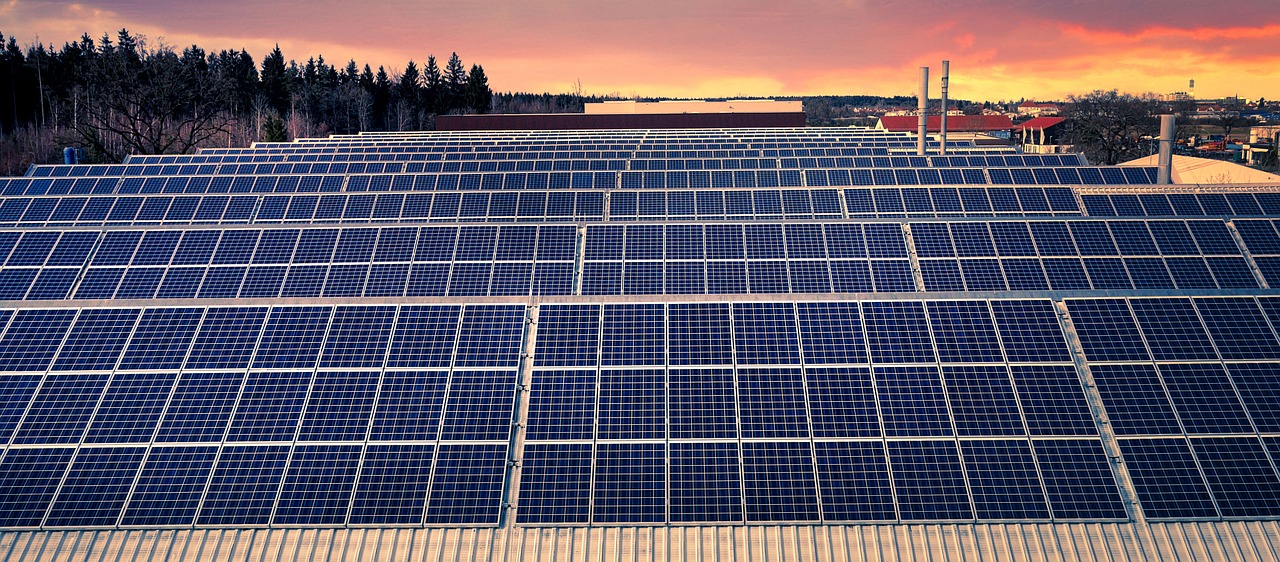
What Is a Solar Panel?
A solar panel, also known as a photovoltaic (PV) panel, is a device that converts sunlight directly into electricity. It is made up of many smaller units called solar cells, typically made from silicon, a semiconductor material. When sunlight hits these cells, it knocks electrons loose, creating an electric current that can be used to power homes, businesses, and even entire cities.
Solar panels come in various sizes and types, including monocrystalline, polycrystalline, and thin-film. Monocrystalline panels are the most efficient and popular for residential use, while thin-film panels are lightweight and flexible, ideal for specific applications like portable chargers or building-integrated photovoltaics.
The best part about solar panels is that they produce clean, renewable energy without any moving parts, noise, or harmful emissions. Once installed, they can generate electricity for 25 to 30 years with minimal maintenance, making them a reliable and sustainable energy solution.
How Do Solar Panels Work?
The science behind solar panels is elegant yet powerful. Each solar cell contains a positive layer and a negative layer of silicon, creating an electric field. When photons from sunlight strike the cell, they transfer energy to electrons, allowing them to break free from their atoms and flow through the material as direct current (DC) electricity.
An inverter then converts this DC electricity into alternating current (AC), which is the standard form of power used by household appliances and the electrical grid. Any excess electricity generated during sunny hours can be sent back to the grid or stored in batteries for use at night or on cloudy days.
This process, known as the photovoltaic effect, was first discovered in 1839 by French physicist Edmond Becquerel. Today, modern solar panels can convert 15% to 22% of sunlight into usable electricity, with laboratory prototypes reaching over 40% efficiency under concentrated light conditions.
Types of Solar Panels
Monocrystalline solar panels are made from a single, pure silicon crystal and are easily recognized by their uniform dark color and rounded edges. They offer the highest efficiency rates, typically between 18% and 22%, and perform better in low-light conditions. However, they are also the most expensive option.
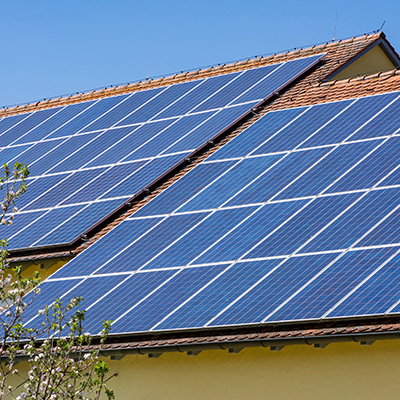
Polycrystalline panels are made from multiple silicon fragments melted together, giving them a distinctive blue, speckled appearance. They are slightly less efficient, usually between 15% and 17%, but are more affordable to manufacture. For homeowners on a budget, polycrystalline panels offer a good balance between cost and performance.
Thin-film solar panels are made by depositing a thin layer of photovoltaic material onto a solid surface like glass or metal. They are lightweight, flexible, and perform well in high temperatures, but their efficiency is lower, typically around 10% to 12%. They are best suited for large-scale industrial projects or portable applications where weight and flexibility matter more than efficiency.

Key Benefits of Solar Panels
The most obvious benefit of solar panels is the reduction in electricity bills. Once the initial installation cost is recovered, the electricity generated is essentially free for the remaining lifespan of the system. Many homeowners see a 50% to 90% reduction in their monthly utility bills, depending on their location and system size.
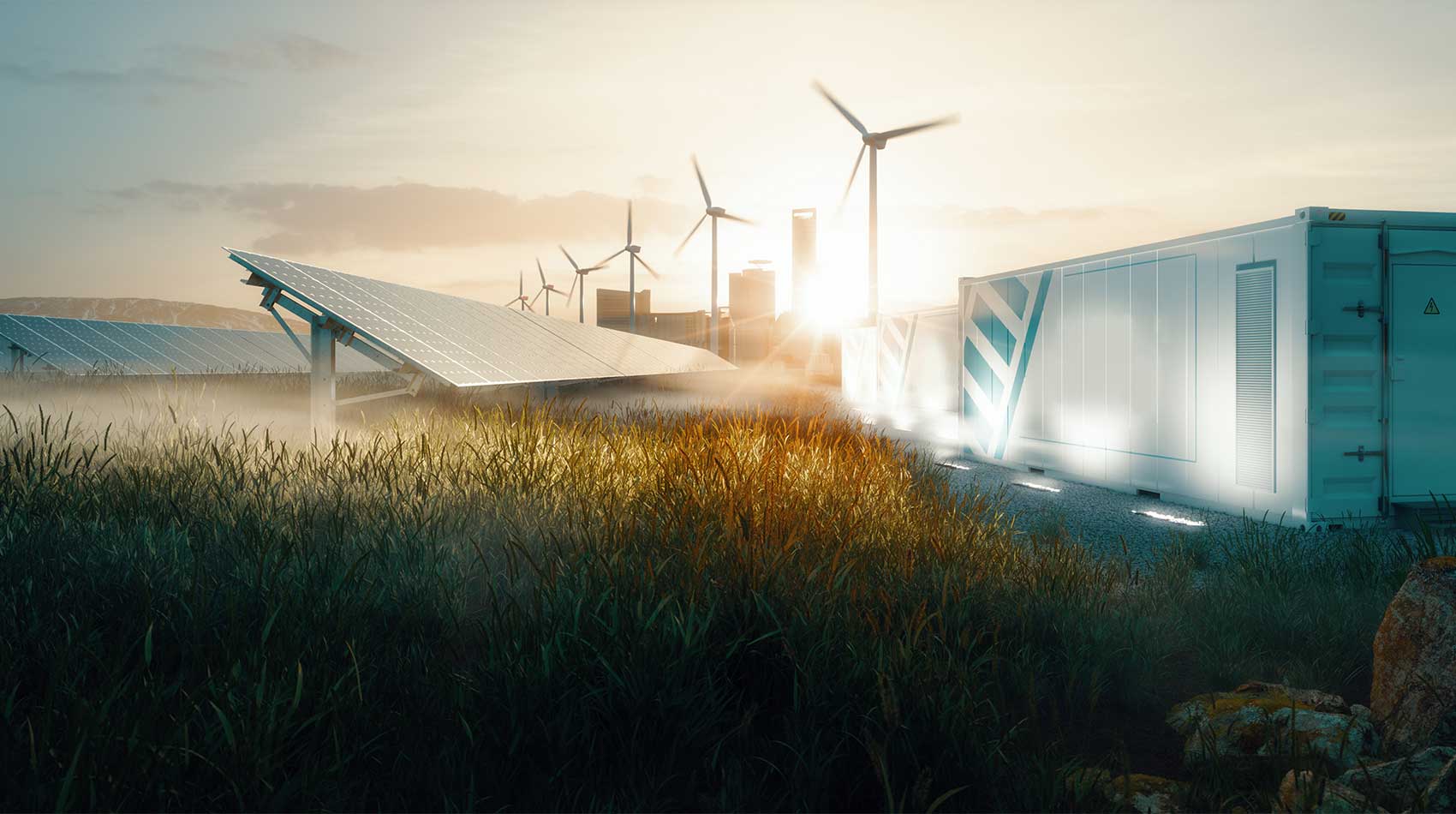
Solar panels also provide energy independence. By generating your own power, you become less vulnerable to rising utility rates and grid outages. When paired with battery storage, a solar system can keep your lights on during blackouts, giving you peace of mind and resilience against power disruptions.
From an environmental perspective, solar panels produce zero greenhouse gas emissions during operation. A typical residential solar system can offset roughly three to four tons of carbon dioxide per year, equivalent to planting over 100 trees annually. This makes solar energy one of the most effective tools for combating climate change.
Challenges and Limitations
The initial cost of installing a solar panel system remains a significant barrier for many households. A typical residential system can cost anywhere from 10,000to30,000 before incentives, though prices have dropped by more than 70% over the past decade. Fortunately, tax credits, rebates, and financing options are available in many countries to ease this burden.
Solar panels are also dependent on sunlight, meaning they produce little to no electricity at night or on heavily overcast days. This intermittency issue requires either grid connection or battery storage to ensure a continuous power supply. While battery costs are falling rapidly, adding storage still increases the overall system price significantly.
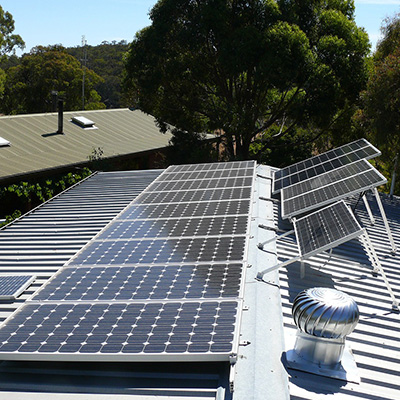
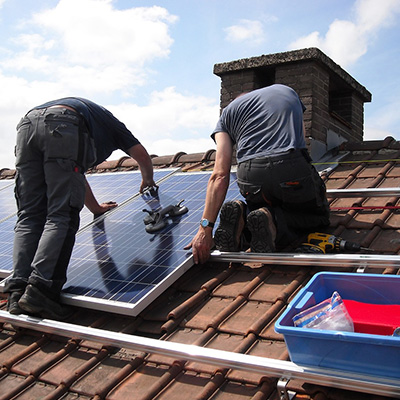
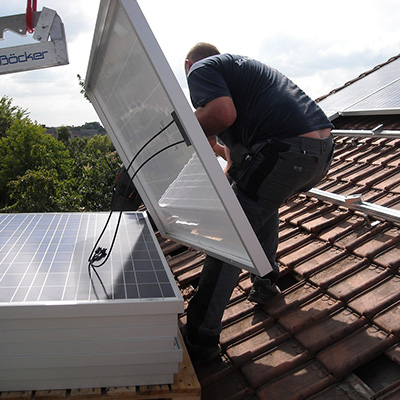
Finally, installation requires adequate roof space with proper orientation and minimal shading. Not every home is suitable for solar panels. South-facing roofs with a slope between 15 and 40 degrees are ideal in the Northern Hemisphere. Trees, chimneys, or nearby buildings that cast shadows can substantially reduce energy production.
The Future of Solar Panel Technology
Solar technology is advancing at an impressive pace. Perovskite solar cells, a new thin-film technology, have jumped from 3% to over 25% efficiency in just a decade.
Bifacial solar panels, which capture sunlight from both the front and back sides, are also gaining popularity. These panels outperform conventional ones by up to 30% by capturing reflected light from the ground or roof surface. They are particularly effective on white rooftops or snowy ground.
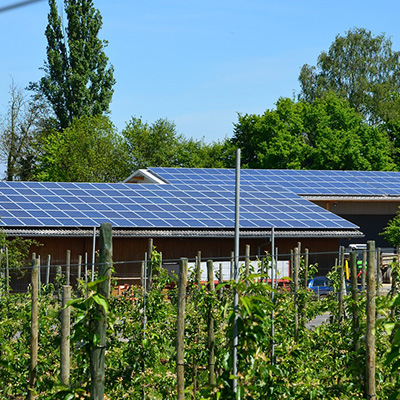
Building-integrated photovoltaics (BIPV) are transforming solar panels from add-on devices into building materials themselves. Solar roof tiles, transparent solar windows, and solar facades are turning entire buildings into power plants. As technology improves and prices drop, solar panels will become a hidden yet vital feature of our built environment.
Conclusion
Solar panels have gone from satellites and remote cabins to powering homes, businesses, and utilities worldwide. They offer a clean, quiet, and increasingly affordable way to generate electricity while reducing carbon emissions and energy costs.
While challenges like upfront costs and intermittency remain, rapid technological improvements and falling prices are making solar power accessible to more people every year. With continued innovation in storage and efficiency, solar panels will play a central role in the global transition to renewable energy.
The sun provides more than enough energy in one hour to power the entire world for a full year. By capturing even a tiny fraction of this immense resource, solar panels are helping us build a cleaner, more sustainable future for generations to come.