
Introduction
A Battery Energy Storage System (BESS) is a technology that stores electrical energy in rechargeable batteries for later use. It captures energy when it is abundant or cheap and releases it when demand is high or supply is low. BESS has become a critical component of modern power grids, renewable energy integration, and industrial backup power solutions.
The global BESS market has grown rapidly in recent years. Falling battery prices, rising electricity costs, and the expansion of solar and wind power are the main drivers. Today, BESS is used everywhere from residential homes to utility-scale power plants.
How BESS Works
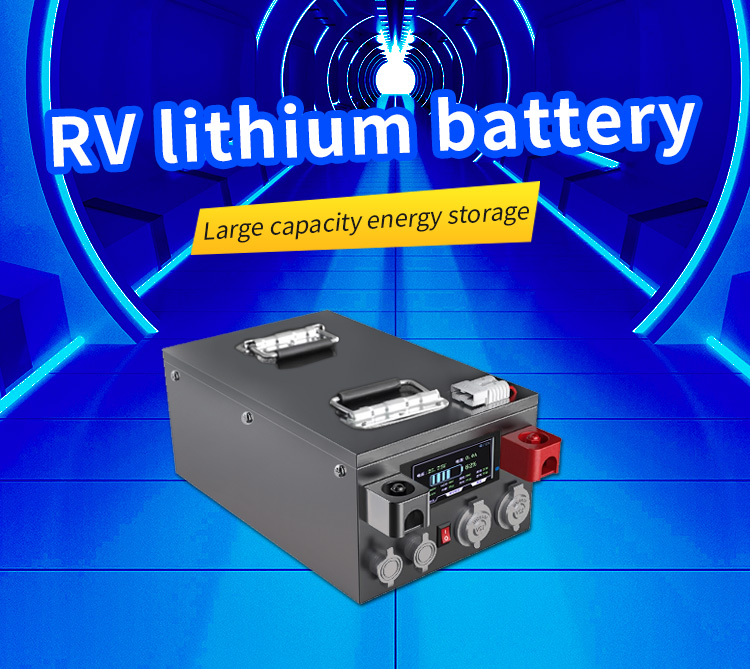
A BESS consists of three main components: the battery pack, the power conversion system (PCS), and the battery management system (BMS). The battery pack stores the energy. The PCS converts between AC and DC power. The BMS monitors battery health, temperature, and voltage to ensure safe operation.
When the system charges, it takes AC power from the grid or renewable sources and converts it to DC for storage. When it discharges, the PCS converts the DC power back to AC for use. A higher-level energy management system (EMS) controls when to charge and discharge based on user settings or market signals.
Types of Batteries Used in BESS
Lithium-ion batteries dominate the BESS market today. They offer high energy density, long cycle life, and falling costs. Within this category, lithium iron phosphate (LFP) is the most popular chemistry for grid-scale storage due to its safety and longevity.
Lead-acid batteries are an older, cheaper technology. They have lower energy density and shorter cycle life. They are still used in some low-cost, small-scale applications. Flow batteries are an emerging technology for long-duration storage. They use liquid electrolytes stored in external tanks. Their main advantage is that power and capacity can be scaled independently.
Key Applications of BESS
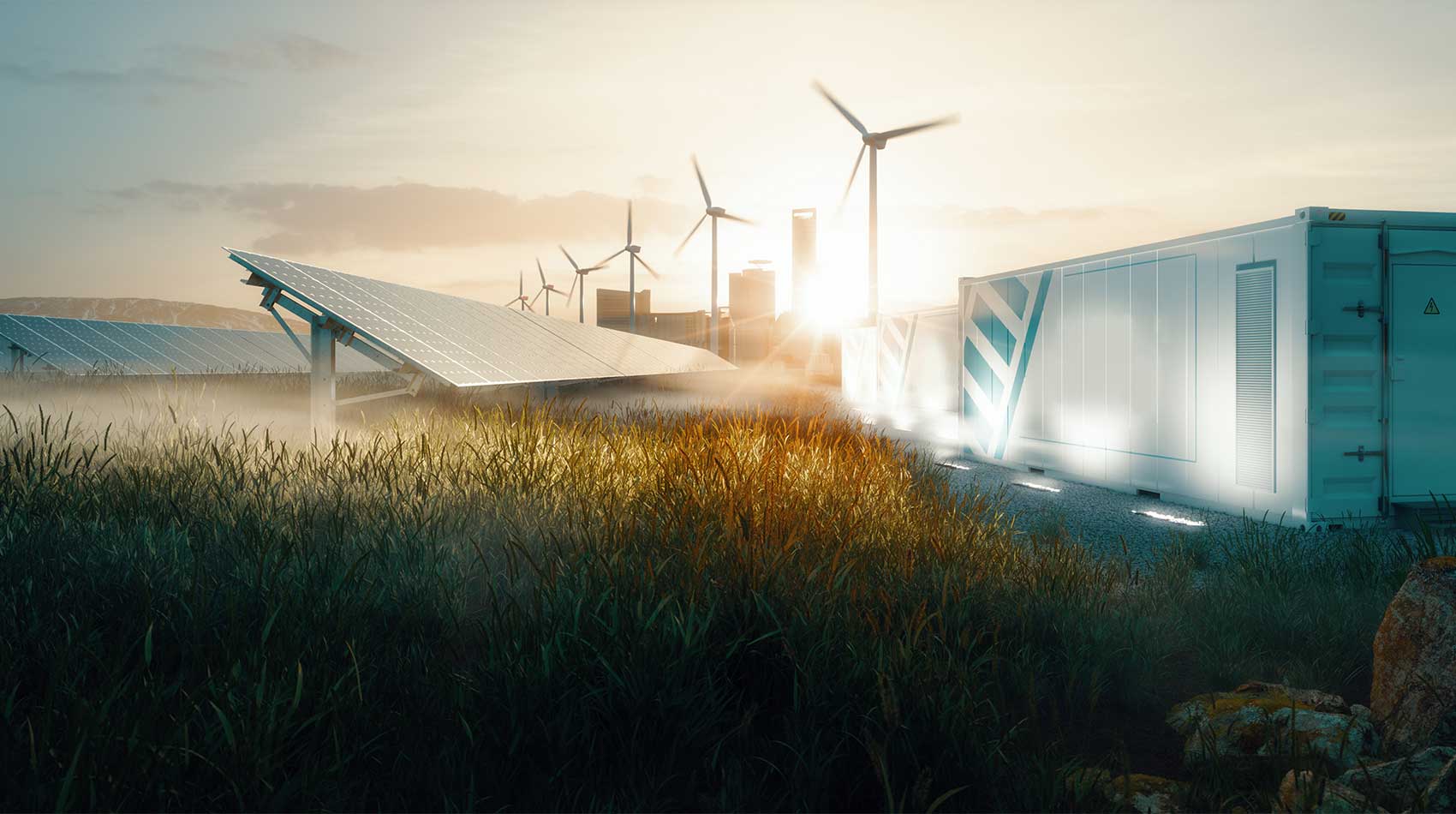
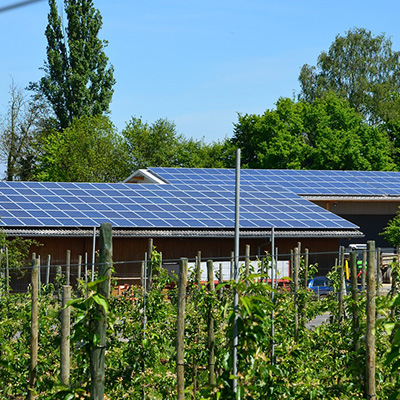
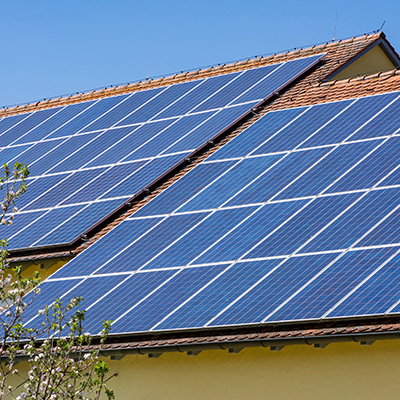
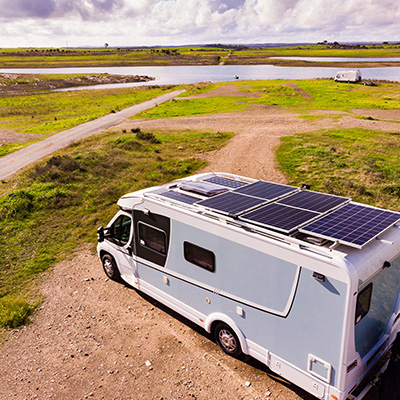
Renewable integration is one of the largest applications. Solar and wind power are intermittent. A BESS stores excess energy when the sun shines or wind blows and releases it when they are not available. This makes renewable power more reliable and grid-friendly.
Peak shaving helps commercial and industrial users reduce their electricity bills. Many utilities charge based on the highest power demand during a billing period. A BESS can discharge during peak hours, reducing the facility’s demand from the grid and saving money.
Frequency regulation is a grid service that maintains the balance between supply and demand. BESS can respond to frequency deviations in milliseconds, much faster than traditional power plants. Grid operators pay for this fast-response capability.
Backup power provides reliability during outages. Residential and commercial BESS keep critical loads running when the grid fails. Unlike diesel generators, batteries start instantly, produce no noise or emissions, and need little maintenance.
Economic Considerations
The cost of BESS has fallen dramatically. In 2010, lithium-ion battery packs cost over 1,000perkilowatt−hour.By2024,thatnumberhaddroppedtoaround100-150 per kWh. This decline has made many BESS applications economically viable without subsidies.
Payback periods vary by application and location. For residential solar-plus-storage, payback typically ranges from 8 to 12 years. For commercial peak shaving, payback can be as short as 3 to 5 years. Utility-scale projects often pencil out immediately due to multiple revenue streams.
However, upfront costs remain a barrier. A 1 MW / 2 MWh BESS for commercial use may cost 700,000to1,000,000 installed. Incentives such as tax credits and rebates can reduce this cost by 30% or more in some regions.
Installation and Safety
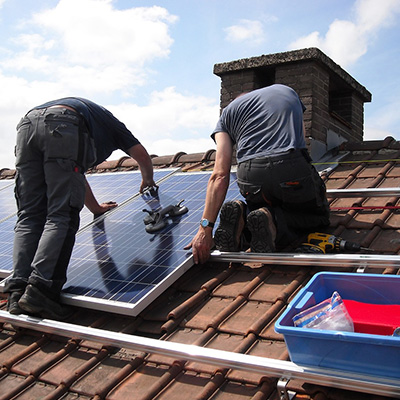
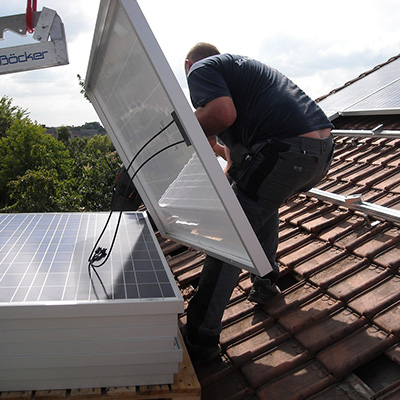
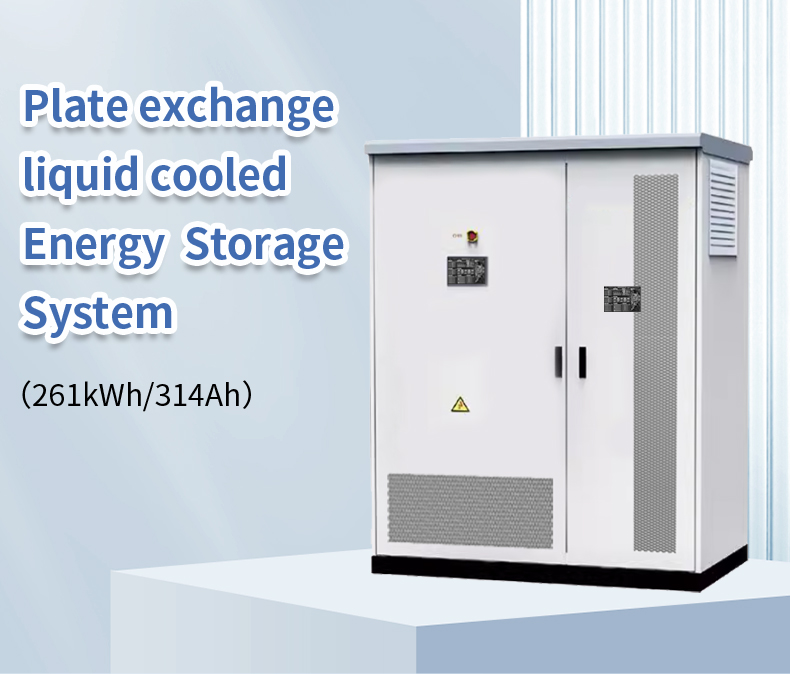
Proper installation is critical for BESS performance and safety. The system should be placed in a well-ventilated area away from direct sunlight and extreme temperatures. Clearance around the unit must be maintained for cooling and service access.
Lithium-ion batteries pose fire and thermal runaway risks if damaged or improperly managed. Modern BESS include multiple safety layers: temperature sensors, voltage monitors, current limiters, and fire suppression systems. Certified systems comply with standards such as UL 9540 and NFPA 855.
Future Trends
The shift to longer-duration storage is accelerating. As grids add more renewables, they need storage that can discharge for 4, 6, or even 12 hours. Lithium-ion remains economical for 2-4 hour applications. For longer durations, flow batteries and iron-air batteries are gaining attention.
Second-life batteries are another emerging trend. EV batteries typically retire when they reach 70-80% of original capacity. These batteries can be repurposed for less demanding stationary storage applications, reducing cost and environmental impact.
AI and advanced analytics are improving BESS performance. Machine learning models predict energy prices, renewable generation, and load patterns with high accuracy. These predictions allow the EMS to optimize charge-discharge schedules automatically.
Conclusion
Battery Energy Storage Systems are transforming how we generate, distribute, and use electricity. They enable higher renewable penetration, lower energy costs, and greater grid reliability. As battery prices continue to fall and technology advances, BESS will become an even more essential part of the energy landscape.
For homeowners, businesses, and utilities alike, the question is shifting from “Should we install storage?” to “How much storage makes sense for us?” The answer depends on local electricity rates, available incentives, and specific energy needs. But the trend is clear: the future of energy is stored.