
What Is BESS?
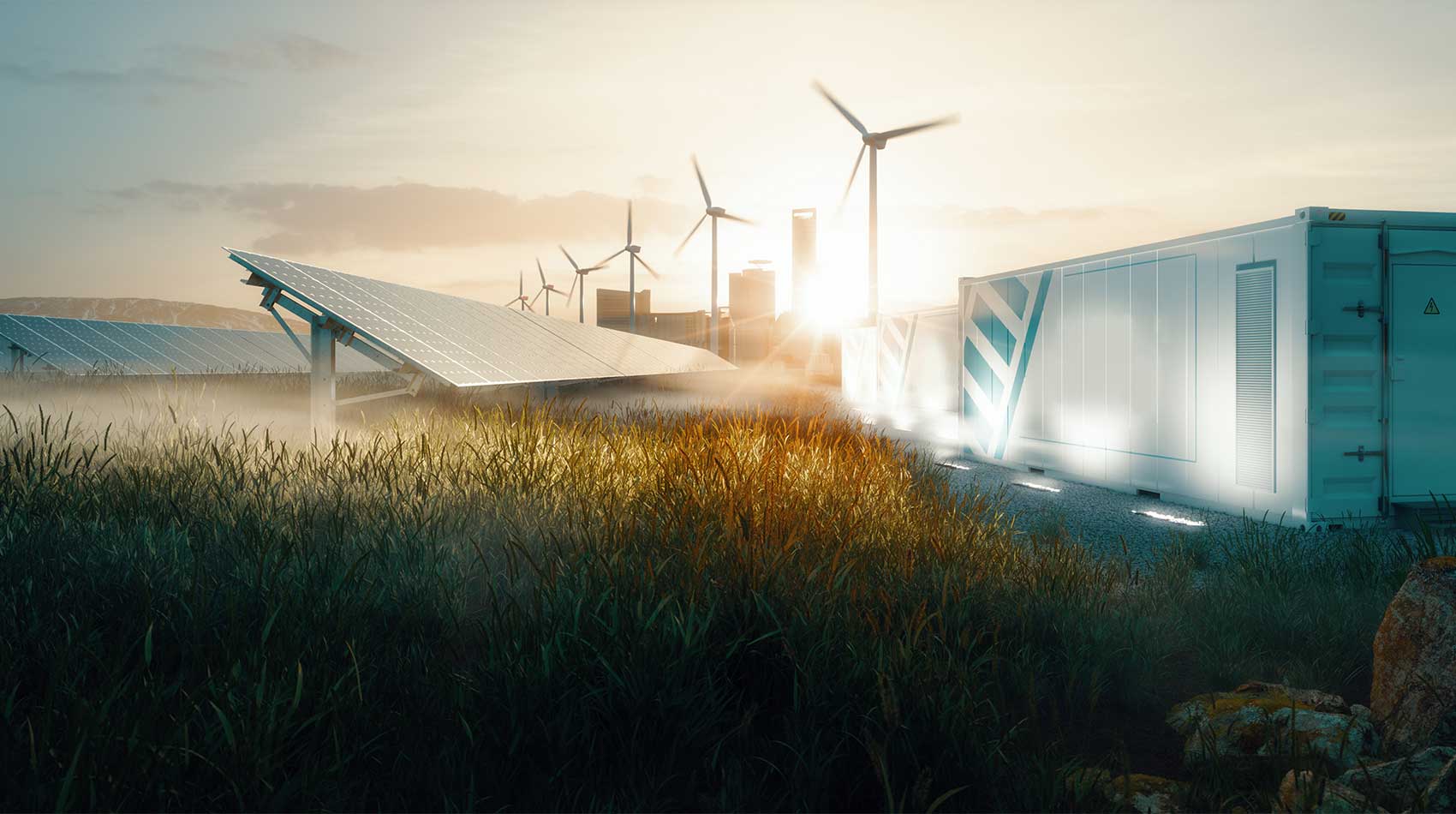
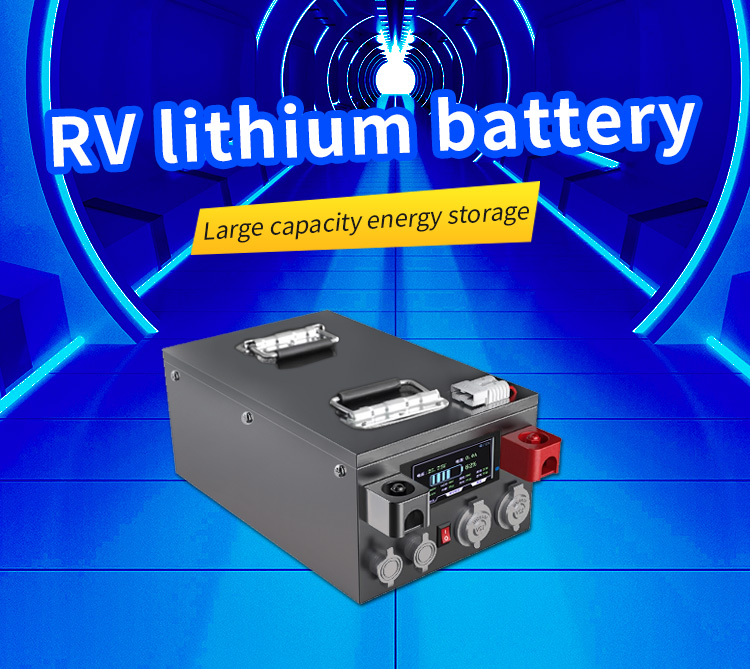
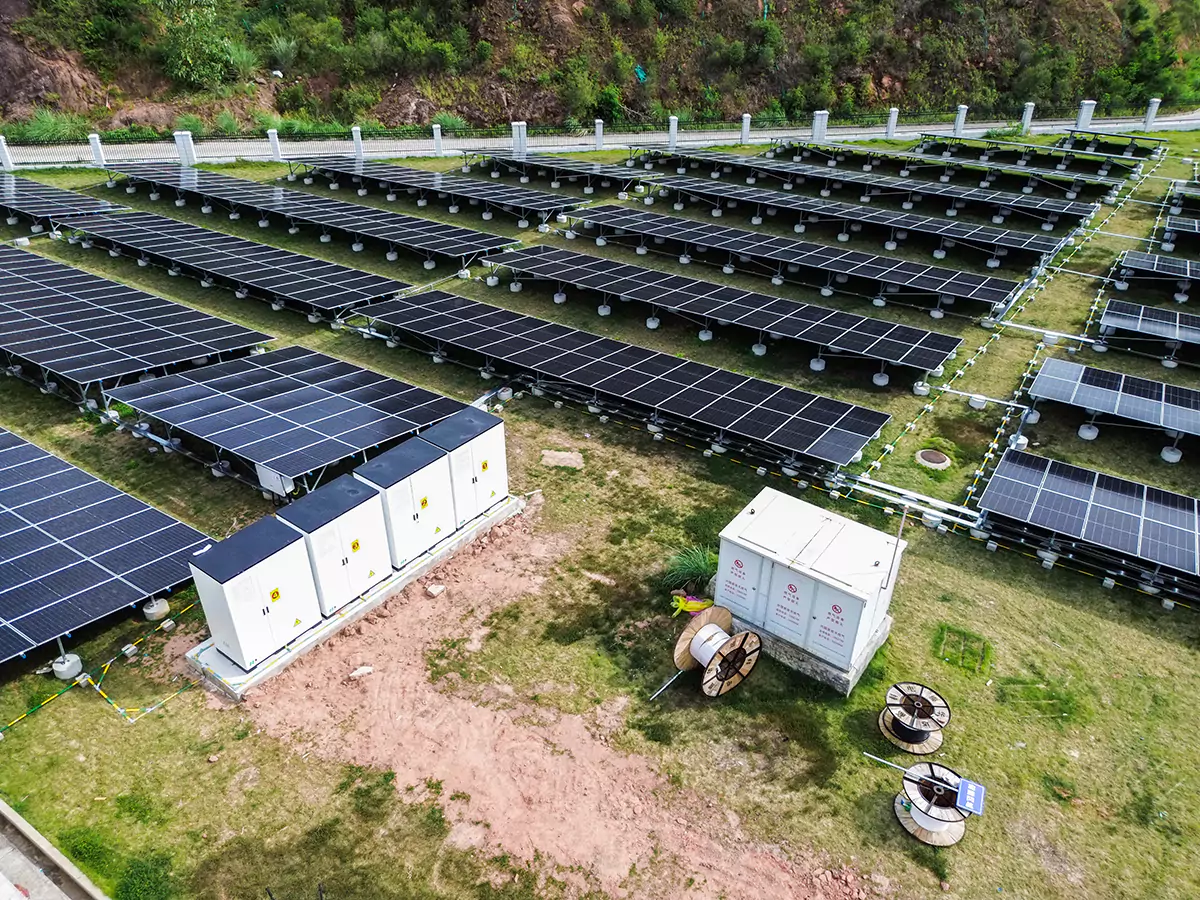
Battery Energy Storage Systems, or BESS, store electrical energy for later use. They charge from the grid or renewable sources when supply exceeds demand. Later, they discharge when electricity is needed most. A typical BESS includes batteries, power conversion hardware, and a control system. Lithium-ion chemistry dominates today’s market due to falling costs and high efficiency.
Why BESS Matters Now
Renewable energy grows fast, but it remains intermittent. Solar panels stop working at night. Wind turbines idle on calm days. BESS bridges these gaps by shifting energy across time. It also stabilizes grid frequency within milliseconds. No other technology responds this quickly to sudden imbalances.
Core Components of a BESS
Battery racks contain thousands of individual cells. These cells connect in series and parallel arrangements to achieve desired voltage and capacity. Cooling systems remove heat generated during charge and discharge cycles. Liquid cooling has become preferred for large installations. Power conversion systems change direct current from batteries into alternating current for the grid. Energy management software decides when to charge, hold, or discharge based on market prices and grid conditions.
Major Applications
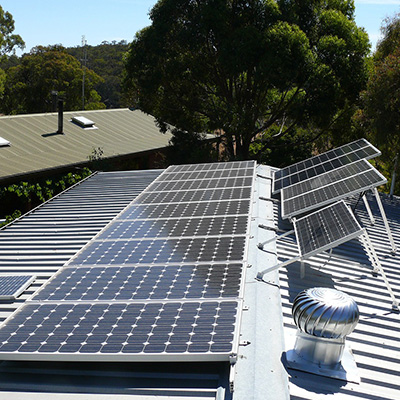
Grid-scale BESS supports transmission networks by deferring expensive upgrades. It also provides backup power during blackouts. Commercial facilities use smaller BESS units to reduce peak demand charges. Residential systems paired with rooftop solar give homeowners energy independence. Each application requires different battery sizing and control strategies.
Economic Drivers
Lithium-ion battery prices have dropped nearly 90 percent over the past decade. Manufacturing scale continues to improve. Revenue from frequency regulation and energy arbitrage can now justify the upfront investment. Some projects pay back their capital costs within four to six years. Policy incentives in many regions further improve the business case.
Technical Challenges
Thermal runaway remains a safety concern for lithium-ion BESS. Overheating in one cell can spread to neighboring cells. Fire suppression systems add cost and complexity. Cycle life also limits profitability. Most batteries lose capacity after 5,000 to 8,000 cycles. Replacement costs must be factored into long-term project finances.
Operational Strategies
Charging during low-price hours and discharging during high-price hours generates arbitrage revenue. Many operators also bid into ancillary service markets. Frequency regulation pays for fast response to grid deviations. Some systems stack multiple revenue streams simultaneously. Smart algorithms optimize daily scheduling without human intervention.
Safety and Standards
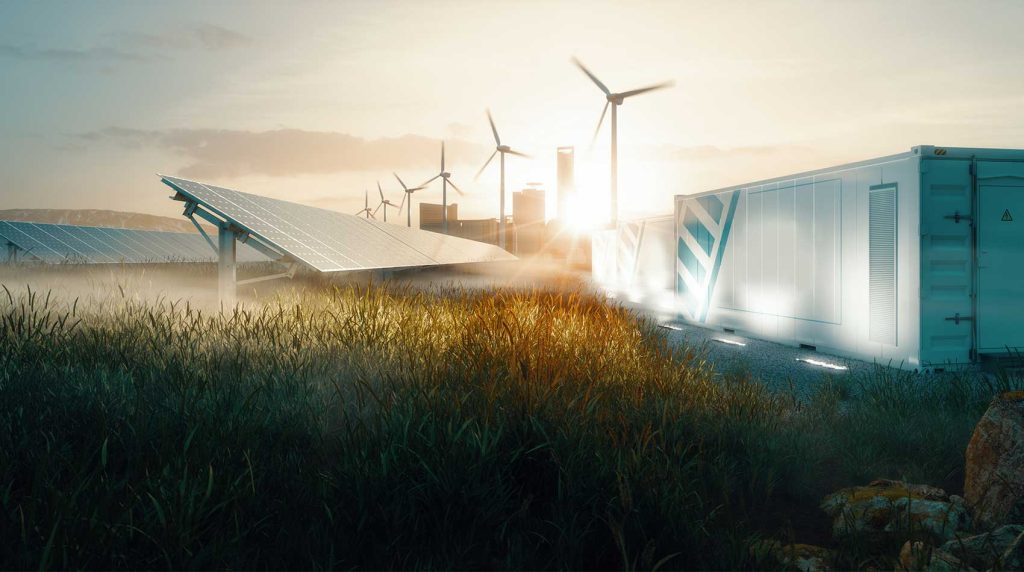
International standards like UL 9540 and IEC 62933 define testing requirements. Thermal management must prevent cells from exceeding recommended temperatures. Adequate spacing between racks allows fire crews to access problem areas. Gas detection systems alert operators before conditions become dangerous. Routine maintenance includes checking contactor integrity and cooling fluid levels.
Environmental Considerations
Battery production requires mining lithium, cobalt, and nickel. These activities carry environmental and social risks. Recycling infrastructure is expanding but remains insufficient. A typical lithium-ion battery contains over 90 percent recoverable materials. Second-life applications for degraded batteries extend useful service before recycling. Water consumption during production also deserves attention.
Future Trends
Solid-state batteries promise higher energy density and improved safety. Sodium-ion technology could replace lithium where weight matters less. Artificial intelligence will enable predictive maintenance and smarter trading. Long-duration storage exceeding eight hours may emerge as the next frontier. BESS will likely integrate more deeply with electric vehicle charging networks and green hydrogen production.
Conclusion
BESS transforms how grids manage variability and uncertainty. It enables higher renewable penetration without sacrificing reliability. Costs continue falling while capabilities improve. No single technology solves every storage need, but BESS leads today’s portfolio. Its role will only expand as energy systems decarbonize worldwide.