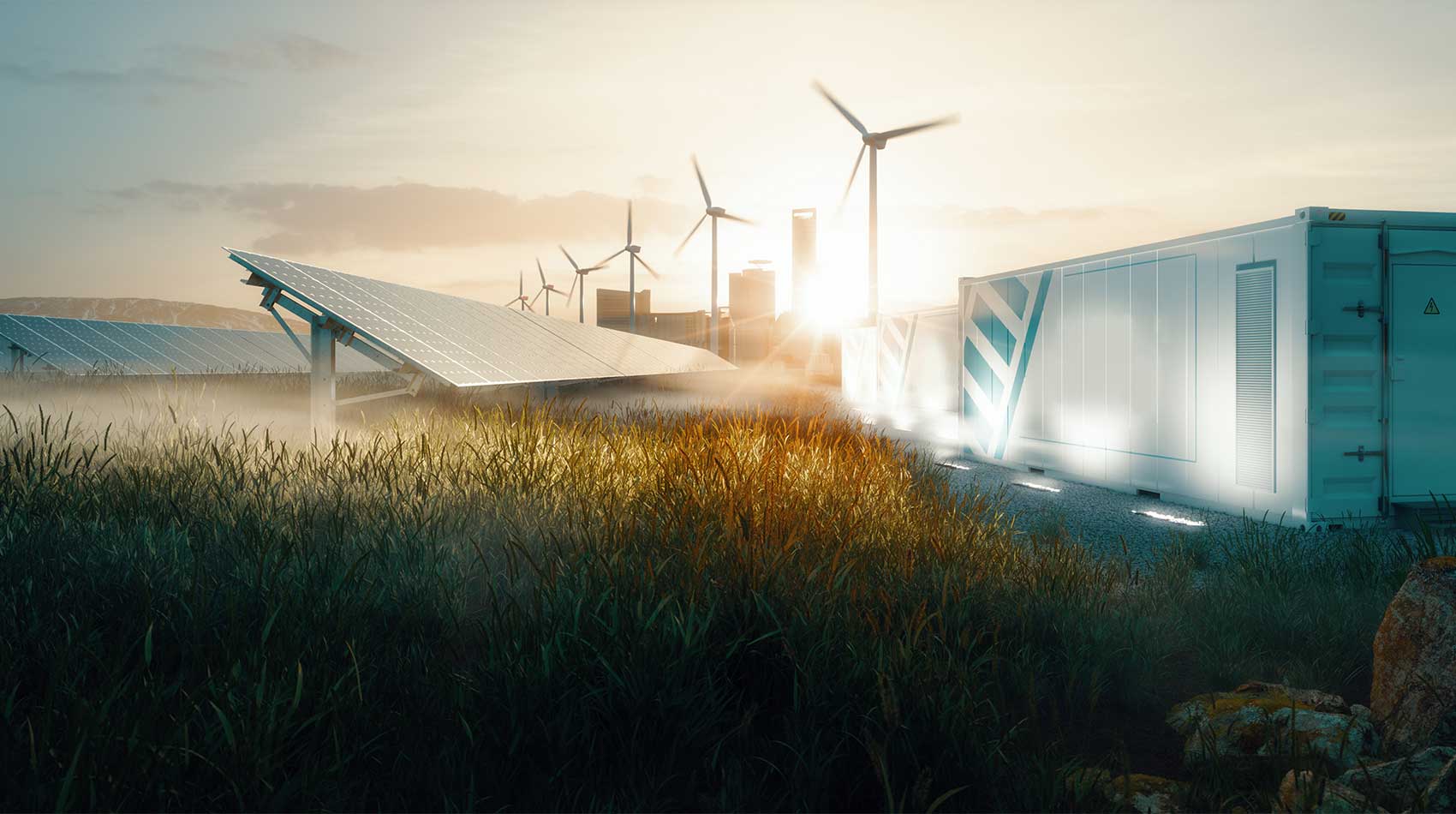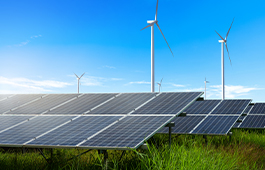

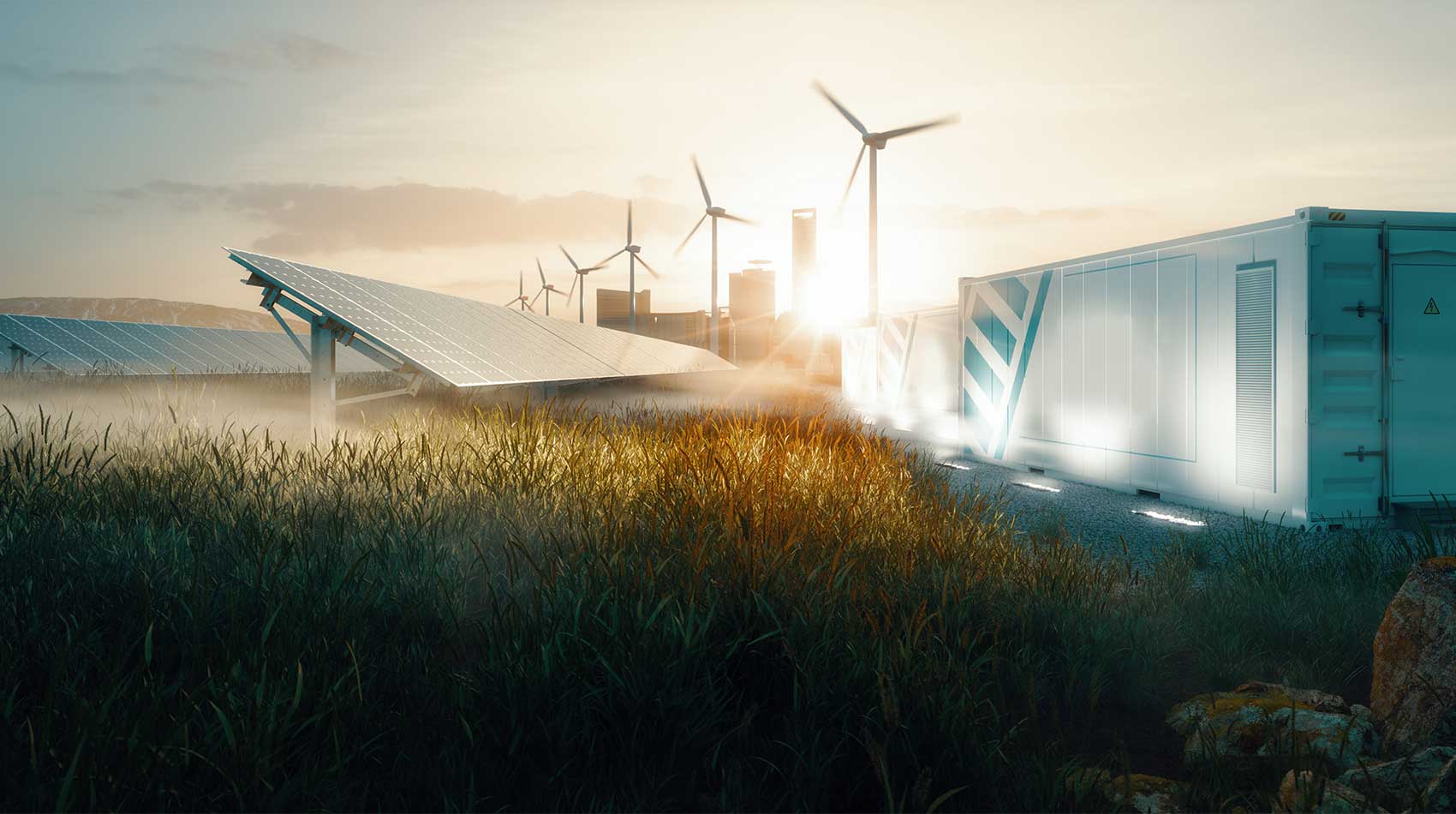
The question “What is the future of energy storage technology?” is one of the most critical inquiries of our time. The answer will determine not just the viability of electric vehicles or the cost of our electricity bills, but the very feasibility of a global energy transition. Without a revolution in how we store power, the sun doesn’t always shine, and the wind doesn’t always blow—rendering our most abundant renewable sources intermittent and unreliable.
The future of energy storage is not a single technology but a diverse, integrated ecosystem. It is a future defined by longer durations, lower costs, greater safety, and the clever integration of multiple solutions, from advanced lithium-ion batteries to giant refrigerators filled with molten salt.
Beyond Lithium-Ion: The Next Generation of Batteries
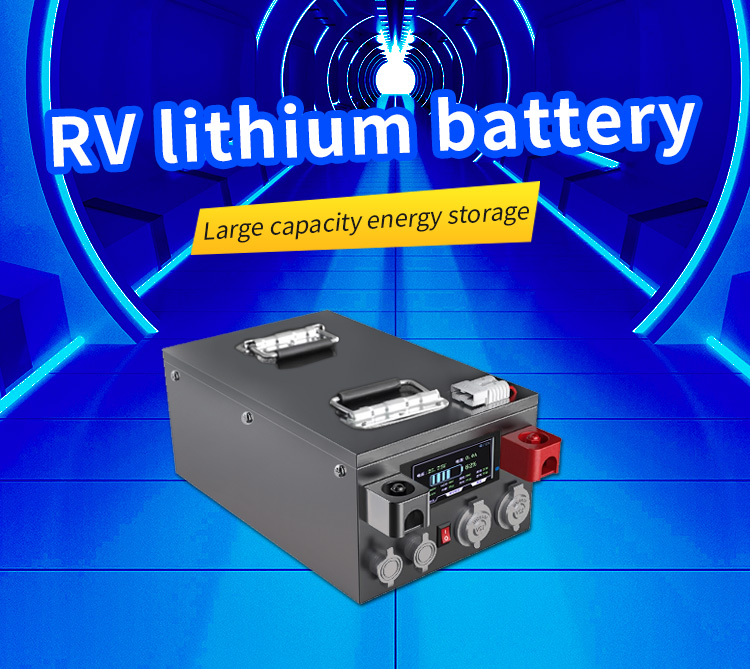
For the past decade, lithium-ion batteries have been the undisputed champions of energy storage, powering everything from smartphones to Tesla’s Megapack grid-scale installations. However, the technology is approaching its theoretical limits regarding energy density, cost, and raw material availability (namely lithium, cobalt, and nickel). The future will see a diversification of battery chemistries.
Solid-State Batteries are widely considered the “holy grail” for the next major leap. By replacing the flammable liquid electrolyte with a solid ceramic or polymer material, solid-state batteries offer dramatically higher energy density (potentially doubling the range of an EV), faster charging times (minutes instead of hours), and inherent safety—they are far less likely to catch fire. Toyota, BMW, and a host of startups aim to bring solid-state batteries to mass-market electric vehicles by the late 2020s or early 2030s.
Sodium-Ion Batteries represent a more near-term and disruptive shift. Sodium is chemically similar to lithium but is 1,000 times more abundant and can be mined from seawater. While sodium-ion batteries currently have a lower energy density than lithium-ion, they are significantly cheaper, safer, and perform far better in cold temperatures. They are poised to dominate stationary grid storage and low-cost electric vehicles, effectively decoupling the battery market from the geopolitical and supply-chain constraints of lithium.
Lithium-Sulfur (Li-S) Batteries offer another compelling path. Sulfur is cheap and abundant, and a Li-S battery can theoretically hold far more energy than a lithium-ion cell of the same weight. The challenge has been rapid degradation. However, breakthroughs in nanotechnology and cathode engineering are solving this problem. Future Li-S batteries could power long-haul electric aircraft and heavy-duty trucks, applications where weight is paramount.
Long-Duration Storage: The Grid’s Critical Need
While batteries handle short-term fluctuations (minutes to hours), a fully renewable grid requires long-duration energy storage (LDES) that can provide power for days, weeks, or even seasons. For example, a week of overcast, windless conditions in winter. The future of LDES is wildly inventive.
Flow Batteries are a leading contender. Unlike solid-state batteries, flow batteries store energy in liquid electrolytes contained in giant external tanks. By simply increasing the size of the tanks, you can increase the storage duration independently of the power output. Vanadium flow batteries are already commercial, but researchers are developing cheaper, more energy-dense chemistries using iron, zinc, and even organic compounds.
Gravity Storage is an elegantly simple concept: use excess renewable energy to lift a massive weight (a block of concrete, a piston of rock) and then generate power by letting it fall. Companies like Energy Vault are using cranes to stack giant blocks, while other systems use abandoned mine shafts. Gravity storage has a very long cycle life and low degradation, offering a durable, mechanical alternative to electrochemical batteries.
Compressed Air Energy Storage (CAES) and Liquid Air Energy Storage (LAES) use energy to compress air into underground caverns or cool it into a liquid. When energy is needed, the high-pressure air is released to drive a turbine. Advanced “adiabatic” CAES systems capture the heat generated during compression and reuse it, dramatically improving efficiency. These systems can be built at gigawatt-hour scales using existing infrastructure.
Thermal and Chemical Storage: The Hidden Giants
The future of energy storage isn’t just about electricity; it’s about storing energy in other forms for direct use.
Molten Salt Storage is already a proven success. Concentrated solar power (CSP) plants use mirrors to focus sunlight, heating molten salt to over 500°C. This heat can be stored for hours and used to generate electricity after sunset. The future will see this concept extended to store excess heat from industrial processes or even from nuclear power plants, providing a source of high-temperature heat for factories or district heating networks.
Green Hydrogen is the ultimate form of seasonal energy storage. Using surplus renewable electricity, an electrolyzer splits water into hydrogen and oxygen. The hydrogen can be stored for months in underground salt caverns and then burned in a turbine or run through a fuel cell to generate electricity when needed. While the “round-trip” efficiency is low (around 30-40%), hydrogen’s ability to be stored indefinitely and at massive scale makes it indispensable for decarbonizing heavy industry (steel, cement, chemicals) and providing true seasonal resilience.
The Intelligent Integration: Software-Defined Storage
Perhaps the most important trend is that the future of storage is not just physical—it is digital. The most powerful battery is a smart one.
Artificial intelligence and machine learning are becoming the operating systems of storage networks. These systems learn consumption patterns, weather forecasts, and real-time electricity prices to make split-second decisions: When do I charge? When do I discharge? Do I sell to the grid or power my home?
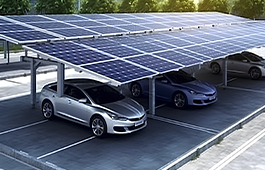
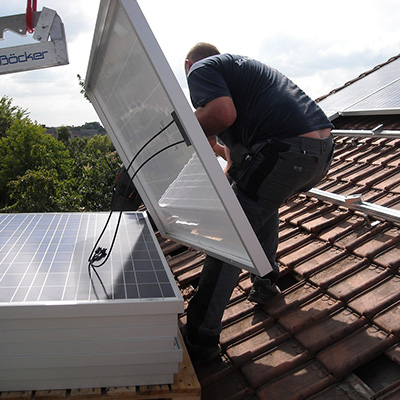
Furthermore, we are moving toward distributed and vehicle-to-grid (V2G) storage. In this future, the millions of batteries sitting in parked electric vehicles become a vast, virtual power plant. Your EV could charge during the day from your solar panels, power your home during the expensive evening peak, and sell its remaining energy back to the grid overnight. Every garage becomes a mini-utility, and every car battery becomes a grid asset.
Conclusion: A Portfolio, Not a Panacea
So, what is the future of energy storage technology? It is not a single winner. It is a portfolio of complementary solutions.
- Solid-state and lithium-sulfur batteries will electrify heavier, longer-range transportation.
- Sodium-ion and flow batteries will make the grid more resilient and affordable.
- Gravity and compressed air will provide durable, long-life mechanical storage.
- Green hydrogen will solve the seasonal challenge and decarbonize heavy industry.
- And AI-driven software will weave it all together into a seamless, intelligent system.
The future of energy storage is a future of abundance, resilience, and true energy independence. It is the key that unlocks the door to a 100% renewable world, transforming the intermittent, variable power of nature into a reliable, on-demand foundation for modern civilization. The question is no longer if this future will arrive, but how quickly we can build it.