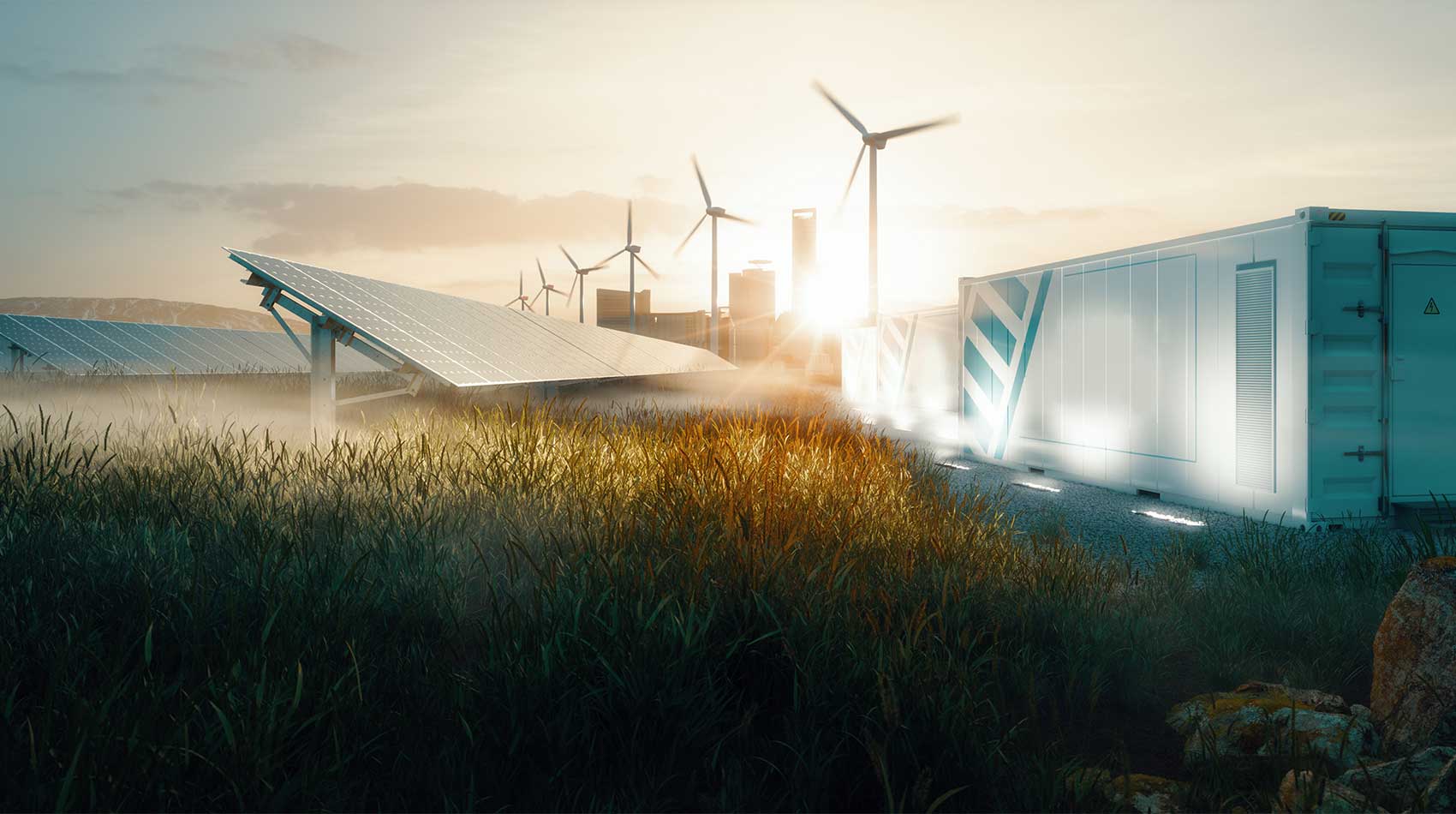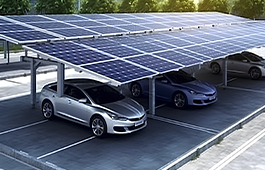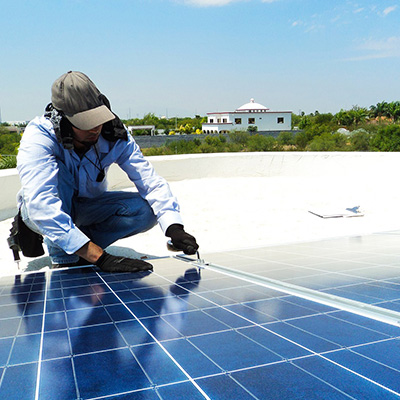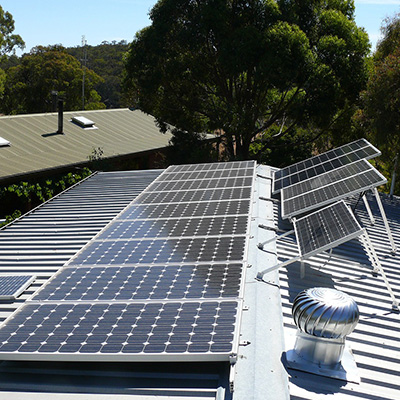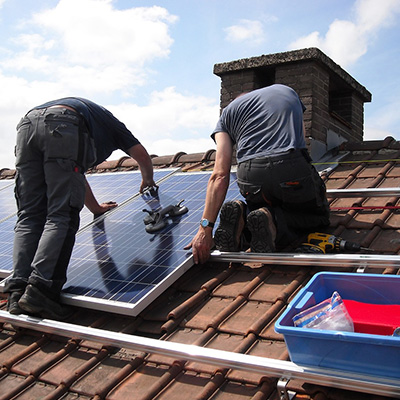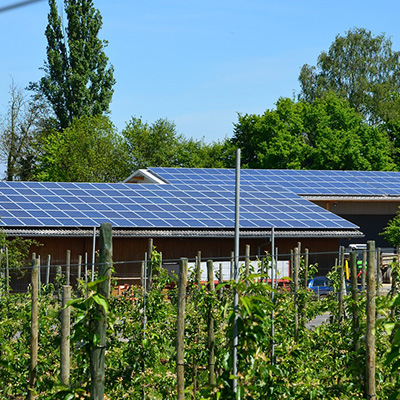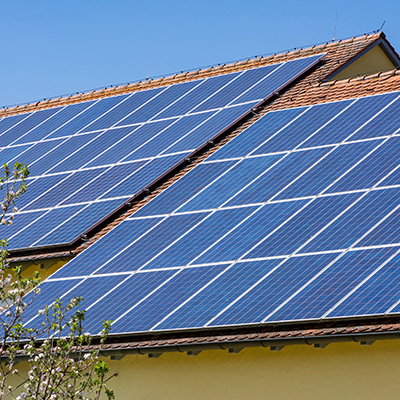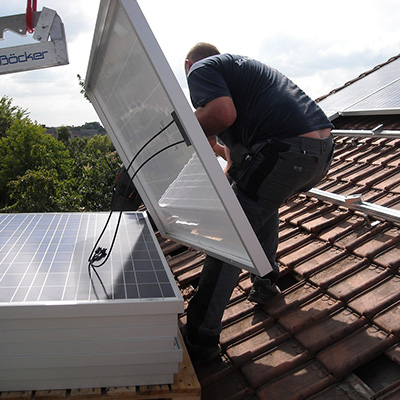

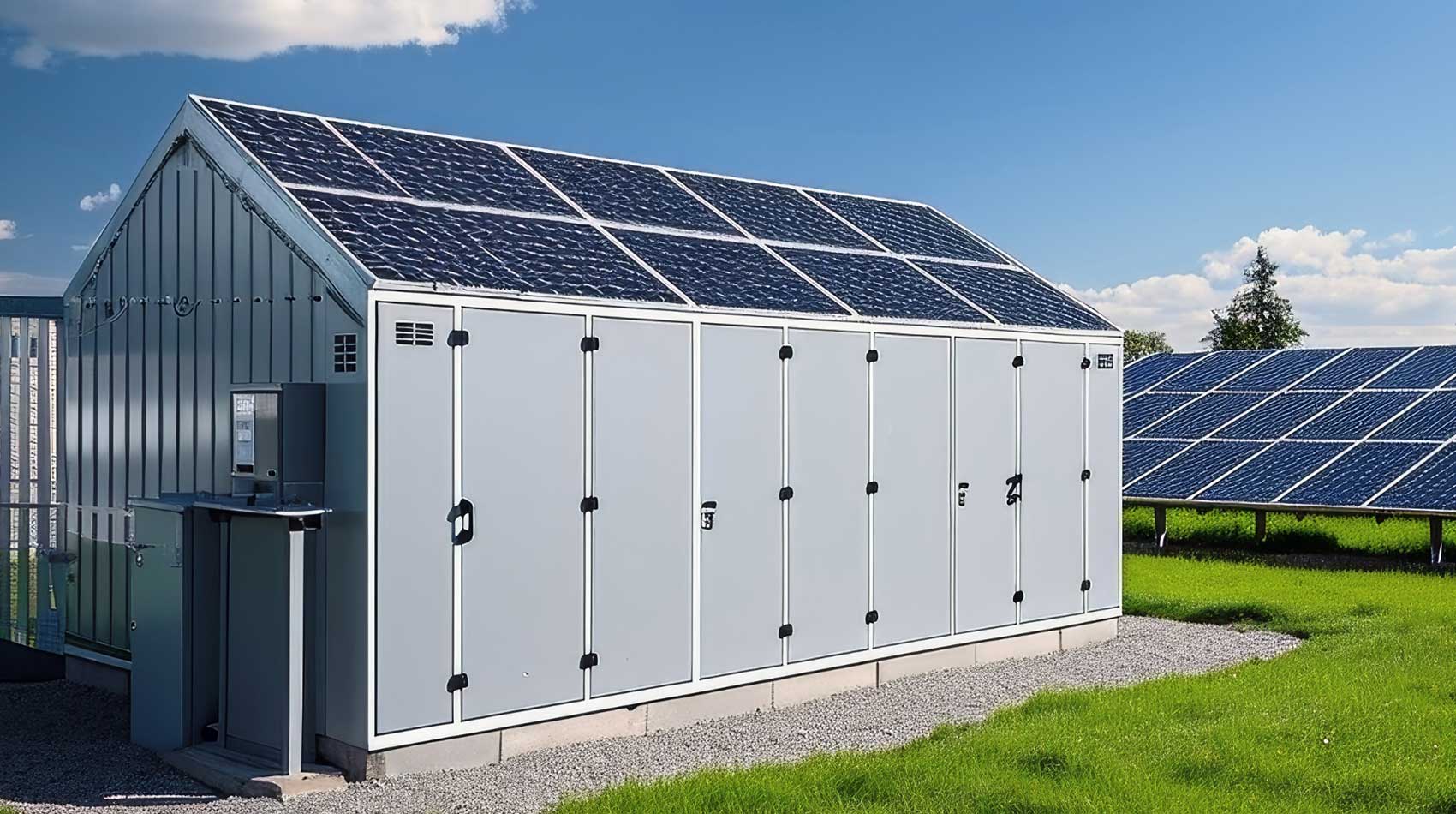
On a typical summer afternoon, solar panels on a factory roof generate more electricity than the building can use. At night, those same panels sit idle while the factory draws expensive power from the grid. A Battery Energy Storage System (BESS) solves this mismatch — storing the afternoon’s surplus and releasing it when it’s actually needed.
But how exactly does a BESS take electricity, put it into a battery, and later return it to a building or the grid? The answer involves chemistry, power electronics, and smart control systems working in precise coordination.
The Core Components
A complete BESS is far more than just a stack of batteries. Four key subsystems work together:
1. Battery Cells & Modules
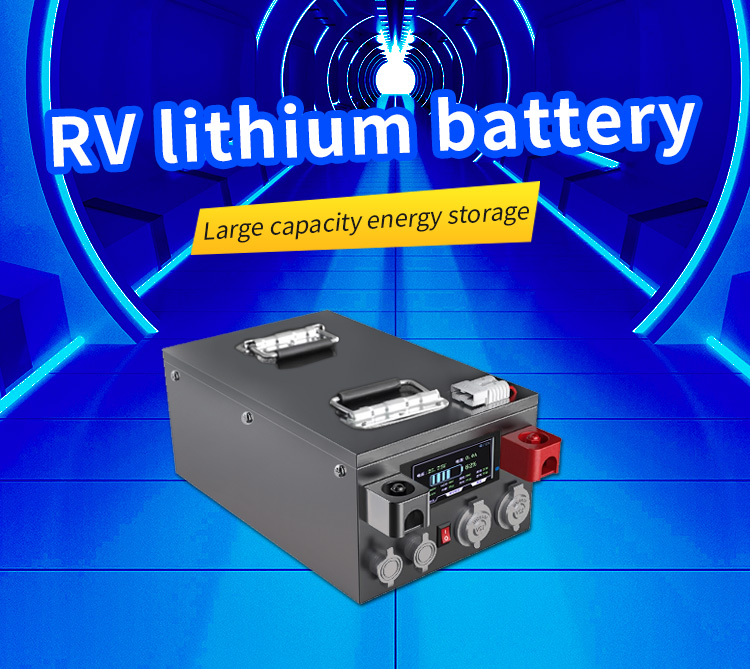
Individual battery cells (most commonly lithium-ion) are assembled into modules, then into racks, and finally into full battery enclosures. The chemistry determines performance: lithium iron phosphate (LFP) dominates grid-scale applications for its safety and long cycle life, while nickel manganese cobalt (NMC) offers higher energy density for space-constrained installations.
2. Battery Management System (BMS)
The BMS is the battery’s guardian. It continuously monitors voltage, current, and temperature of each cell. If a cell gets too hot or drifts outside safe voltage limits, the BMS disconnects that section of the battery. It also performs cell balancing — ensuring all cells charge and discharge evenly, which dramatically extends system lifespan.
3. Power Conversion System (PCS) or Inverter
Batteries store direct current (DC) , but the grid and most buildings run on alternating current (AC) . The PCS converts AC from the grid to DC for charging the battery, and converts DC from the battery back to AC when discharging. Modern inverters also control power quality — adjusting voltage, frequency, and reactive power to support grid stability.
4. Energy Management System (EMS)
The EMS acts as the brain of the operation. It decides when to charge, when to discharge, and how much power to move. The EMS follows user-defined rules (e.g., “charge during cheap night rates, discharge during expensive peak hours”) or responds to real-time signals from the grid operator or a solar array.
The Operating Cycle: Step by Step
Let’s walk through a typical 24-hour cycle of a commercial BESS paired with solar panels:
Morning to Midday (Charging)
As the sun rises, solar production climbs. The building’s load is still low. The EMS senses excess solar power and directs the inverter to convert that AC solar power to DC. The BMS verifies that all battery cells are within safe temperature and voltage ranges, then allows current to flow into the battery bank. Lithium ions migrate from the cathode to the anode — storing energy in chemical form. By noon, the battery reaches its target state of charge (say, 90%).
Late Afternoon (Holding)
Solar production begins to decline, but the building load remains moderate. The EMS puts the system into standby — no charging, no discharging. In this state, the BMS continues monitoring but the inverter idles. Self-discharge is minimal (typically less than 1-2% per month for lithium-ion).
Evening Peak Hours (Discharging)
At 6 p.m., electricity rates spike. The building load also rises as lights and HVAC systems operate. The EMS issues a discharge command. The inverter converts DC power from the battery back to AC, synchronized precisely with the grid’s 60 Hz frequency (or 50 Hz in many regions). Lithium ions now migrate back to the cathode, releasing stored energy. The building draws primarily from the battery, avoiding expensive peak-rate grid power. Discharging continues until the battery reaches its minimum safe state of charge — typically 10-20%, leaving a buffer to protect cell health.
Overnight (Idle or Secondary Charging)
After peak hours, rates drop. If the building needs overnight power, it switches back to grid supply. The battery may receive a small top-up charge from low-cost overnight grid power, preparing for the next day’s solar generation.
Beyond Simple Charge-Discharge: Advanced Capabilities
Modern BESS can do far more than shifting solar power from afternoon to evening:
Frequency Regulation
Grid frequency must stay within a narrow band (e.g., 60 ± 0.05 Hz in North America). When frequency drops (more load than generation), a BESS can inject power in milliseconds — far faster than a gas turbine starting up. When frequency rises, the BESS absorbs excess power. This “grid-following” or increasingly “grid-forming” capability is one of the most valuable services a BESS provides.
Peak Shaving
For commercial customers with demand charges (fees based on the highest 15-minute average power use in a month), a BESS can detect a sudden load surge — say, multiple elevators starting at once — and instantly discharge to keep the facility’s grid draw below a threshold, saving thousands of dollars per month.
Black Start Capability
Most power plants need external electricity to start up after a blackout. A BESS with black start capability can energize its own controls from its stored energy, then gradually restart nearby generation — restoring power without relying on a functioning grid.
Efficiency: The Round-Trip Losses
No BESS is 100% efficient. Every conversion step loses a small amount of energy:
- AC to DC conversion (inverter/rectifier): 96-98% efficient
- DC charging into battery: 97-99% efficient
- Storage (self-discharge): negligible over 24 hours
- DC discharging from battery: 97-99% efficient
- DC to AC conversion: 96-98% efficient
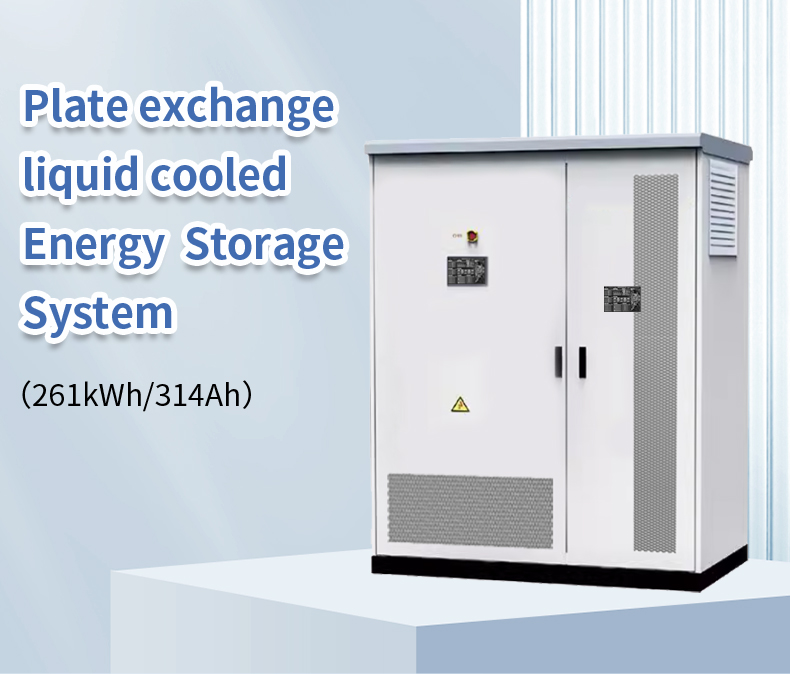
Multiply these together: typical round-trip efficiency for a lithium-ion BESS is 85-92%. That means for every 100 kWh put into the system, you get back 85-92 kWh. The “lost” energy becomes heat, which the system’s thermal management must remove — another reason cooling is essential.
Safety Systems: What Prevents Disaster?
Lithium-ion batteries contain flammable electrolytes and store enormous energy in a small volume. A single cell’s failure can trigger thermal runaway — a chain reaction of overheating. Modern BESS includes multiple layers of protection:
- Cell-level fuses and current interrupt devices
- Thermal barriers between cells to slow propagation
- Gas detection sensors for early warning of off-gassing
- Fire suppression systems (often aerosol or clean agent, not water)
- Containment and venting to direct any explosion away from personnel
- Remote monitoring that alerts operators to abnormal temperature rise long before critical failure
The Future: Smarter, Safer, Longer
Three trends are reshaping how BESS works:
Artificial Intelligence Optimization
Instead of following fixed rules, AI-driven EMS learns building load patterns, weather forecasts, and electricity market prices. It predicts tomorrow’s solar production and chooses the optimal charge/discharge strategy — sometimes charging partially today because tomorrow’s forecast calls for clouds.
Second-Life Batteries
Electric vehicle batteries typically retire at 70-80% capacity. These “second-life” batteries still have 5-10 years of useful life in stationary BESS applications, reducing cost and environmental impact.
Solid-State Batteries
Replacing liquid electrolyte with a solid material promises higher energy density, no flammability, and much longer cycle life. Solid-state BESS remains expensive today, but several manufacturers aim for commercial production by 2028.
In Summary
A Battery Energy Storage System works by converting electrical energy to chemical energy (charging) and back again (discharging), under the precise control of a BMS, inverter, and EMS. It shifts energy in time — from when it’s abundant and cheap to when it’s scarce and valuable. And increasingly, it does far more: stabilizing the grid, lowering demand charges, and providing backup power.
As renewable energy grows and battery costs continue to fall, the question is no longer whether to deploy BESS, but how quickly the world can scale up manufacturing and installation. The basic principles are mature; now the race is on to make storage cheaper, safer, and smarter.