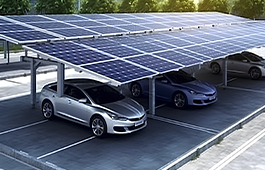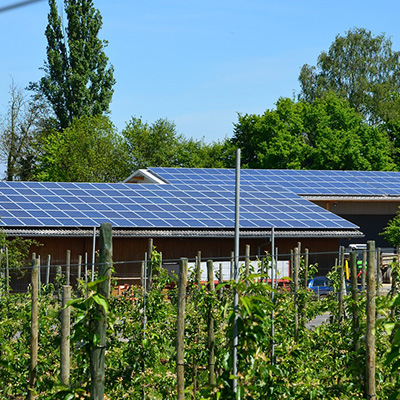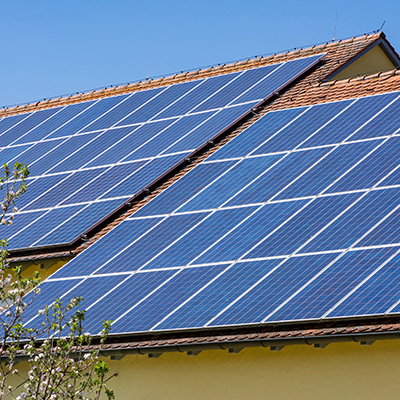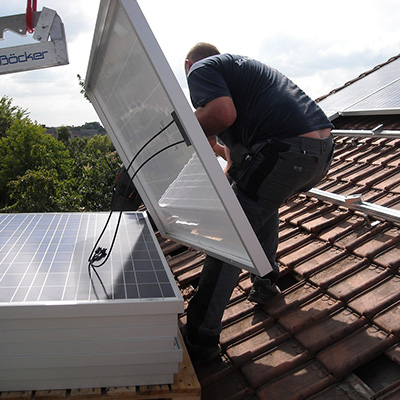

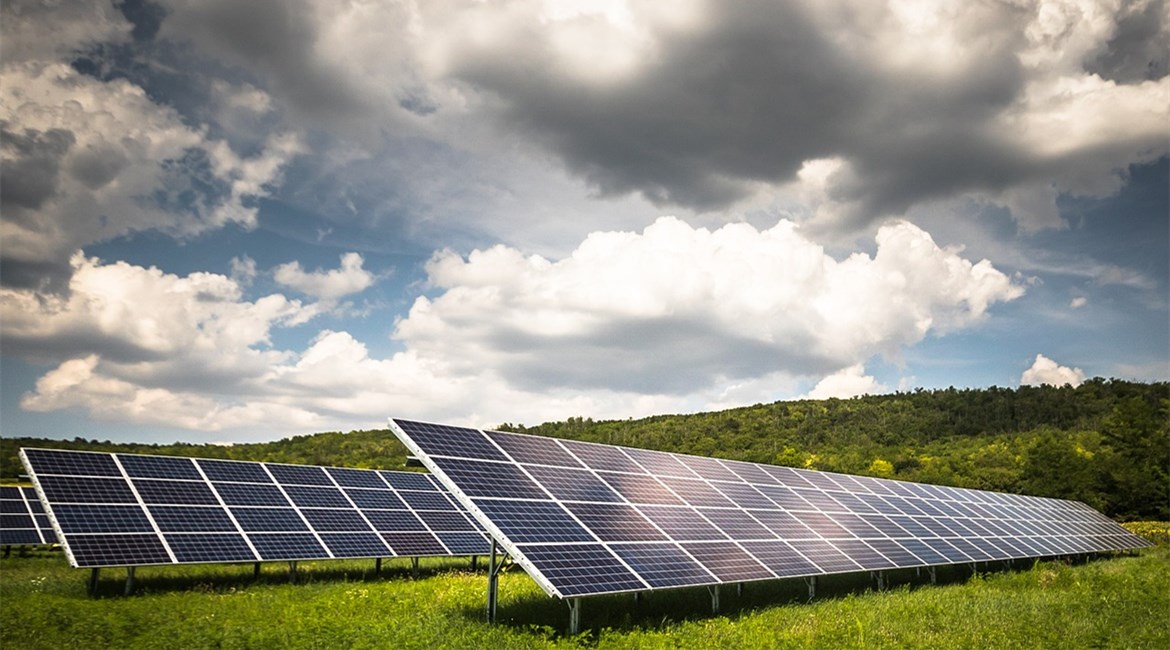
In the era of the global energy transition, the solar panel has become the most recognizable symbol of renewable technology. From the rooftops of suburban homes to vast arrays stretching across deserts, these silent power plants are reshaping how humanity generates electricity. But beyond its appearance, what is the precise definition of a solar panel, and how does it function within the complex ecosystem of modern physics and electrical engineering?
1. The Fundamental Definition
At its most technical level, a solar panel is a collection of photovoltaic (PV) cells—semiconductor devices designed to convert light energy directly into electrical energy.
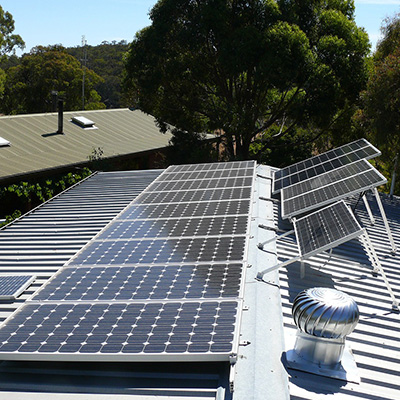
The term “panel” refers to the structural framework that houses these cells, protecting them from environmental degradation while connecting them electrically. In scientific literature, a solar panel is often referred to as a Photovoltaic Module. When multiple modules are linked together to provide power for a building or a grid, they constitute a Solar Array.
2. The Science: The Photovoltaic Effect
To truly define a solar panel, one must understand the Photovoltaic Effect, first observed by Edmond Becquerel in 1839 and later explained by Albert Einstein (a feat that earned him the Nobel Prize).
The Atomic Level
Most solar panels are manufactured using Silicon (Si), a semiconductor. This silicon is “doped” with specific impurities to create two layers:
- P-type (Positive): Created by adding atoms (like Boron) that have fewer electrons, resulting in “holes.”
- N-type (Negative): Created by adding atoms (like Phosphorus) that have extra electrons.
The Conversion Process
When photons (particles of light) strike the surface of the solar cell, they transfer energy to the electrons in the silicon. If the energy is sufficient, it “knocks” an electron loose. Because of the internal electric field created by the P-N junction, these loose electrons are forced to move in a specific direction, creating a flow of Direct Current (DC) electricity.
3. Anatomy of a Modern Solar Panel
A solar panel is an engineered “sandwich” designed to survive 25 to 30 years of harsh outdoor exposure. In 2026, the standard architecture consists of several specialized layers:
- Tempered Protective Glass: The top layer, designed to be high-transparency and impact-resistant (capable of withstanding hail and high winds).
- Encapsulant (EVA): A thin, glue-like layer of Ethylene Vinyl Acetate that seals the cells, preventing moisture ingress and cushioning them against vibration.
- Solar Cells: The active semiconductor layer, typically connected in series to increase the voltage output.
- Backsheet: A highly durable polymer layer that provides electrical insulation and protects the panel from humidity and UV degradation.
- Aluminum Frame: A rigid perimeter that allows for secure mounting and provides mechanical strength.
- Junction Box: Located on the rear, this contains the cables and bypass diodes that prevent the panel from overheating if one part is shaded.
4. Categories and Classifications
The definition of a solar panel varies depending on the technology used to manufacture the cells. In 2026, the market is dominated by three main types:
- Monocrystalline Panels: These are made from a single, continuous crystal structure of silicon. They are defined by their high efficiency (often exceeding 22%) and sleek black appearance.
- Polycrystalline Panels: Made from many silicon crystals melted together. They are typically blue and less efficient but more cost-effective.
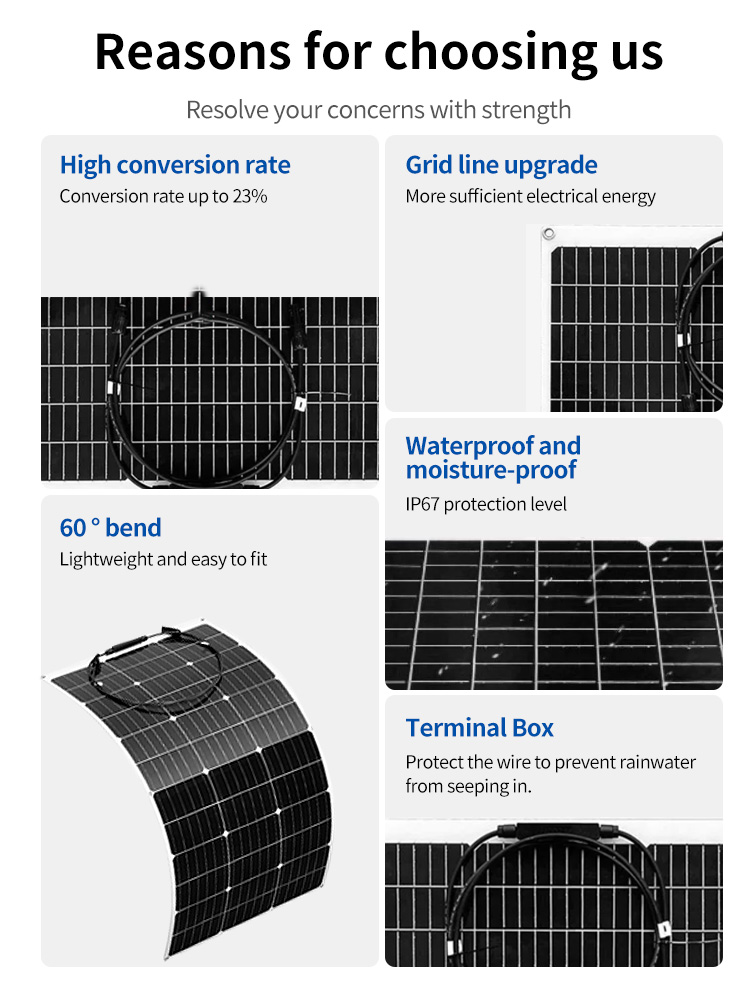
- Thin-Film (TFSC): Created by depositing one or more thin layers of photovoltaic material (like Cadmium Telluride) onto a substrate. These are flexible and lightweight, often used in portable chargers or building-integrated designs.
- Bifacial Panels: A modern innovation that defines the “new standard” in 2026. These panels can capture light on both the front and the back, utilizing light reflected from the ground to increase energy yield by up to 30%.
5. Beyond Hardware: The Solar Panel as a Catalyst
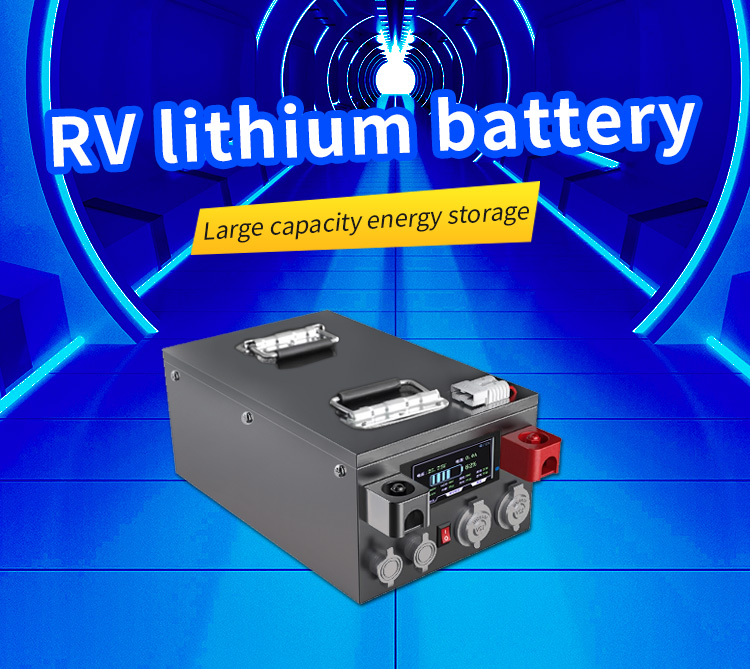
Today, the definition of a solar panel has evolved from a simple “component” to a “smart asset.” Integrated with Energy Storage Systems (ESS) and Micro-inverters, solar panels are now active participants in the Smart Grid. They are no longer just passive receivers of light; they are the nodes of a decentralized energy internet.
Through the integration of IoT sensors, modern panels can now report their health, temperature, and efficiency in real-time to a user’s smartphone, allowing for predictive maintenance and optimized energy consumption.
Conclusion
A solar panel is far more than a sheet of glass and silicon. It is a sophisticated energy transducer that bridges the gap between the sun’s nuclear fusion and our digital world. By defining solar panels through their ability to harness the most abundant energy source in the universe, we recognize them as the most critical tool in the fight against climate change and the journey toward global energy independence.