
Introduction
A common question for those considering investing in solar energy is about the longevity of the panels. You might wonder: will they still be working efficiently when the payback period is over? The straightforward answer is that most solar panels come with a performance warranty of 25 to 30 years, and they are designed to last at least that long. However, their actual functional lifespan can extend well beyond this warranty period. The key nuance is that “lasting” doesn’t mean producing 100% of their original output; it means they will continue to generate a significant amount of electricity for decades.
Industry Standard Lifespan and Degradation
The solar industry standard lifespan of 25-30 years is based on a well-understood concept: degradation. From the first day of operation, solar panels very slowly lose their ability to convert sunlight into electricity. High-quality panels degrade at a rate of about 0.5% to 0.9% per year.
- Year 1: Most panels experience a slight initial drop in output (around 1-2%).
- Year 25: A panel with an annual degradation rate of 0.7% will still operate at approximately 80-85% of its original capacity.
This gradual decline is factored into the system’s long-term energy yield calculations. Reputable manufacturers provide a linear performance guarantee, often ensuring 80% or more of the original power output at the end of the 25-year warranty.
It’s important to note that some recent research suggests a degree of variability in this expectation. One large-scale study indicated that while most systems perform as predicted, a subset degrades much faster. The study found that roughly one in five systems degraded 1.5 times faster than the typical rate, and about one in twelve degraded twice as fast. For these panels, effective lifespan and energy output could be significantly lower than the 25-year benchmark.
Solar panel supplier,
Solar panel installation,
Solar panel prices
Factors Affecting Solar Panel Degradation and Lifespan
Several environmental and material factors influence how quickly a panel degrades. The following table summarizes the key issues, their causes, and potential mitigation strategies.
| Factor | Primary Causes | Impact on Panels | Mitigation Strategies |
|---|---|---|---|
| Environmental Stress | UV exposure, thermal cycling (heat/cold), humidity, snow/wind loads. | EVA encapsulant yellowing, backsheet cracking, corrosion of cell interconnects, micro-cracks in cells. | Use of high-quality, UV-resistant materials; robust frame design; proper installation to allow thermal expansion. |
| Potential Induced Degradation (PID) | High voltage difference between the cells and the panel frame. | Significant, rapid power loss due to ion movement within the cells. | Use of PID-resistant cells, proper system grounding, and high-quality encapsulation materials. |
| Manufacturing & Material Defects | Poor solder joints, substandard cell quality, defective junction box diodes. | Hot spots, open circuits, delamination, early failure. | Choosing panels from manufacturers with stringent quality control and comprehensive reliability testing. |
| Soiling & Shading | Accumulation of dust, pollen, bird droppings, or shade from nearby objects. | Reduced light absorption, leading to localized power loss and potential hot spots. | Regular cleaning, trimming of overgrown vegetation, site selection to minimize shading. |
Maintenance for Longevity
Solar panels require minimal but crucial maintenance to ensure they reach or exceed their expected lifespan.
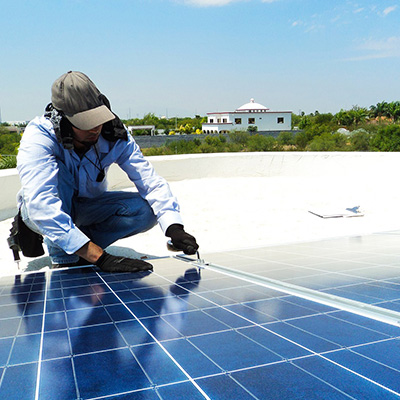
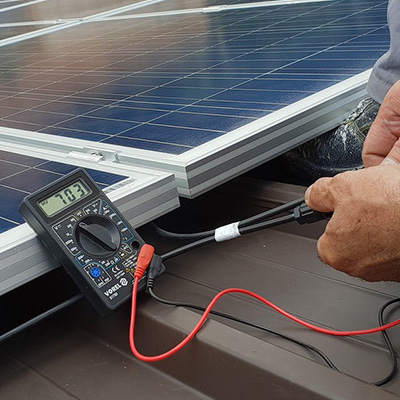
- Regular Inspections: Have a professional installer or operator check the system periodically for loose racking, damaged wiring, or any visible issues like cracks or corrosion.
- Keep Them Clean: In areas with little rain or high dust, periodic cleaning with water can prevent significant energy losses from soiling. Note: Always follow the manufacturer’s cleaning guidelines to avoid damage.
- Monitor Performance: Most modern systems have online monitoring. A sudden or steady drop in output can be the first sign of a problem, allowing for early intervention.
End of Life and Recycling
With the first major wave of installations now reaching retirement age, end-of-life management is a growing focus. A panel at the end of its functional life is not worthless; it’s composed of valuable materials like glass, aluminum, silicon, and small amounts of silver and copper.
- Recycling Process: Specialized facilities can mechanically and chemically separate these materials. For instance, up to 90% of the glass and 95% of the semiconductor material can be recovered and reused.
- Regulatory Landscape: The EU has led the way with its WEEE Directive, mandating producer responsibility for recycling. Other regions, like Taiwan, have implemented pre-paid recycling fees for new installations to fund future recycling.
- The Challenge & Opportunity: The volume of PV waste is projected to grow exponentially, potentially reaching over 80% of total installed capacity by 2050. Developing efficient, cost-effective recycling is essential for the sustainability of the entire solar industry and represents a significant economic opportunity.
Conclusion
So, how many years do solar panels last? You can confidently expect 25 to 30 years of strong, warranty-backed performance. With proper selection, installation, and minimal maintenance, they will likely continue producing useful electricity for even longer. Solar panel manufacturers build their industry on the promise of delivering long-term, clean energy. As the technology matures, the industry is expanding its focus to responsibly handle retired panels through emerging recycling ecosystems, thereby closing the loop on the solar lifecycle.