Introduction
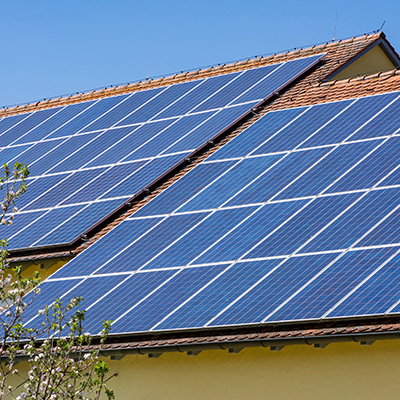
In an era increasingly focused on sustainable energy, solar panels have emerged as a prominent symbol of the clean energy transition. These sleek, glass-covered modules, often seen on rooftops or in vast solar farms, possess the remarkable ability to convert sunlight directly into electricity. But how exactly do they accomplish this? The process, rooted in a fundamental physical phenomenon and advanced materials science, is both elegant and ingenious. This article will demystify the inner workings of solar panels, explaining the step-by-step journey from sunlight to usable electrical power.
1. The Photovoltaic Effect: The Core Principle
At the heart of every solar panel is the photovoltaic (PV) effect, the physical and chemical process that makes solar power possible. Discovered in 1839 by French physicist Edmond Becquerel, the photovoltaic effect occurs when certain materials generate an electric current upon exposure to light. Modern solar cells leverage this effect using semiconductor materials, primarily silicon, which is chosen for its ideal electronic properties and abundance.
2. From Sand to Semiconductor: The Role of Silicon
Silicon, derived from quartz sand, is the second most abundant element in the Earth’s crust. In its pure, crystalline form, silicon atoms have four valence electrons, forming a stable lattice structure. However, pure silicon is a poor conductor of electricity. To make it useful for solar cells, it is intentionally “doped” with other atoms to create an electrical imbalance.
- Creating the P-N Junction: This is the critical engine of a solar cell. Manufacturers create two adjacent layers of doped silicon:
- P-type Silicon: Doped with atoms like boron, which have one fewer valence electron. This creates “holes” (positive charge carriers).
- N-type Silicon: Doped with atoms like phosphorus, which have one extra valence electron. This creates free electrons (negative charge carriers).
Where these two layers meet, the free electrons from the N-side diffuse to fill the holes on the P-side. This creates an area called the P-N junction, which establishes an internal electric field.
3. The Step-by-Step Process of Generating Electricity
When sunlight hits the solar cell, a coordinated sequence of events takes place:
- Photon Absorption: Sunlight is composed of particles of energy called photons. When photons strike the solar cell, they transfer their energy to the silicon atoms.
- Electron Excitation: This energy knocks loose electrons from their bonds in the silicon lattice, creating electron-hole pairs (a free negative electron and a corresponding positive hole).
- Charge Separation: The internal electric field at the P-N junction acts as a one-way gate. It pushes the freed electrons toward the N-type layer and the holes toward the P-type layer, preventing them from simply recombining.
- Current Collection: Metal conductive plates on the sides of the cell collect these separated charges. The flow of electrons from the N-side, through an external circuit (like a lightbulb or appliance), and back to the P-side creates direct current (DC) electricity.
4. From Solar Cell to Solar Panel
A single solar cell only produces a few watts of power. To make a practical device, multiple cells are connected:
- Solar Module (Panel): Dozens of individual solar cells are electrically connected, sealed, and protected between a glass frontsheet and a polymer backsheet, framed with aluminum for durability.
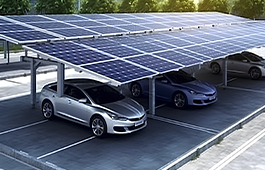
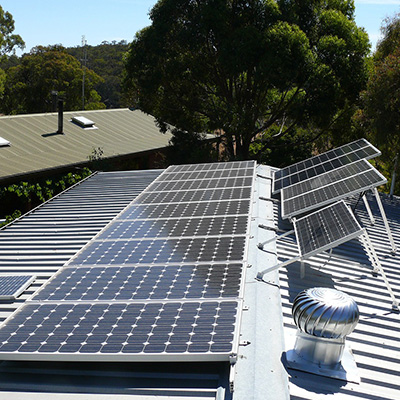
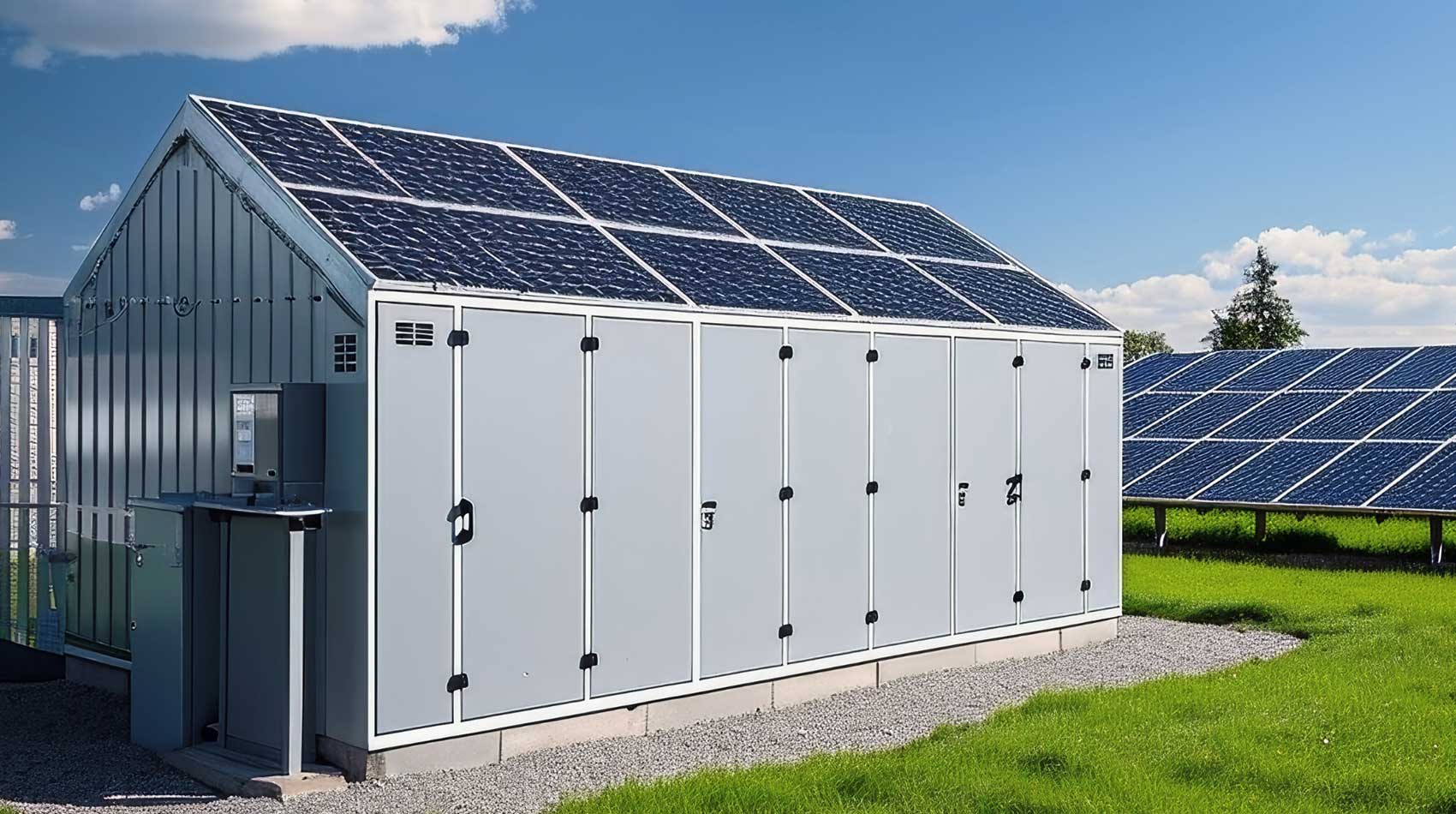
- Solar Array: Multiple panels are wired together to form an array, generating the voltage and current required for residential, commercial, or utility-scale power generation.

5. Key Components of a Complete Solar Power System
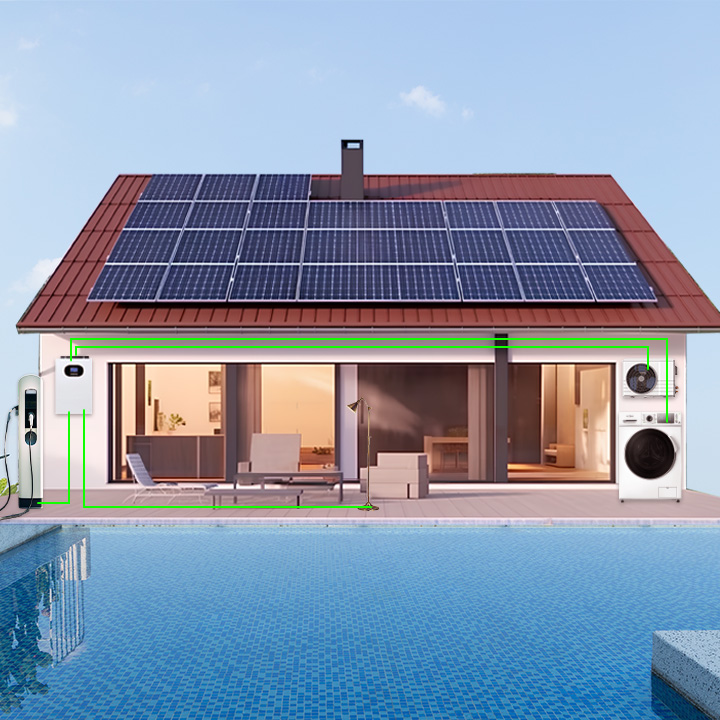
A rooftop solar array is part of a larger system:
- Inverter: The DC electricity generated by the panels must be converted into alternating current (AC), which is the standard used by home appliances and the power grid. This is the primary role of the inverter.
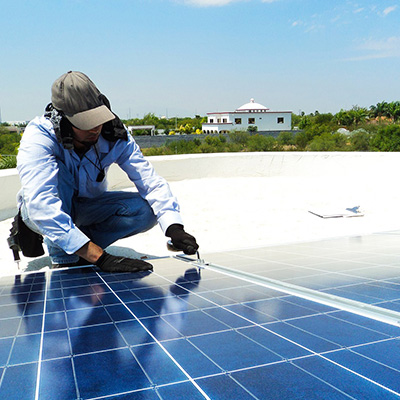
- Mounting and Racking: Secure structures that anchor the panels to a roof or the ground at an optimal angle to capture the most sunlight.
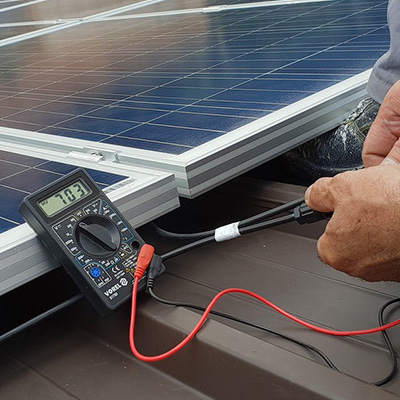
- Monitoring System: Digital systems that track the energy production of the entire array in real-time, allowing owners to monitor performance.
6. Factors Influencing Efficiency and Output
Not all sunlight is converted to electricity. Panel efficiency is affected by:
- Reflection: Some light bounces off the glass. Anti-reflective coatings minimize this loss.
- Wavelength: Photons with too little energy (like from infrared light) can’t free electrons, while those with too much energy (like ultraviolet) generate excess heat. Silicon’s bandgap determines which photons it can use effectively.
- Temperature: Solar cells become less efficient as they get hotter.
- Shading and Orientation: Even partial shading can significantly reduce output. Optimal orientation (south-facing in the Northern Hemisphere) and tilt maximize daily energy harvest.
Conclusion
Solar panels work by harnessing the photovoltaic effect in semiconductor materials, primarily silicon. Through the strategic engineering of P-N junctions, they transform the sun’s photons into a flow of electrons, generating clean, renewable DC electricity. While challenges like efficiency and energy storage persist, ongoing advancements in materials science—such as the development of perovskite solar cells and tandem junctions—promise a future where solar power is even more efficient and ubiquitous. Understanding this process demystifies the technology and highlights its critical role in building a sustainable energy future.