Introduction
In the global pursuit of clean and sustainable energy, solar panels have emerged as a leading and transformative technology. These devices, which directly convert sunlight into electricity, are pillars of the renewable energy revolution. From powering remote cabins to supplying entire cities, solar panels offer a versatile and increasingly economical solution to energy needs. This article provides a comprehensive overview of solar panels, explaining their operation, types, applications, and their pivotal role in shaping a sustainable future.
1. The Fundamental Principle: The Photovoltaic Effect
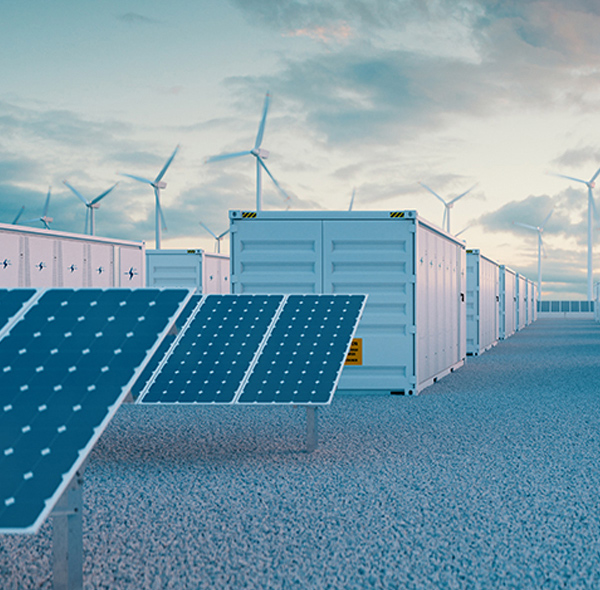
At the core of every solar panel is the photovoltaic (PV) effect. This process involves the generation of an electric current when certain materials are exposed to light. Most modern solar panels achieve this using semiconductor materials, with silicon being the most prevalent due to its optimal properties and abundance.
The key lies in creating a P-N junction within the semiconductor. This junction is formed by sandwiching two types of silicon:
- P-type silicon, doped with atoms like boron to create a surplus of positive charge carriers (holes).
- N-type silicon, doped with atoms like phosphorus to create a surplus of negative charge carriers (free electrons).
At the junction where these layers meet, an internal electric field is established.
2. From Sunlight to Electricity: The Step-by-Step Process
- Photon Absorption: Sunlight consists of energy particles called photons. When photons strike the solar cell, they transfer their energy to the semiconductor material.
- Electron Excitation: This energy knocks electrons loose from their atomic bonds in the silicon, creating mobile electron-hole pairs.
- Charge Separation: The internal electric field at the P-N junction acts as a diode, forcing the freed electrons to move toward the N-type layer and the holes toward the P-type layer. This separation of charges creates a voltage potential.
- Current Generation: When the cell’s electrical contacts are connected via an external circuit (e.g., to power a light bulb), the flow of these electrons from the N-side to the P-side creates a direct current (DC) of electricity.
3. Types of Solar Panel Technologies
Solar panels are primarily categorized by the type of silicon cells they use:
- Monocrystalline Solar Panels: Made from single-crystal silicon, these panels are the most efficient (typically 18-22%) and space-efficient, recognizable by their uniform dark color and rounded cell edges. They also have the longest lifespan but are usually the most expensive.
- Polycrystalline Solar Panels: Composed of fragments of silicon crystals melted together. They have a speckled blue appearance, are less efficient (15-17%) and less heat-tolerant than monocrystalline panels, but offer a better balance of cost and performance.
- Thin-Film Solar Panels: These are created by depositing one or more thin layers of photovoltaic material (like amorphous silicon, cadmium telluride, or CIGS) onto a substrate. They are lightweight, flexible, and perform better in low-light conditions, but have lower efficiencies (10-13%) and degrade faster than crystalline silicon panels. They are common in large-scale utility projects and building-integrated photovoltaics.
4. Key Components of a Solar Panel System
A functional solar power system consists of more than just the panels:
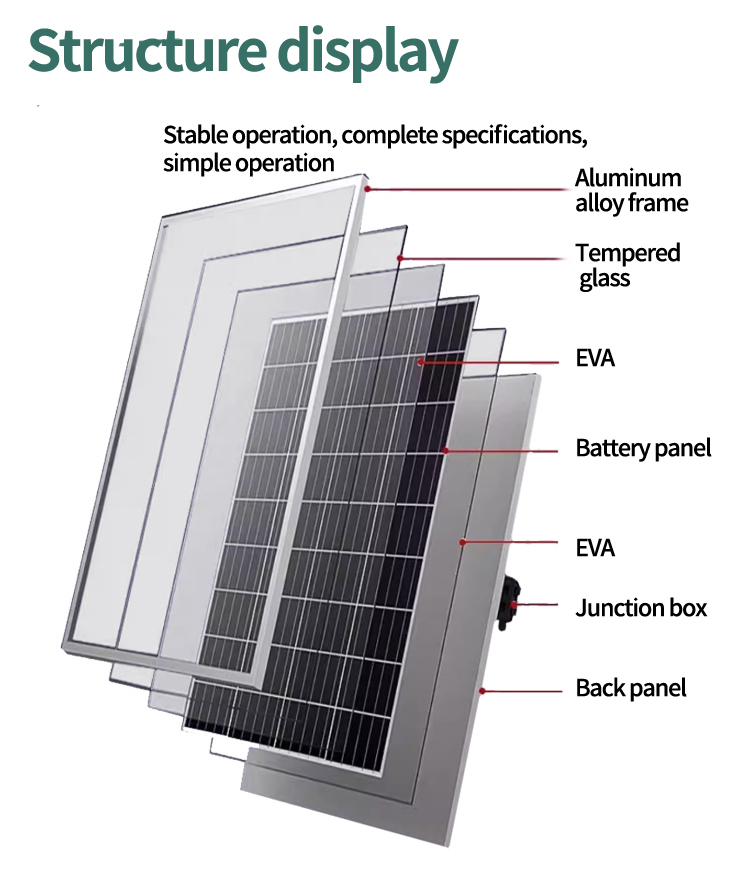
- Solar Panels (Modules): Multiple interconnected solar cells form a module, and modules are wired together into an array.
- Inverter: This is the critical brain of the system. It converts the DC electricity produced by the panels into AC electricity used by home appliances and the grid. Modern systems often use string inverters for the whole array or microinverters attached to each panel for optimized performance.
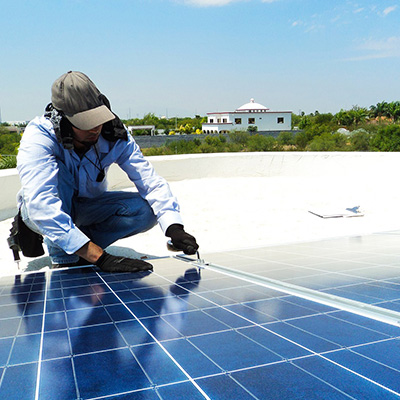
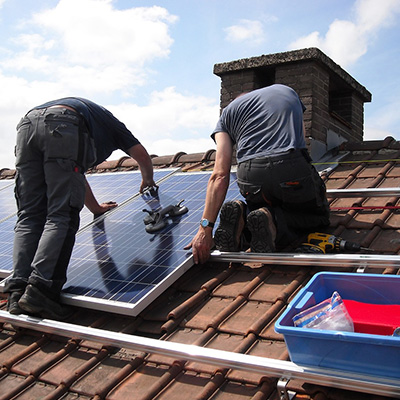
- Mounting System: Robust racking that securely attaches the panel array to rooftops or the ground at an optimal angle for maximum sun exposure.
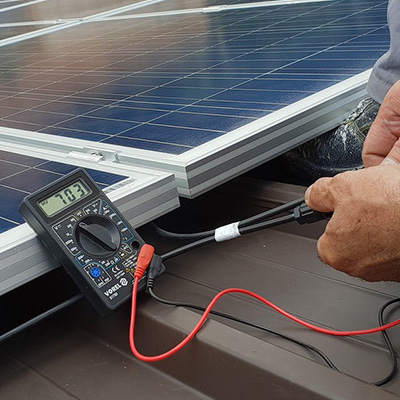
- Monitoring System: Digital platforms that provide real-time and historical data on energy production, system health, and efficiency.
5. Applications and Benefits
Solar panels are remarkably versatile:
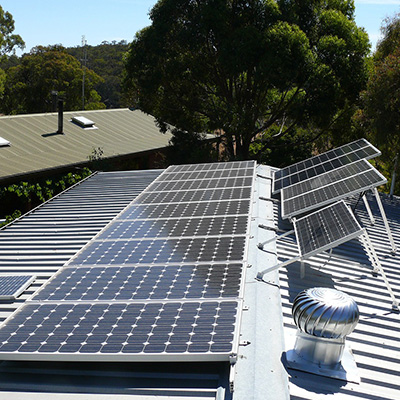
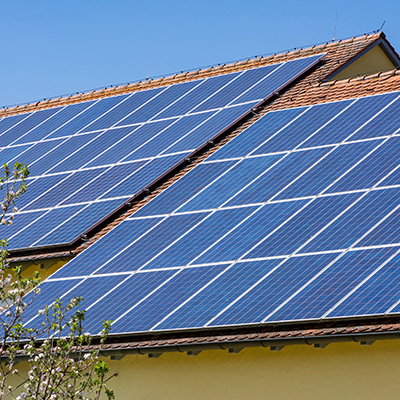
- Residential Rooftop Systems: Power homes, reduce electricity bills, and increase energy independence.
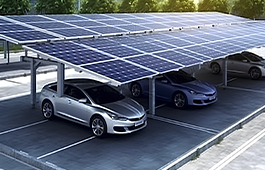
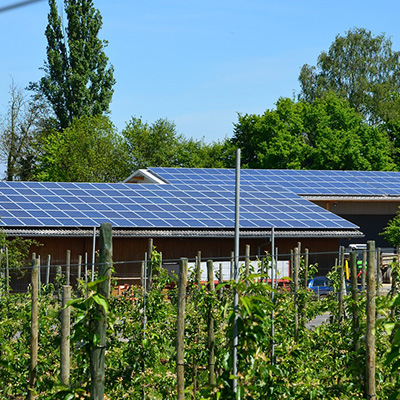
- Commercial and Industrial Buildings: Lower operational costs and demonstrate corporate sustainability commitments.
- Utility-Scale Solar Farms: Generate massive amounts of clean electricity for the grid.
- Off-Grid Power: Provide essential electricity for remote locations, telecommunications, water pumps, and portable devices.
The benefits are compelling:
- Clean, Renewable Energy: Produce electricity with zero greenhouse gas emissions during operation.
- Reduced Electricity Costs: Significantly lower or eliminate utility bills over the system’s 25-30+ year lifespan.
- Energy Independence: Decrease reliance on the traditional grid and fossil fuel volatility.
- Low Maintenance: Require minimal upkeep, primarily occasional cleaning.
6. Challenges and Considerations
Despite the advantages, several factors require careful consideration:
- Upfront Cost: Although prices have dropped dramatically, the initial investment for purchase and installation can be substantial (offset by long-term savings and incentives).
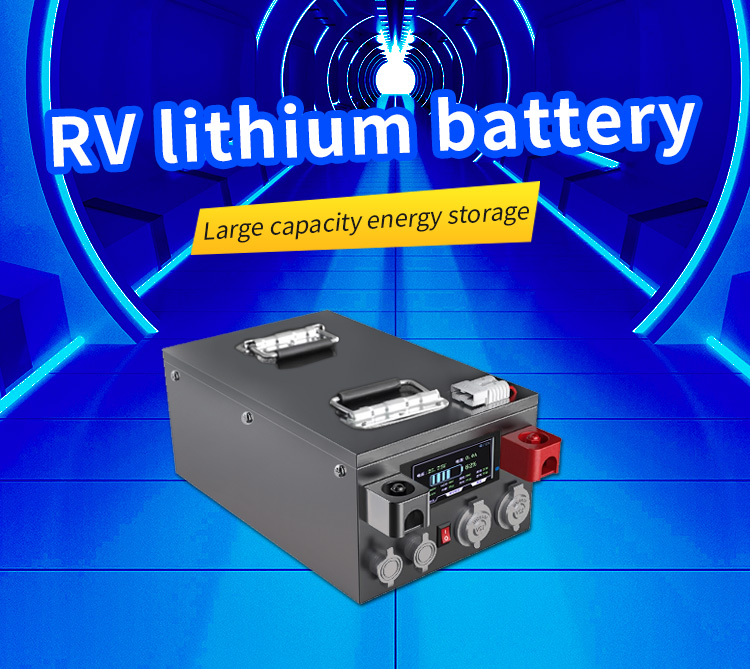
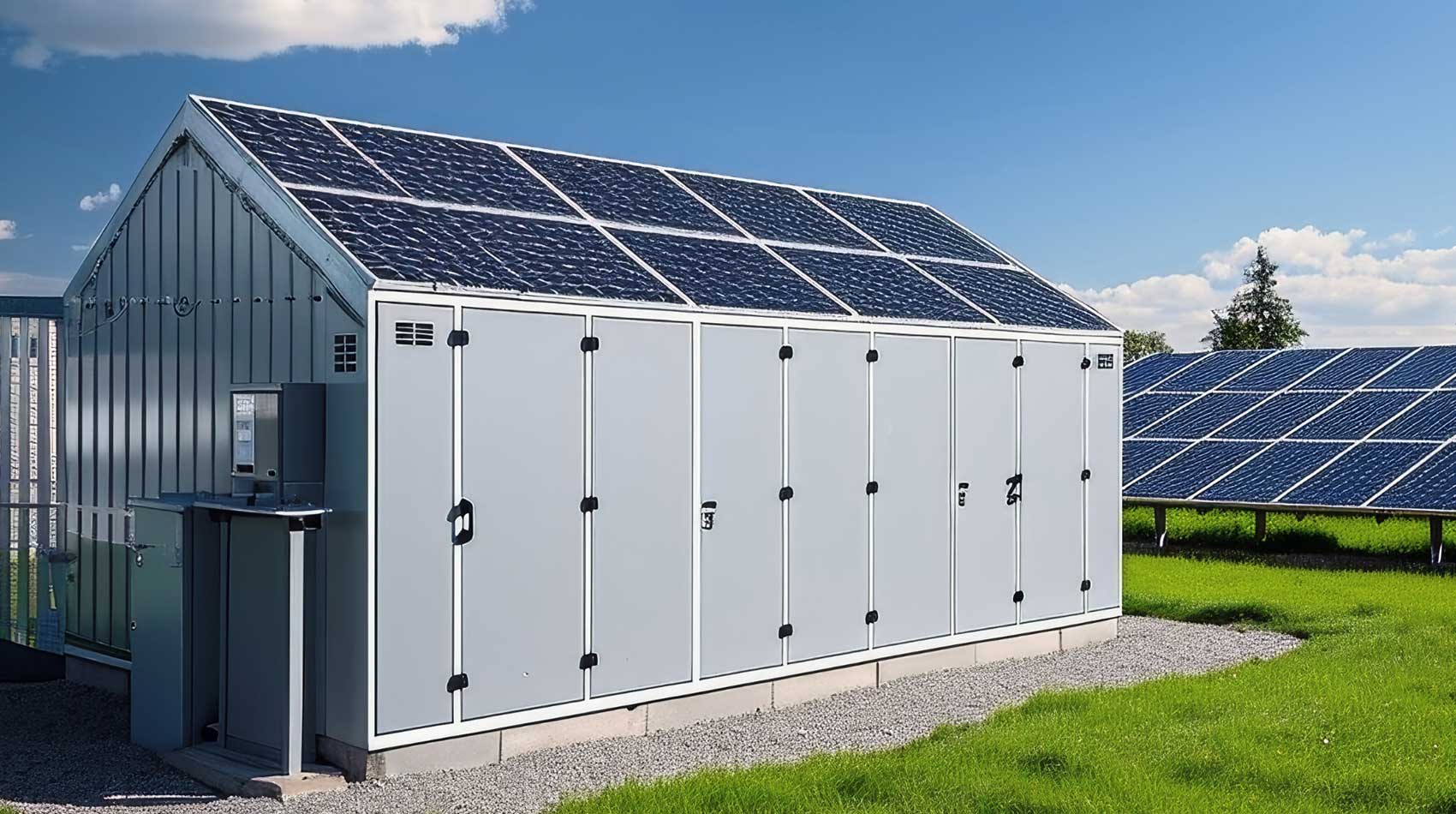
- Intermittency: Solar power generation depends on sunlight and stops at night, necessitating energy storage solutions (like batteries) or grid connection for continuous supply.
- Space Requirements: Achieving high energy output requires significant roof or land area.
- Efficiency Limitations: A portion of the sun’s energy is inevitably lost as heat or reflected light.
7. The Future of Solar Technology
Innovation continues to push the boundaries:
- Perovskite Solar Cells: A promising new material offering high efficiencies and low production costs, potentially used in tandem cells with silicon to achieve record-breaking efficiencies.
- Bifacial Panels: Capture sunlight from both sides, increasing energy yield by utilizing reflected light from the ground.
- Building-Integrated Photovoltaics (BIPV): Seamlessly integrating solar cells into building materials like windows, roof tiles, and facades.
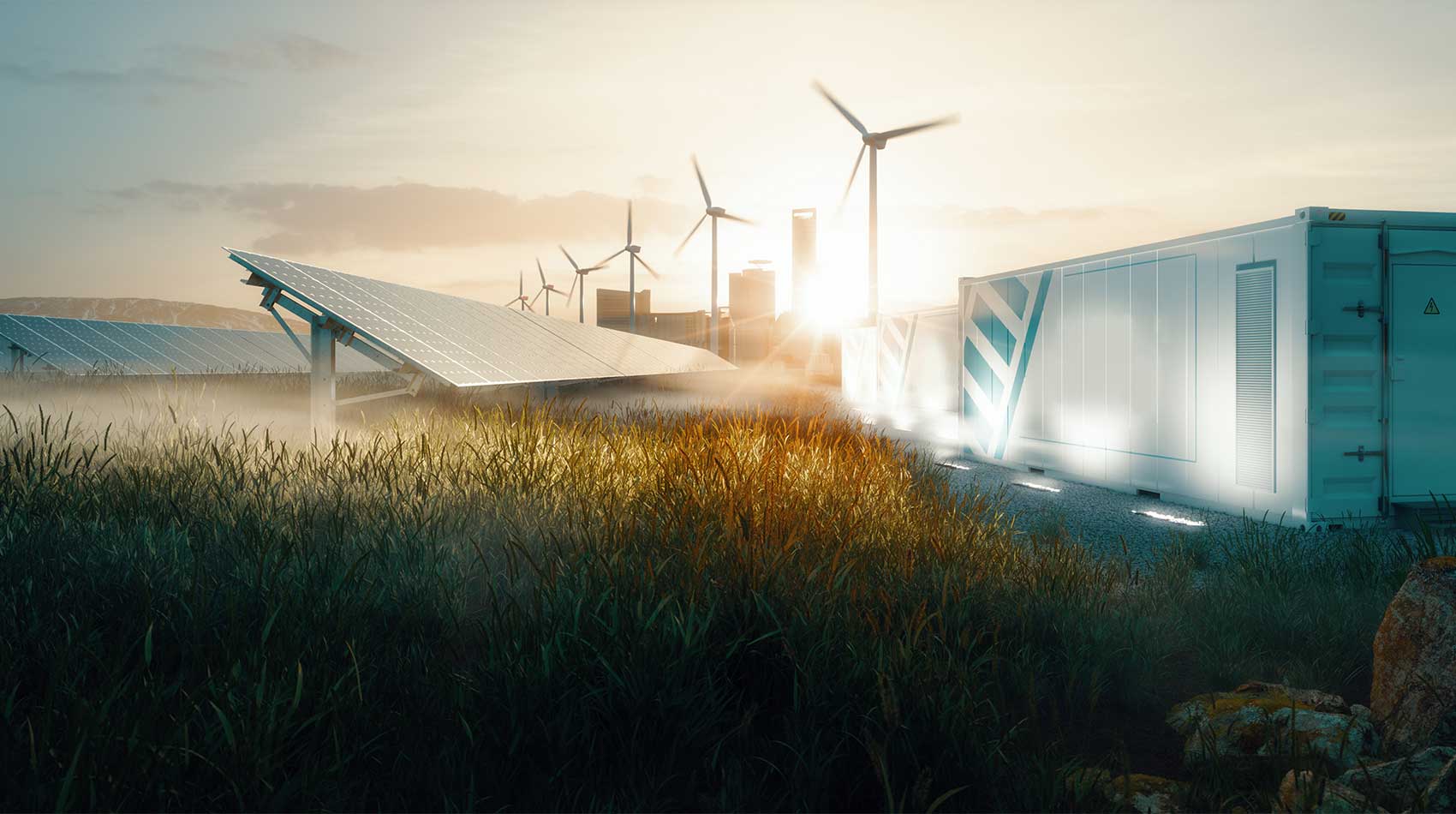
- Enhanced Storage Integration: Smart systems that combine solar generation with home battery storage and intelligent energy management for true self-sufficiency.
Conclusion
Solar panels represent a mature, reliable, and rapidly advancing technology that is central to the global energy transition. By understanding the photovoltaic effect, the different panel technologies, and the complete system components, consumers and businesses can make informed decisions to harness solar power. As efficiency improves and costs continue to fall, solar energy is poised to become an even more dominant and accessible source of clean electricity, illuminating the path toward a sustainable and resilient energy future for all.