Solar panels, the iconic technology of the renewable energy revolution, are transforming how we generate electricity. By converting abundant sunlight directly into clean power, they offer a tangible solution to both energy independence and environmental challenges. This article explores the technology behind solar panels, their diverse applications, and the key factors shaping their future.
1. Core Technology: From Sunlight to Electricity
At the heart of most solar panels are photovoltaic (PV) cells, typically made from semiconductor materials like silicon. When photons from sunlight strike these cells, they energize electrons, creating a flow of direct current (DC) electricity. An inverter then converts this DC into the alternating current (AC) used in our homes, businesses, and the power grid.
There are three primary types of solar panels, each with distinct characteristics:
- Monocrystalline Panels: Made from a single, pure silicon crystal, these panels are recognizable by their uniform dark color and rounded cell edges. They offer the highest efficiency rates (typically over 20%), meaning they generate more power per square meter. This makes them ideal for space-constrained areas like residential rooftops, though they come at a higher initial cost.
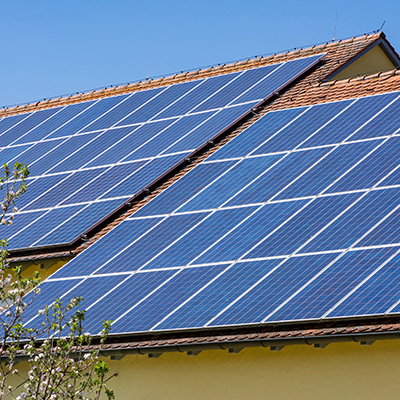
- Polycrystalline Panels: These have a blue, speckled appearance as they are made from fragments of silicon melted together. They are slightly less efficient (around 15-17%) but more affordable to produce, providing a cost-effective and reliable solution for many installations.
- Thin-Film Panels: Created by depositing thin layers of photovoltaic material (like cadmium telluride) onto a surface, these panels are lightweight and flexible. While they generally have lower efficiencies (10-13%), they perform better in high temperatures and diffuse light conditions. Their flexibility makes them suitable for large-scale utility projects and unique building-integrated applications.
2. Key Advantages: Why Solar Panels Are Gaining Ground
The global shift towards solar is driven by a powerful combination of benefits:
- Clean & Renewable Energy: Solar power generation produces zero greenhouse gas emissions during operation, making it a cornerstone technology for combating climate change and improving air quality.
- Economic Savings: Once installed, solar panels provide free fuel from the sun, drastically reducing or even eliminating electricity bills. Many regions offer net metering programs, allowing owners to sell excess power back to the grid.
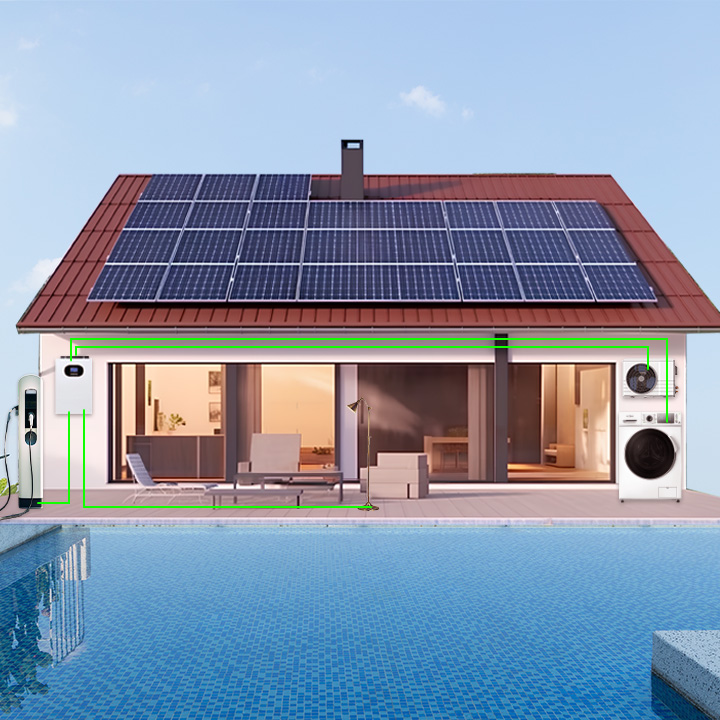
- Energy Independence: Solar panels reduce reliance on imported fossil fuels and centralized utility grids. When paired with battery storage, they can provide critical backup power during outages, enhancing resilience for homes, businesses, and communities.
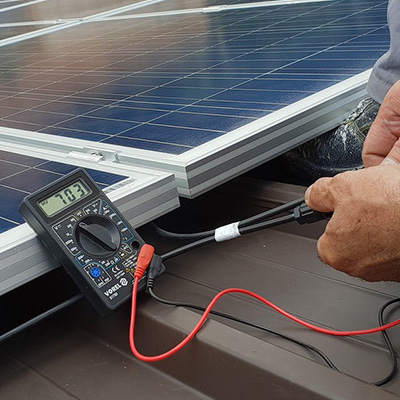
- Low Maintenance and Versatility: With no moving parts, PV systems require minimal maintenance. Their modular nature allows them to be scaled from small residential setups to massive solar farms, and they can be deployed in remote areas without existing grid infrastructure.
3. Diverse Applications: Powering Our World
Solar technology has moved far beyond traditional rooftop arrays:
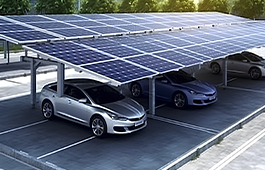
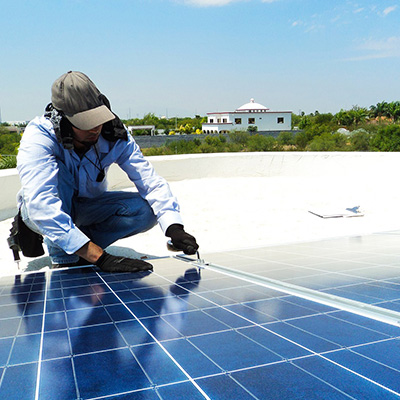
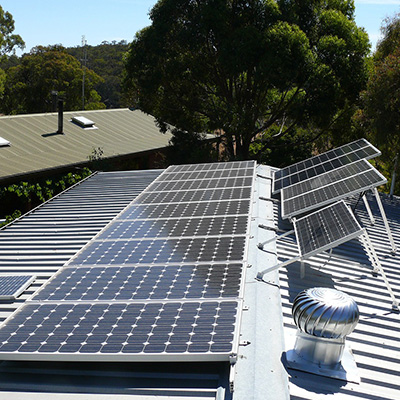
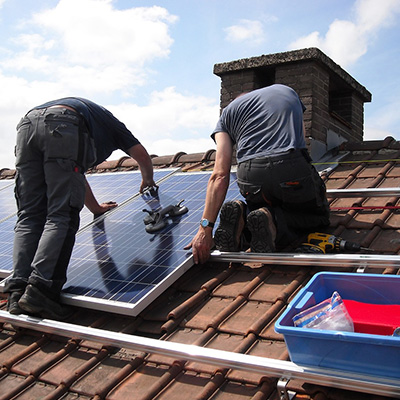
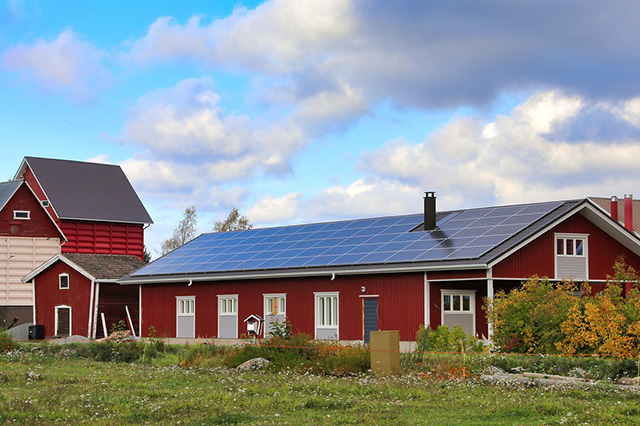
- Residential & Commercial Rooftops: This remains the most visible application, allowing property owners to generate their own power, reduce utility costs, and increase building value.
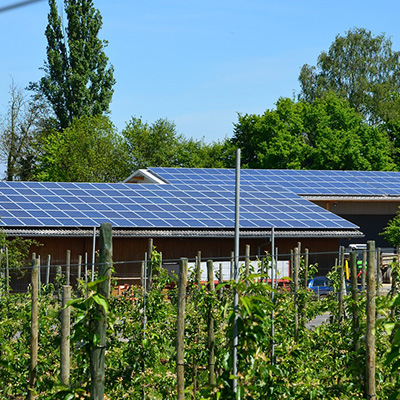
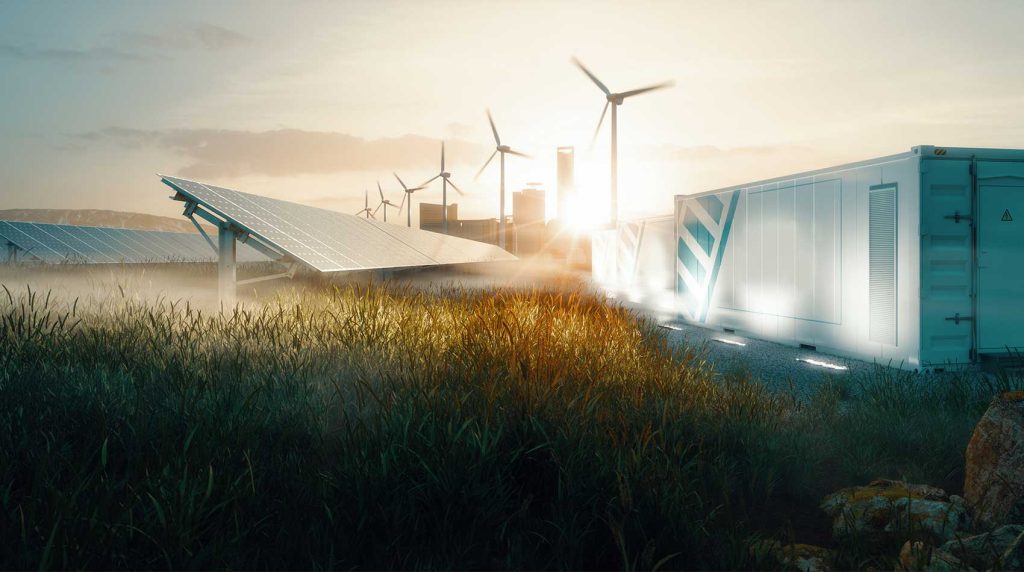
- Utility-Scale Solar Farms: Vast fields of solar panels, often using sun-tracking systems, generate massive amounts of electricity for the grid, competing directly with traditional power plants.
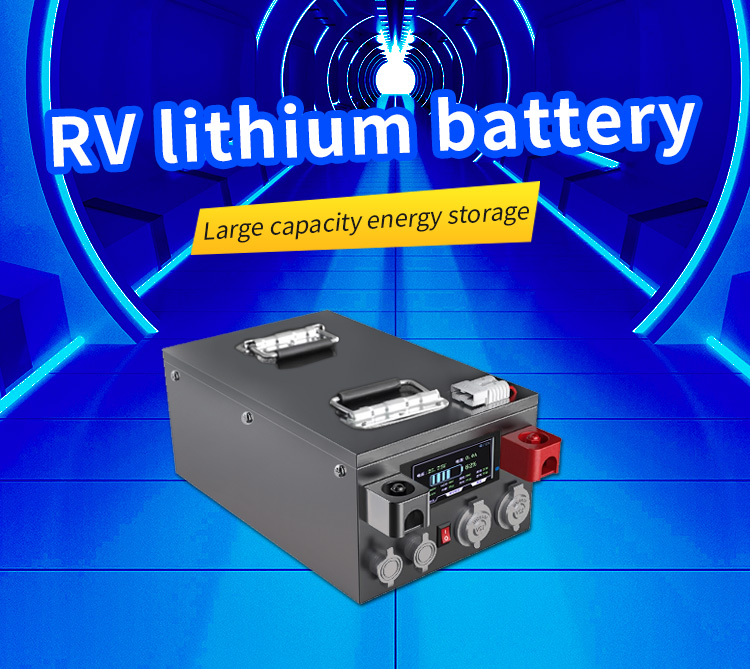
- Off-Grid Solutions: Solar is indispensable for providing power in remote locations, for telecommunications equipment, portable chargers, and recreational vehicles.
- Building-Integrated Photovoltaics (BIPV): Solar technology is being seamlessly incorporated into building materials like roof shingles, facades, and windows, turning entire structures into power generators without compromising aesthetics.
4. The Path Forward: Innovation and Smart Integration
The future of solar is focused on higher efficiency, smarter systems, and broader integration. Research into next-generation materials like perovskites promises dramatically higher efficiencies. The integration of artificial intelligence (AI) and the Internet of Things (IoT) is enabling smarter energy management, optimizing power generation and consumption in real-time.
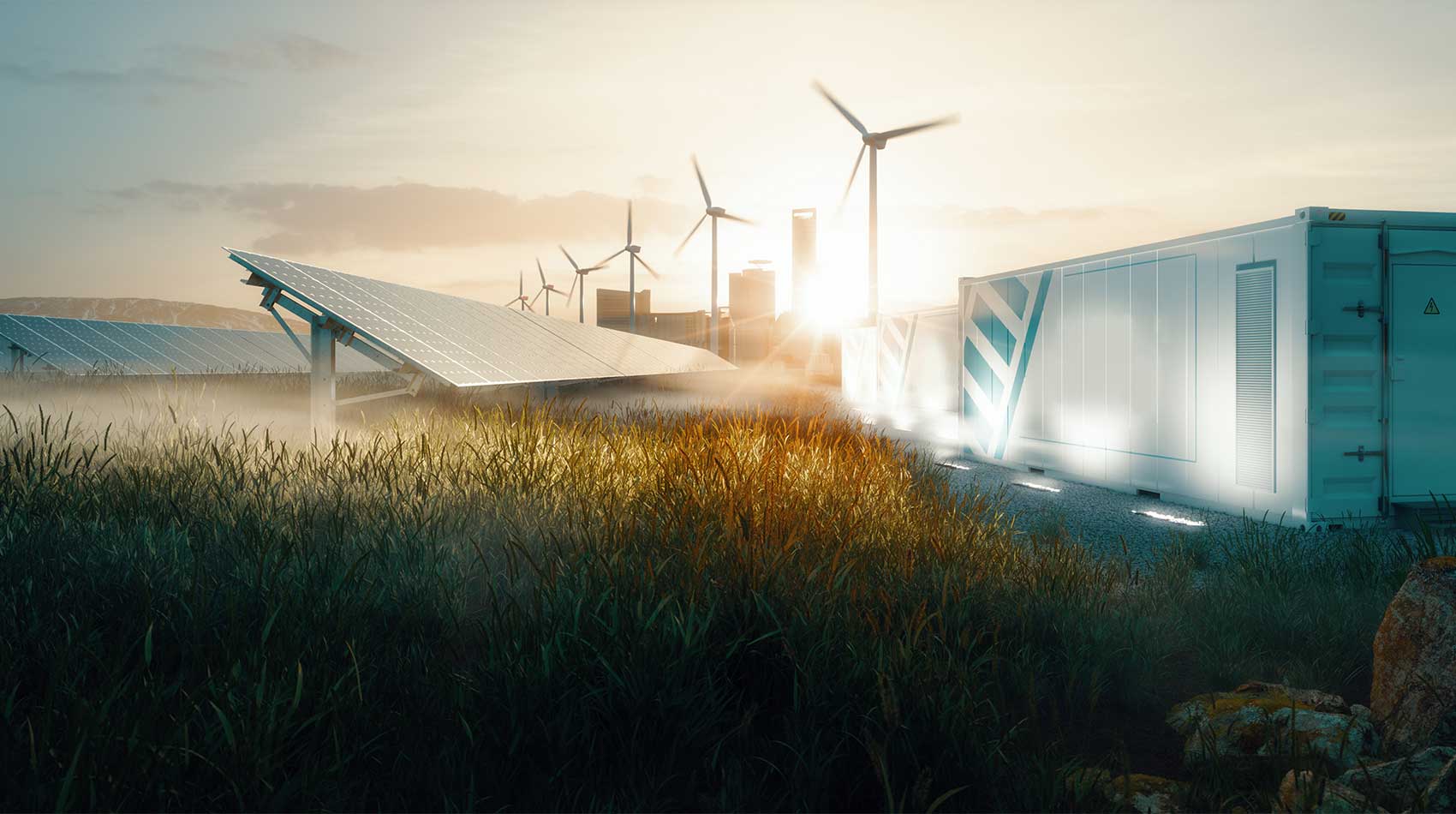
Most significantly, solar panels are becoming the core component of integrated energy systems. When combined with energy storage systems (ESS), they solve the challenge of intermittency, storing excess daytime energy for use at night or during peak demand. This “solar-plus-storage” model is key to building reliable, resilient, and fully renewable-powered microgrids for communities, businesses, and even entire regions.
Conclusion
Solar panels are driving a fundamental shift to a decentralized and resilient clean energy model. With advancing technology, declining costs, and deeper grid integration, solar is poised to play a dominant role in powering a sustainable future.From individual homes to global infrastructure, they offer a powerful and practical pathway to energy security and environmental stewardship.