Solar panels, the iconic symbols of the clean energy revolution, are more than just rooftop fixtures. They are sophisticated devices that directly convert abundant sunlight into usable electricity, offering a practical and powerful pathway toward energy independence and environmental sustainability. Their growing popularity worldwide is a testament to their evolving technology, economic benefits, and versatile applications.
From Sunlight to Electricity: The Photovoltaic Heart
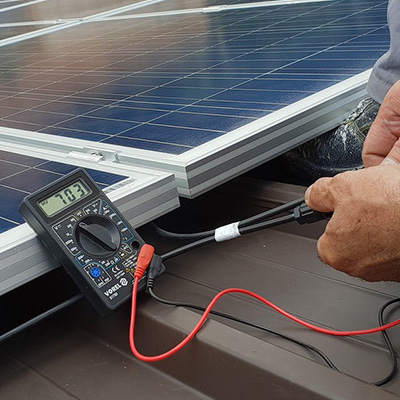
At the core of every solar panel are photovoltaic (PV) cells, typically made from silicon. These cells operate on a principle known as the photovoltaic effect. When particles of light (photons) from the sun strike the semiconductor material in a PV cell, they dislodge electrons, creating a flow of direct current (DC) electricity. An inverter then converts this DC electricity into the alternating current (AC) that powers our homes, businesses, and the grid. This process happens silently, without any moving parts, emissions, or fuel consumption.
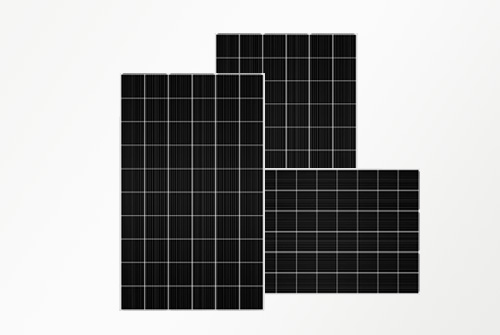
A Spectrum of Technologies for Diverse Needs
Not all solar panels are created equal, and technology choice depends on priorities like efficiency, cost, and space.
- Monocrystalline Silicon Panels: Made from a single silicon crystal, these high-efficiency panels (over 20%) are space-efficient and durable, but cost more. They are recognizable by their uniform dark color.
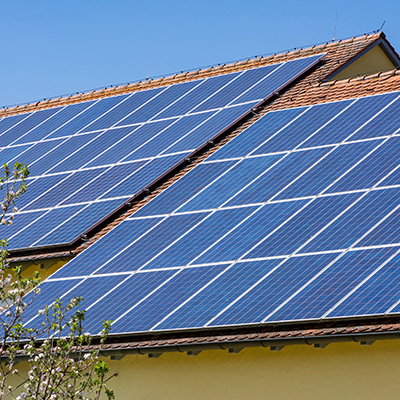
- Polycrystalline Silicon Panels: Made from melted silicon fragments, these blue-speckled panels offer good efficiency (15-17%) at a lower cost, making them a common, cost-effective choice.
- Thin-Film Solar Panels: Created by layering PV material onto a surface, these lightweight, flexible panels have lower efficiency (10-13%) but perform better in heat and low light. They are suited for large-scale projects and unique applications.
Key Applications Powering Our World
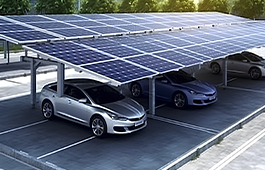
Solar panels have moved far beyond residential rooftops, integrating into the fabric of modern infrastructure.
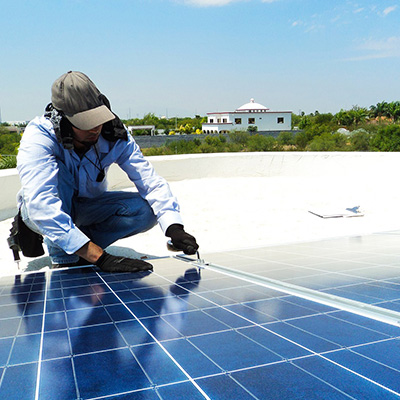
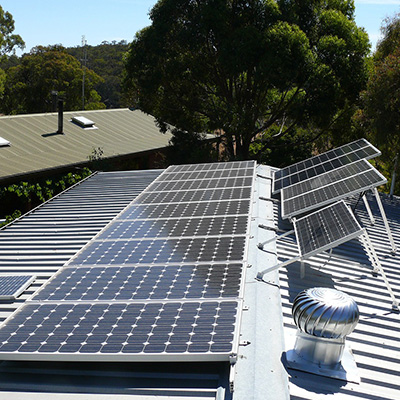
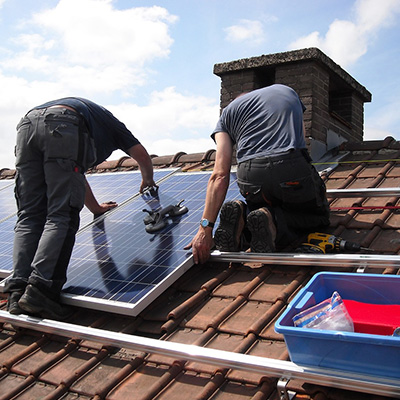
- Residential & Commercial Rooftops: Rooftop solar lets property owners generate power, cut energy bills, and boost property value.
- Utility-Scale Solar Farms: Large solar farms feed significant electricity into the grid, rivaling traditional power plants.
- Off-Grid and Portable Power: Solar provides essential electricity for remote areas, equipment, and mobile uses, enabling energy independence.
- Building-Integrated Photovoltaics (BIPV): BIPV integrates solar cells directly into building materials, transforming structures into power sources.
The Horizon: Innovation and Integration
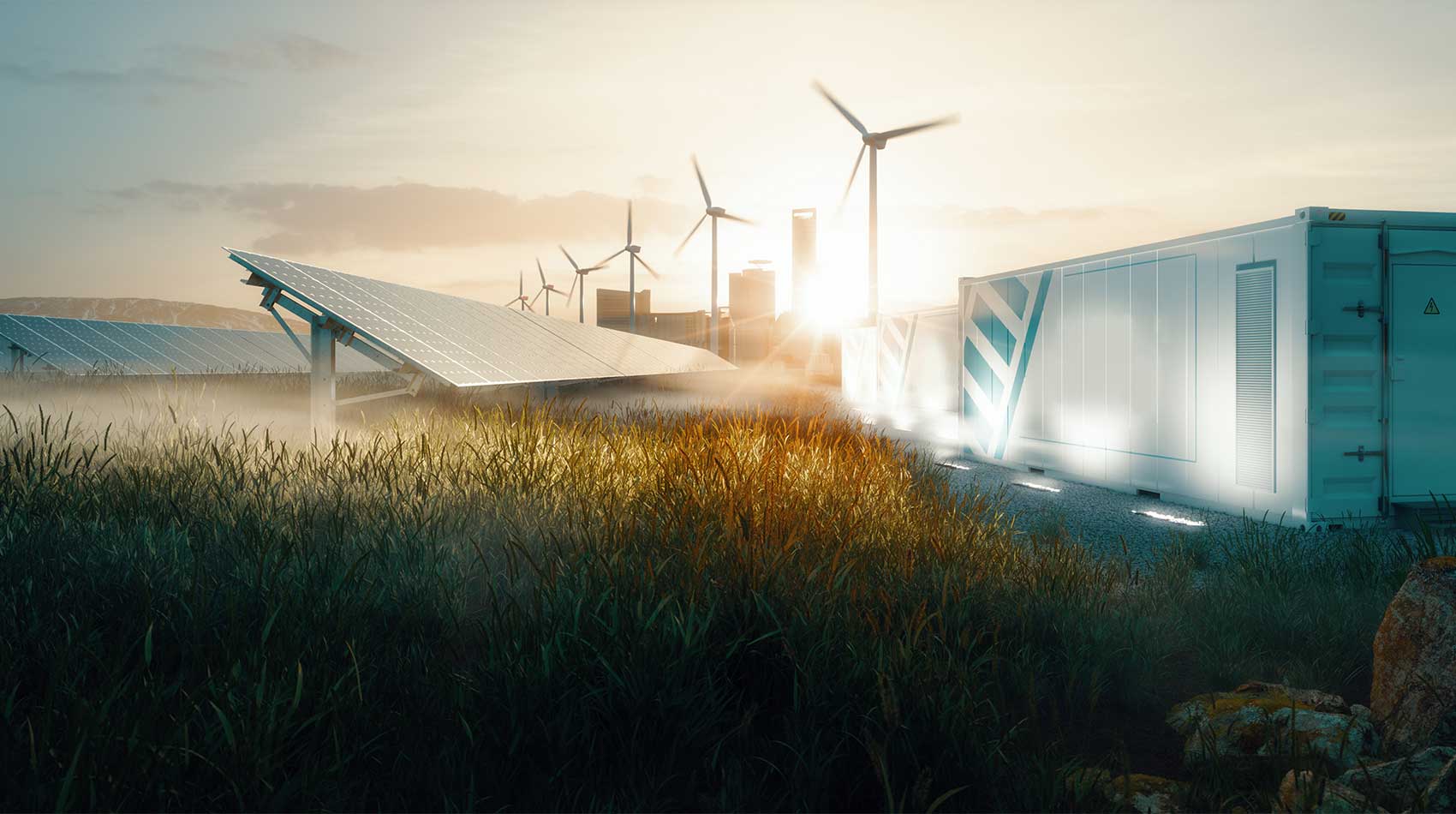
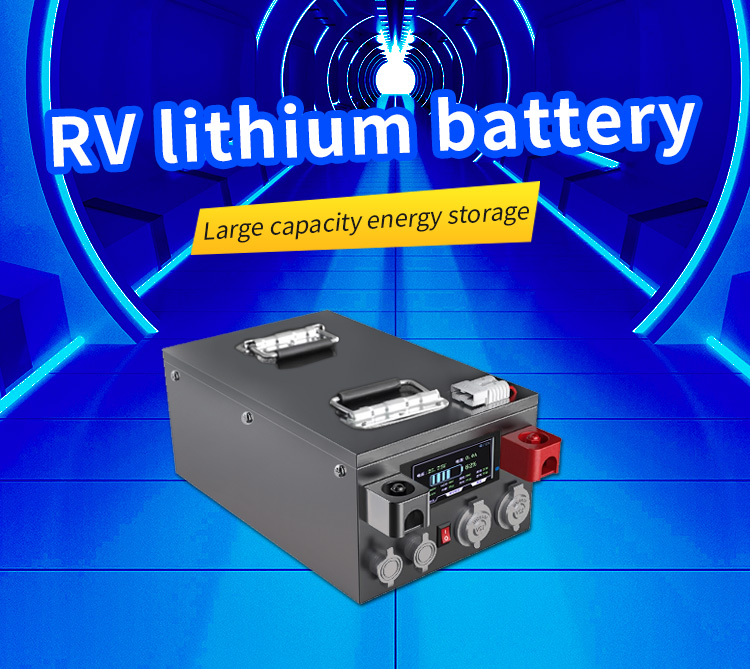
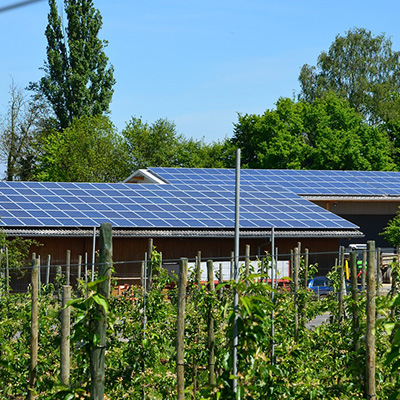
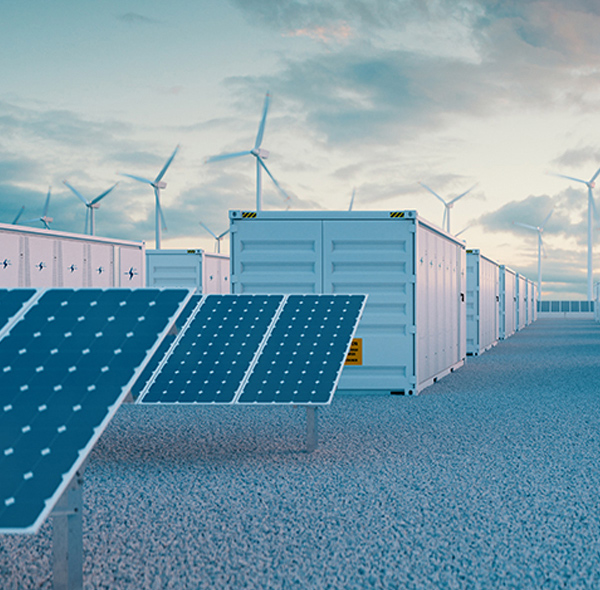
The future of solar is bright, driven by relentless innovation. Researchers are pushing the boundaries of perovskite solar cells, which promise high efficiencies with lower production costs. The integration of solar with energy storage systems (batteries) is crucial, enabling power use at night and stabilizing the grid. Furthermore, the concept of “agrivoltaics”—using land for both solar farming and agriculture—showcases how solar can synergize with other critical human needs.
In essence, solar panels are a transformative technology. They democratize energy production, mitigate climate change by displacing fossil fuels, and represent a foundational pillar of a resilient, decentralized, and clean energy system for the 21st century.