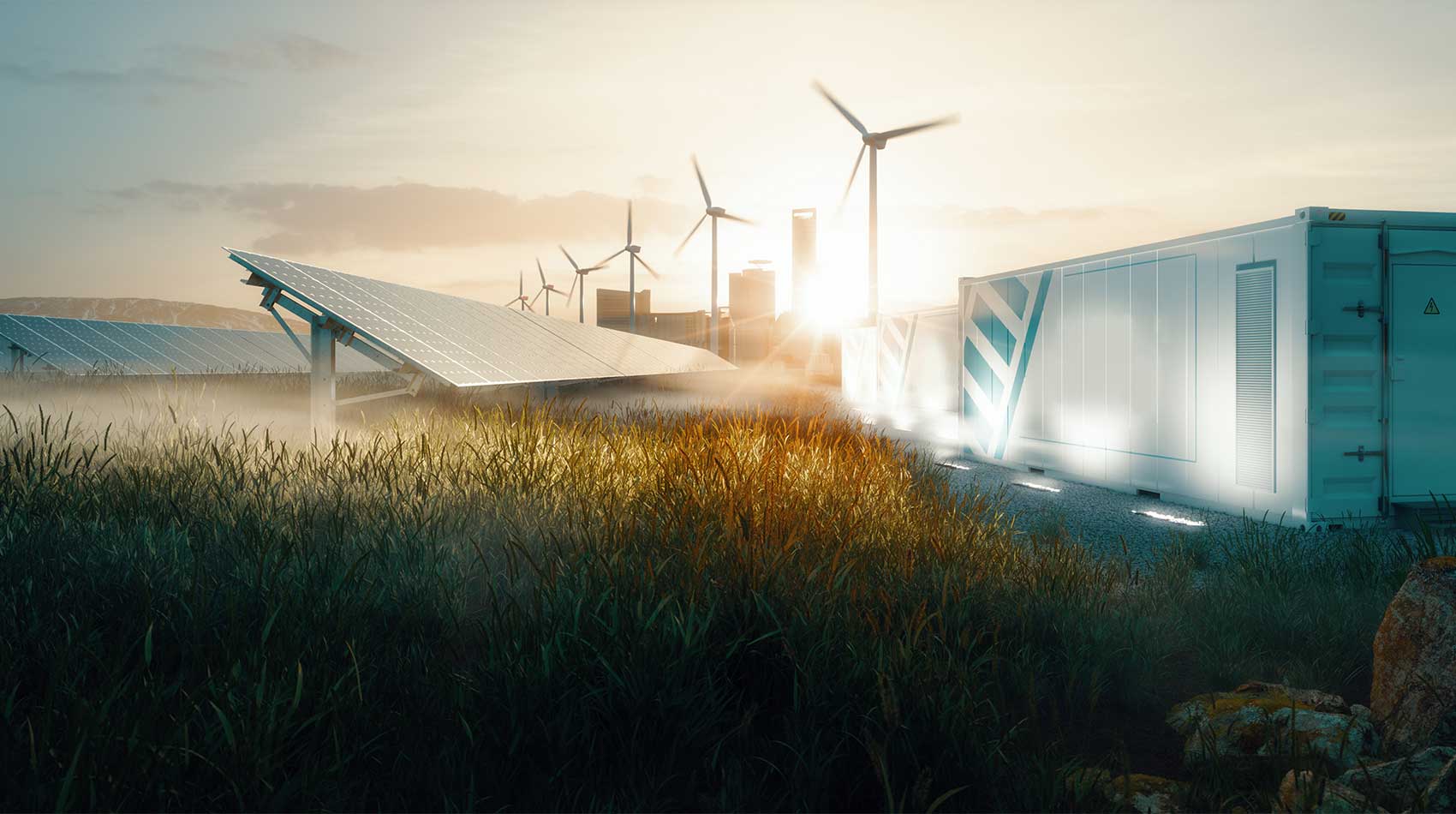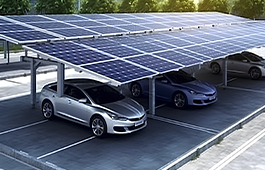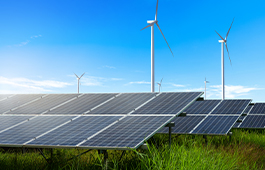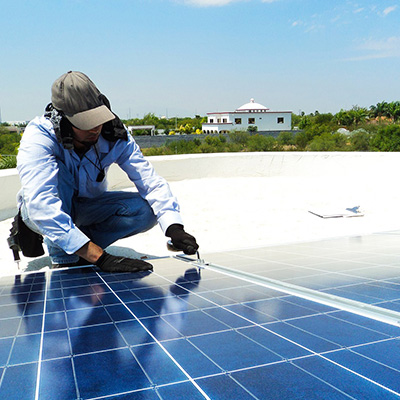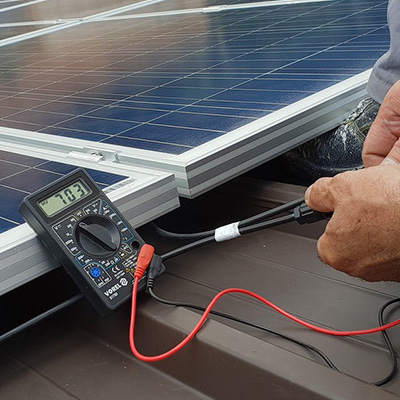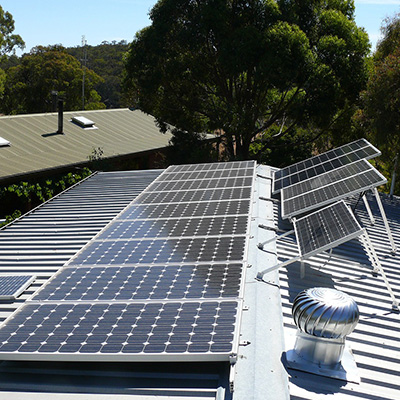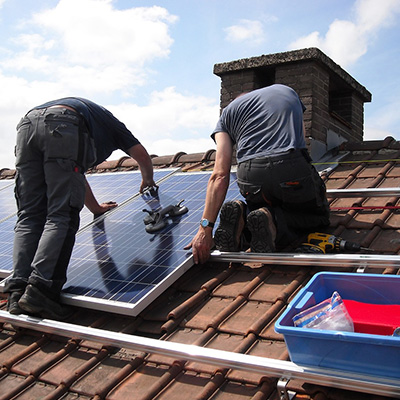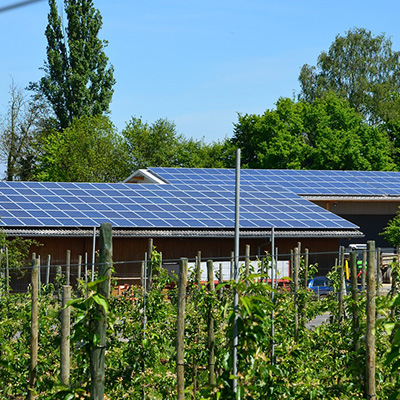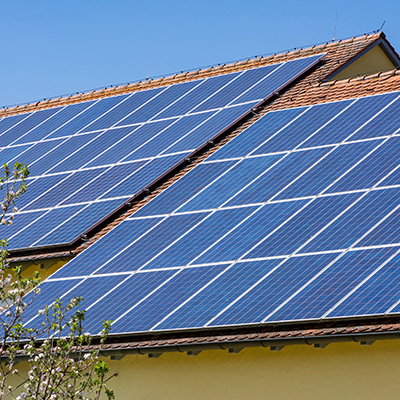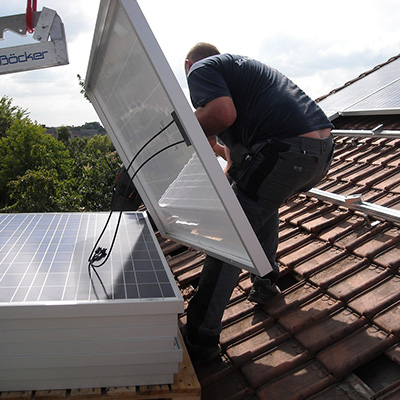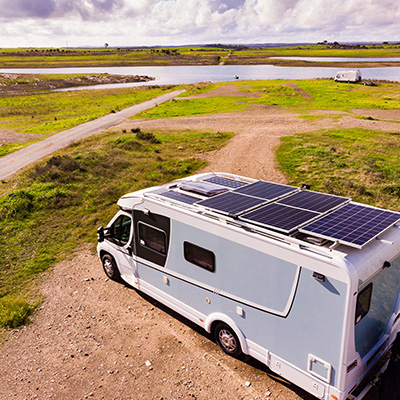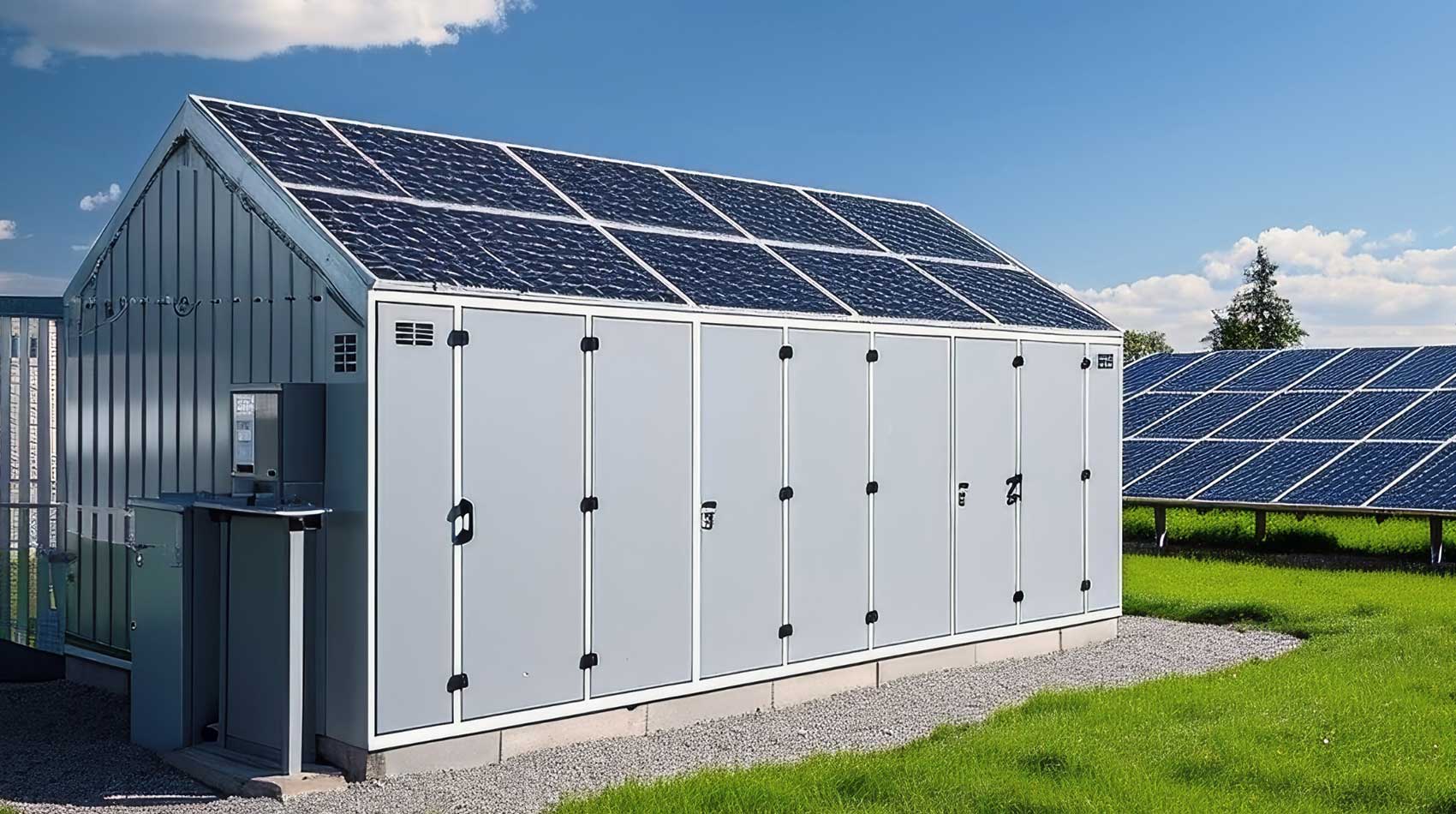
Solar panels (photovoltaic or PV modules) are the cornerstone of modern renewable energy systems, acting as the essential generator that harvests sunlight. However, their true potential is unlocked only when paired with energy storage. This combination forms a complete solution that addresses solar power’s inherent intermittency—generating electricity only when the sun shines—by making it available on demand. This article explores the critical functions of solar panels within energy storage ecosystems, from powering homes to stabilizing grids.
1. The Foundational Role: Energy Generation for Storage
At its core, the role of the solar panel is to convert sunlight into direct current (DC) electricity. In a system with storage, this electricity flows along two primary paths:
- Immediate Consumption: A portion directly powers household appliances or feeds into the building’s electrical circuits.
- Charging Storage: The surplus energy not immediately used is diverted to charge the connected energy storage device. This process is fundamental, as it “fills the tank” for later use.
Without solar panels providing this initial, clean energy input, a storage system would simply be an empty battery, reliant on the grid for charging. They are the primary source that enables energy independence.
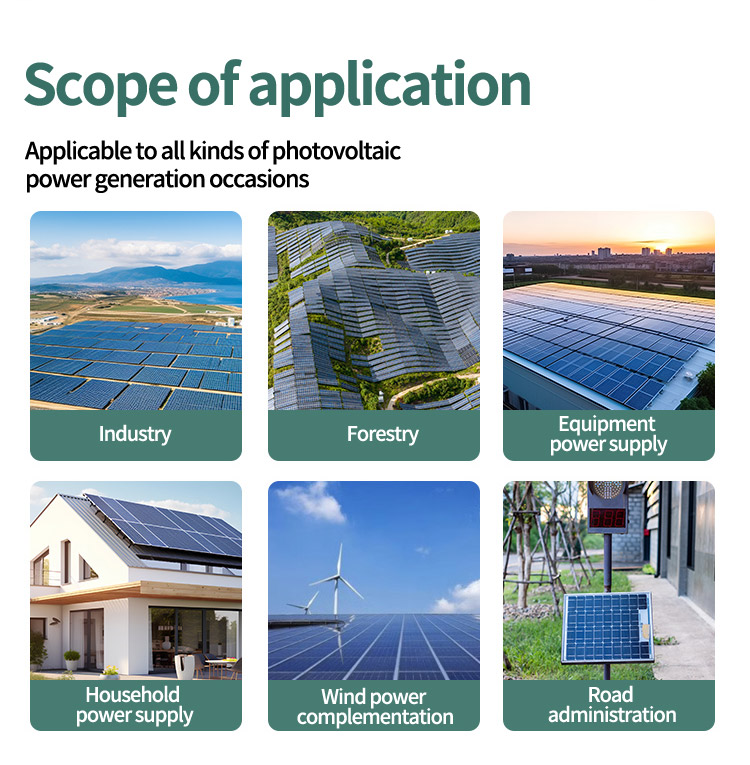
2. System Architectures: From Homes to Grids
Solar panels integrate with storage differently depending on the scale and purpose.
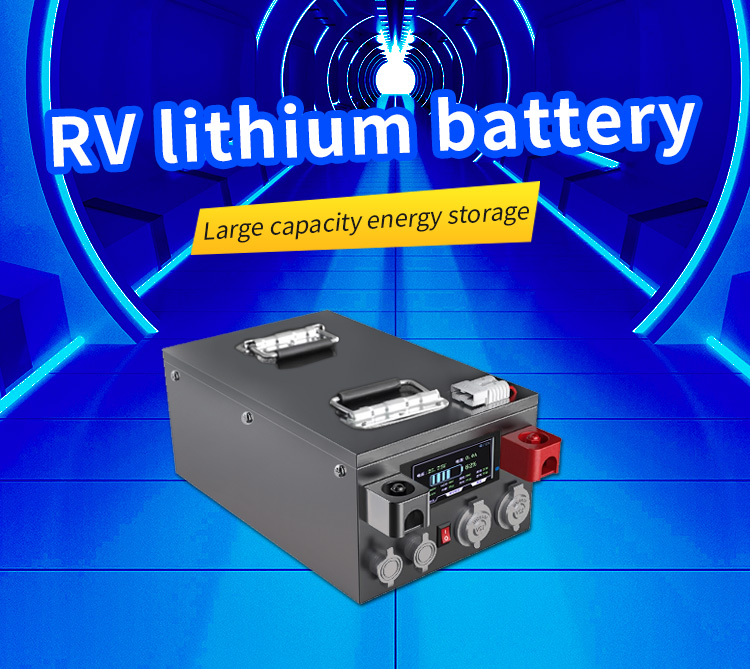
- Residential & Commercial Systems: Here, solar panels are typically connected to a hybrid inverter and a battery bank (often lithium-ion). The hybrid inverter is the system’s brain, intelligently managing energy flow—sending solar power to the home, charging batteries with excess, and drawing from batteries when solar production is low or during a power outage. This setup provides backup power and maximizes self-consumption of solar energy.
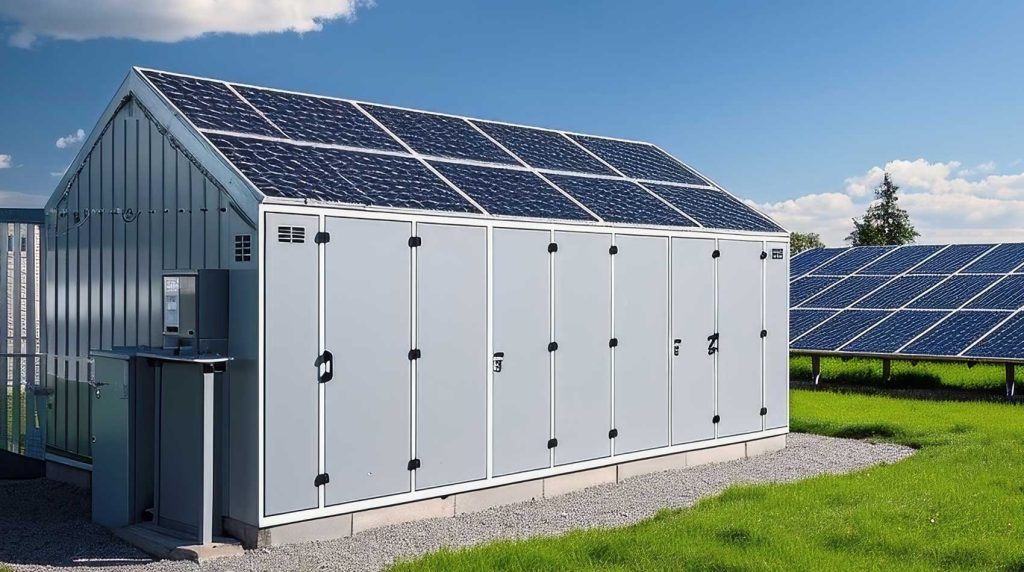
- Utility-Scale & Off-Grid Systems: For larger installations like solar farms or remote microgrids, the architecture expands. It consists of a PV array, an energy storage system (like a large battery bank), a bi-directional inverter, and a central Energy Management System (EMS). The EMS coordinates the entire operation, deciding when to store solar energy and when to dispatch it to the grid based on demand, price signals, or grid stability needs.
3. Key Benefits Enabled by the Solar-Storage Pairing
Integrating storage transforms solar panels from a variable power source into a reliable one, delivering concrete advantages:
- Energy Resilience and Independence: Stored solar energy provides critical backup power during grid outages, keeping essential appliances running. It also reduces dependence on the utility grid, giving homeowners and businesses greater control over their energy use.
- Maximized Self-Consumption and Savings: Storage allows users to save surplus solar energy generated during the day for use at night or during peak tariff periods when electricity from the grid is most expensive. This significantly reduces electricity bills.
- Grid Support and Stability: At a large scale, solar-plus-storage plants can smooth out the natural fluctuations in solar generation. They can store energy when production is high and release it when demand peaks, performing a “peak shaving” function that alleviates stress on the grid and defers costly infrastructure upgrades.
4. Technology Configurations and Storage Options
The efficiency of the solar-to-storage pathway depends on the technology choices. A key configuration decision is between DC-coupled and AC-coupled systems, with DC-coupled systems often being more efficient for new installations as they minimize energy conversion losses.
Solar energy can be stored using various technologies, each suited to different scales:
| Technology | Best For | Key Characteristics |
|---|---|---|
| Lithium-ion Batteries | Homes, businesses, EVs | High energy density, long cycle life, low maintenance. LiFePO4 is a safe, long-lasting subtype. |
| Flow Batteries | Commercial/Utility storage | Long-duration storage, scalable power & capacity separately. |
| Pumped Hydro | Large-scale grid storage | Massive capacity, long-duration, but requires specific geography. |
| Thermal Storage | Industrial/Utility scale | Stores solar energy as heat (e.g., in molten salts) for later power generation. |
5. Challenges and Future Outlook
Despite its promise, the solar-storage pathway faces hurdles. High initial investment cost remains a primary barrier to widespread adoption. Additionally, the complexity of managing these integrated systems requires sophisticated energy management software and can pose operational challenges.
The future is bright, driven by continuous innovation. Trends include the development of more efficient and flexible perovskite solar cells and the proliferation of DC-powered “energy harvesting” systems for the Internet of Things (IoT), where tiny solar panels paired with micro-supercapacitors or batteries power sensors and devices indefinitely without wires.
In conclusion, solar panels are far more than simple electricity generators. They are the indispensable source that fuels the entire energy storage value chain. By capturing and converting sunlight, they provide the raw energy that storage systems bank for the future, enabling resilience, savings, and a more stable, clean energy grid. The synergy between solar generation and energy storage is fundamental to building a sustainable and reliable energy future.