For years, we’ve been told that solar panels are a one‑time investment that pays off over decades. So it might come as a surprise to learn that some homeowners, businesses, and even utilities are removing perfectly functional solar panels — sometimes long before the typical 25‑ to 30‑year lifespan is up.
The reasons are rarely what solar skeptics imagine. Panels don’t suddenly stop working. Instead, a combination of economic incentives, technical mismatches, regulatory changes, and simple homeowner decisions are driving a small but growing trend of early solar removals. Understanding why people get rid of their solar panels reveals a lot about how the solar industry is evolving — and what buyers should watch out for.
1. They’re Roof Replacements, Not Panel Failures
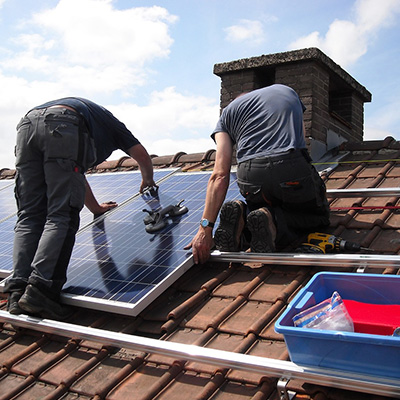
The single most common reason solar panels come off is roof work. Asphalt shingle roofs typically last 15 to 25 years. If solar panels were installed on a roof that was already 10 years old, those panels may need to come off when the roof reaches the end of its life — often before the panels themselves have degraded significantly.
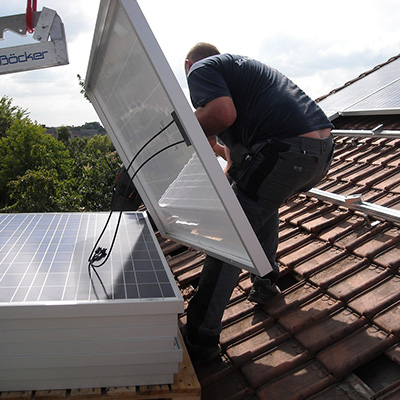
In these cases, people aren’t “getting rid of” the panels because the panels are bad. They’re removing them temporarily, replacing the roof, and then reinstalling the same panels. However, the labor cost for removal and reinstallation can run $2,000 to $8,000, depending on system size. Some owners decide that paying for reinstallation of older (but still working) panels isn’t worth it compared to installing a new, more efficient system — especially if the panels are already 10‑15 years old.
2. Outdated Technology: The Efficiency Gap
Solar technology has improved dramatically. A panel from 2010 might have had 12‑14% efficiency. Today’s mainstream panels are 20‑22% efficient, and premium models reach 23‑24%. That means a modern panel produces roughly 60‑80% more power from the same roof space.
For homeowners with limited roof area, older panels may no longer meet their energy needs. As families add electric vehicles, heat pumps, or simply consume more electricity, a decade‑old system might only cover 50‑60% of their usage. Rather than adding a few new panels that may not match aesthetically or electrically, some owners choose to remove the old system entirely and install a fresh, high‑capacity array.
This is not unlike upgrading a smartphone or a car — the old one still works, but the new one works so much better that keeping the old one feels like leaving money on the table.
3. The End of Net Metering and Rate Changes
Solar economics are heavily influenced by local utility policies, especially net metering. Early solar adopters in places like California, Hawaii, and New York benefited from generous retail‑rate net metering — they received full credit for every kilowatt‑hour they sent to the grid.
As solar penetration grew, utilities successfully lobbied to reduce or eliminate these benefits. In California, the transition from NEM 2.0 to NEM 3.0 (Net Energy Metering) slashed the export credit for new systems by roughly 75%. While existing systems are often grandfathered in for 20 years, not every owner benefits from the same protection — especially if they bought a home with an existing system but the grandfathering terms didn’t fully transfer, or if the policy changed before they took ownership.
In some cases, the financial equation flips: a system that once saved $200 per month might now save only $50. While the panels still work, the economic justification for keeping them (or for repairing a minor issue) becomes weaker. Some owners choose to remove the system and rely on grid power, or invest in batteries to time‑shift their consumption instead of exporting low‑value power.
4. Leased Panels: Buying Your Way Out of a Bad Deal
Solar leases and Power Purchase Agreements (PPAs) were heavily marketed in the 2010s, often with $0‑down promises. These contracts typically run 20‑25 years and include an automatic escalator (e.g., 2.9% annual increase in the rate you pay for solar power).
Fast‑forward to the 2020s. Grid electricity prices in some regions have remained flat or even fallen due to cheap natural gas and renewables. Meanwhile, lease payments that started at $100/month may now be $160‑180/month. For some homeowners, leasing solar has become more expensive than buying grid power.
Trying to sell a home with a solar lease can be particularly problematic. Potential buyers often balk at taking over a contract with 10‑15 years remaining, especially if the lease payments are uncompetitive. Some sellers opt to pay the lease’s early termination penalty — sometimes thousands of dollars — and have the panels removed entirely just to make the house easier to sell.
5. Selling a Home: Buyer Preferences and Appraisal Issues
Even for owned (not leased) systems, selling a home can be complicated by solar panels. Most buyers see owned panels as a plus — lower utility bills. But a minority view them as an eyesore, a potential maintenance headache, or a roof leak risk.
More seriously, appraisers don’t always add full value for solar systems. While Fannie Mae’s “green underwriting” guidelines encourage appraisers to value solar, many still struggle to quantify the benefit. An owner who spent $25,000 on solar five years ago might find that their home appraises only $5,000‑10,000 higher because of it — or, in some cases, not at all.
If a seller is already on the fence — perhaps because the system is older, the roof is due for replacement, or the inverter has just failed — they may decide to remove the panels rather than negotiate with buyers who see the system as a liability rather than an asset.
6. Inverter Failure Mistaken for Panel Failure
Many homeowners don’t understand the difference between panels and inverters. String inverters typically last 10‑15 years — much less than panels. When a 12‑year‑old inverter fails, the whole array stops producing power. A homeowner who sees a “system not working” message might assume the panels are dead.
Quoting a 10‑ to 12‑year‑old inverter replacement at $2,000‑4,000 (including labor) might lead someone to say, “Why spend $4,000 fixing an old system when I could just take it down and buy a new one?” If they’ve already been considering a roof replacement or efficiency upgrade, that decision becomes even easier.
7. Hail, Storm, or Fire Damage
While solar panels are tested to withstand hail up to 1 inch in diameter (and in many cases 1.5‑2 inches), extreme weather events can cause damage. Hail the size of golf balls or larger can crack glass, break cells, or puncture backsheets.
After a hailstorm, some homeowners file insurance claims. If the damage is extensive — say, 15 out of 20 panels cracked — the insurance payout might cover removal and replacement with a new system. In that scenario, the old panels truly are “gotten rid of,” but only because they were physically destroyed by an extreme event, not because they failed from age or use.
8. Nuisance Decommissioning: Birds, Rodents, and Leaks
A less common but real issue: solar panels can create access points for pests. Pigeons, squirrels, and rodents love the warm, sheltered space under rooftop arrays. Their nests, droppings, and gnawed wires can cause persistent problems.
Remediation — installing critter guard mesh, cleaning out debris, repairing chewed wiring — can cost $1,000‑3,000. Some homeowners, especially those not deeply committed to solar or planning to sell, decide that removal ($2,000‑5,000) is worth the permanent solution. Similarly, a roof leak traced back to a poorly flashed panel mount can prompt removal, though this is more a reflection of bad installation than of solar technology itself.
How Common Is Early Removal?
It’s important to keep this in perspective. The vast majority of installed solar systems remain on roofs until they are truly end‑of‑life (or until a roof replacement forces temporary removal). Studies by organizations like the Lawrence Berkeley National Laboratory show that solar panel removal before 20 years is relatively rare — on the order of 0.5‑1% of systems per year.
Most of those early removals fall into the categories above: roof replacements, home sales with incompatible leased systems, or extreme weather damage. True “I’m tired of solar” removals driven purely by discontent are a minuscule fraction.
What This Means for Solar Buyers
If you’re considering solar, these stories aren’t reasons to avoid it — they’re lessons on what to do right:
- Own, don’t lease. Leases often look attractive upfront but can become burdensome. Owning your system gives you the full financial benefit and avoids resale complications.
- Replace your roof first. If your roof is more than 10‑15 years old, replace it before installing solar. The cost of removing and reinstalling panels for roof work later will likely outweigh the cost of an earlier roof replacement.
- Monitor your inverter. Understand that inverters (especially string inverters) will likely need replacement once during the life of your panels. Budget for it.
- Check your net metering terms. Before signing, understand whether your net metering rate is grandfathered, for how long, and what happens if you sell the home.
- Use a quality installer. Poorly flashed mounts cause leaks; sloppy wiring invites rodents. A good installation prevents most non‑degradation problems.
Conclusion: Not Really “Getting Rid” — Mostly Moving On
When you hear that people are getting rid of their solar panels, the reality is almost never “the panels failed and ended up in a landfill.” More often, the panels are still working perfectly. They’re being removed because a roof needs replacement, because an inefficient lease has run its course, because a homeowner wants a higher‑output system, or because a home sale made the removal economically sensible.
Solar panels remain one of the most durable, reliable energy assets you can own. But like any long‑term investment — a roof, a furnace, a car — they do require context and planning. The handful of people removing their panels early aren’t a sign that solar is a bad idea. They’re a sign that the industry is still maturing, that contracts signed a decade ago don’t always hold up to today’s economics, and that smart owners pay as much attention to their roof and inverter as they do to the panels themselves.
If you’re thinking about solar, the lesson is simple: do it right the first time, own your equipment, and you won’t be one of the people looking to get rid of your panels before they’ve done their job.